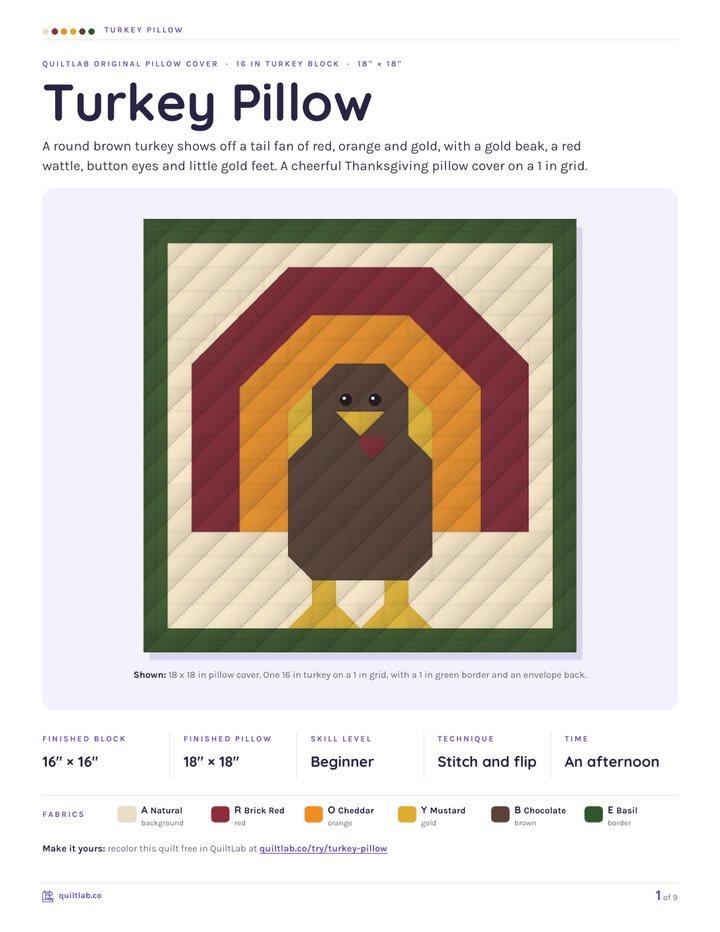
Turkey Pillow
Quilt patternBeginner · 18″ × 18″ pillow
The cotton-polyester blend batting combines the best qualities of both fibers into one versatile product. Typically made with 80% cotton and 20% polyester, this blend delivers the breathability and traditional drape of cotton while gaining the resilience and reduced shrinkage of polyester. It is one of the most popular choices for quilters who want a middle-ground option.
Blend batting quilts beautifully on both home sewing machines and longarm machines. The cotton content grips your fabric layers while the polyester adds just enough loft to keep the quilt from feeling completely flat. Shrinkage is minimal compared to pure cotton, so you get a subtle crinkle without dramatic size changes.
All-purpose quilting — an excellent default choice for quilters who want a balance of drape, loft, warmth, and manageable shrinkage
The go-to blend batting for many quilters. Smooth, consistent, and available in multiple loft weights.
Premium blend with cotton feel and polyester stability. Excellent for longarm quilting.
The Warm Company blend: 80% cotton and 20% polyester needle-punched into a cotton scrim.
Some of these links are affiliate links: QuiltLab may earn a commission if you buy through them, at no extra cost to you.
Blend batting typically allows 6-8 inches between quilting lines, splitting the difference between cotton and polyester requirements. The polyester content helps stabilize the cotton fibers, meaning less quilting is needed to keep everything in place. This makes blend batting efficient for both dense quilting and more open designs.
Machine wash warm or cold and tumble dry on low. Expect minimal shrinkage on the first wash — far less dramatic than pure cotton. The quilt will develop a gentle texture without significant size change. Regular washing is fine; the polyester content adds durability.
Blend batting is the safest recommendation for beginners — it is forgiving and works well for any project.
If you want crinkle but are nervous about shrinkage, a blend gives you a taste of both.
Under white or pastel fabrics, choose a bleached or white batting (such as Warm & White) so natural fiber flecks do not show through.
Blend batting is a great choice for T-shirt quilts since it provides some loft without excessive shrinkage on stretchy fabric.
Printable PDF patterns with cutting charts and diagrams, free to download.
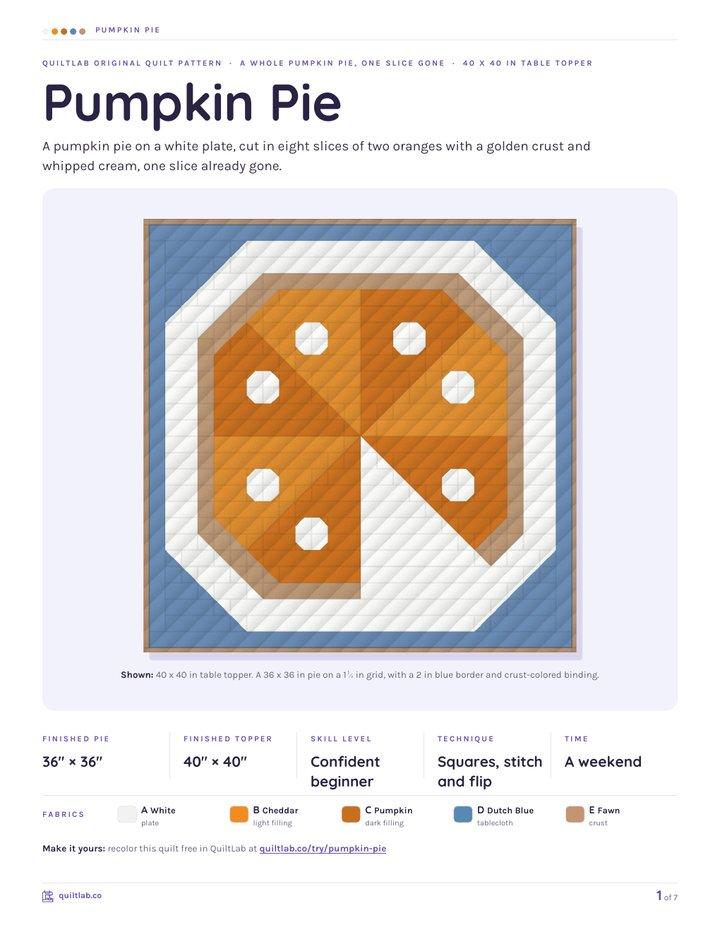
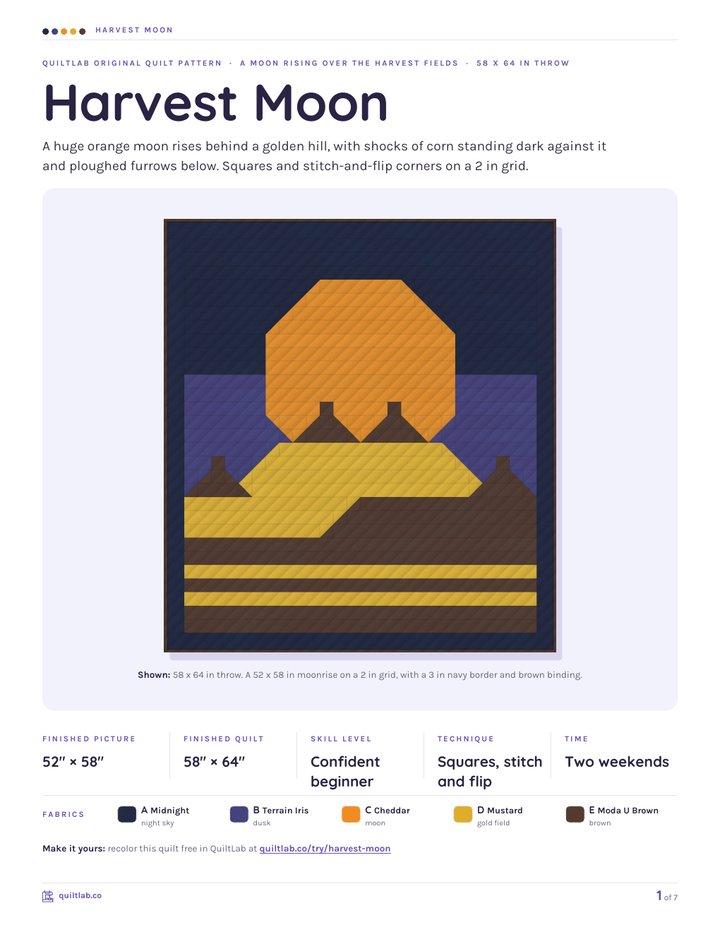
Lay out blocks and try colors in QuiltLab's grid editor before you cut. Still choosing? The batting selector matches batting to your project and budget.
Free forever, no card needed.
QuiltLab updates, tips and quilting inspiration. Unsubscribe anytime.
Comments