


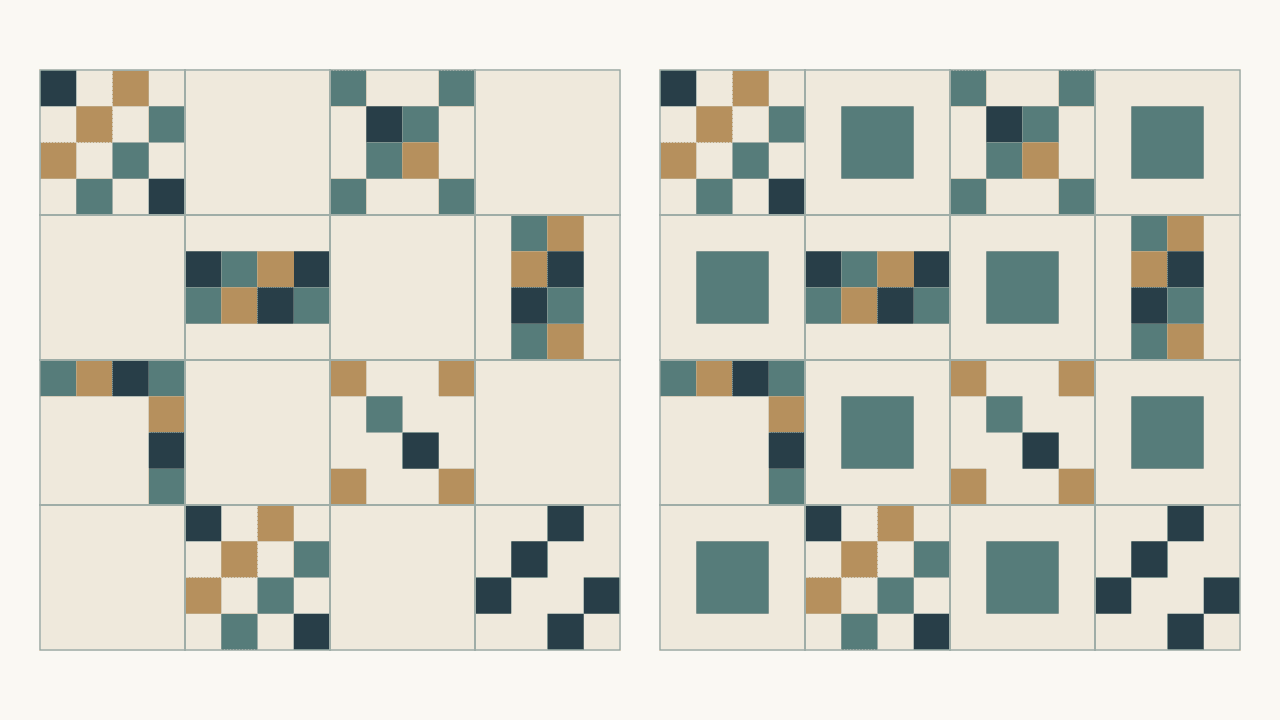
Alternate Blocks for Sampler Quilts: Plain or Pieced?
Plain alternate blocks give a busy sampler room to breathe; a simple repeated block adds rhythm. See how each changes your block count and quilt size.
QuiltLab Team
Design TipsTutorial
Discover quilting tips, tutorials, and inspiration from our community of quilters
Plain alternate blocks give a busy sampler room to breathe; a simple repeated block adds rhythm. See how each changes your block count and quilt size.
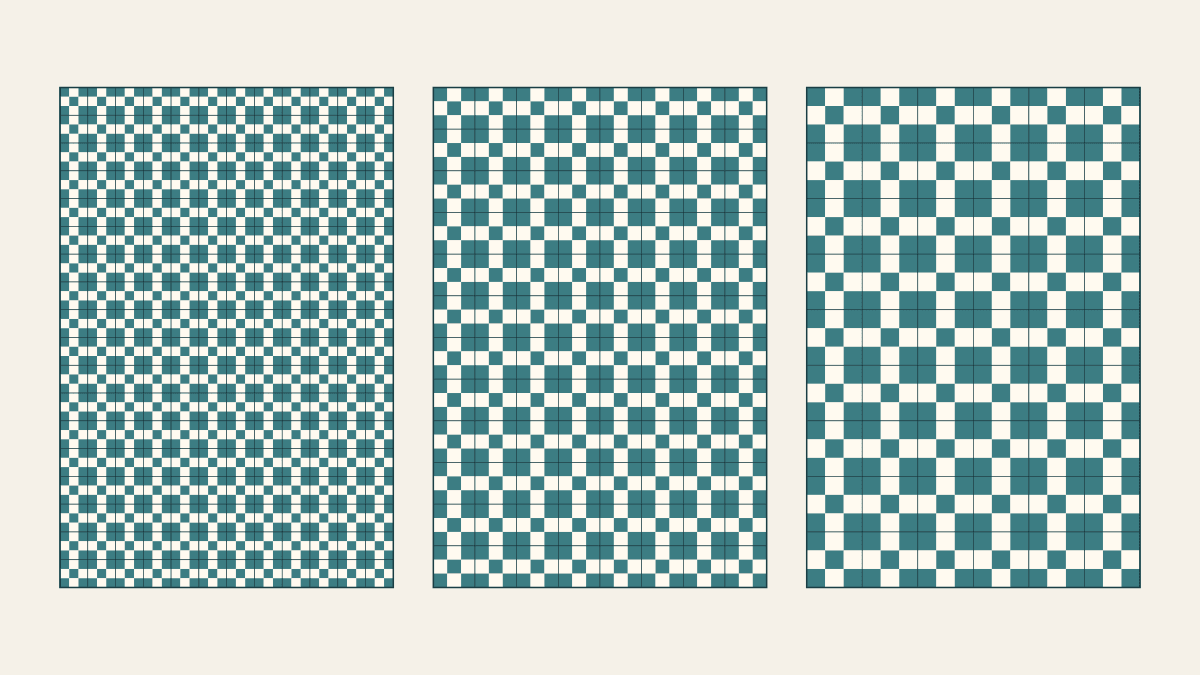
Compare three Nine Patch scales for one quilt footprint, count the joining work for a stated method, and audition prints at patch size.
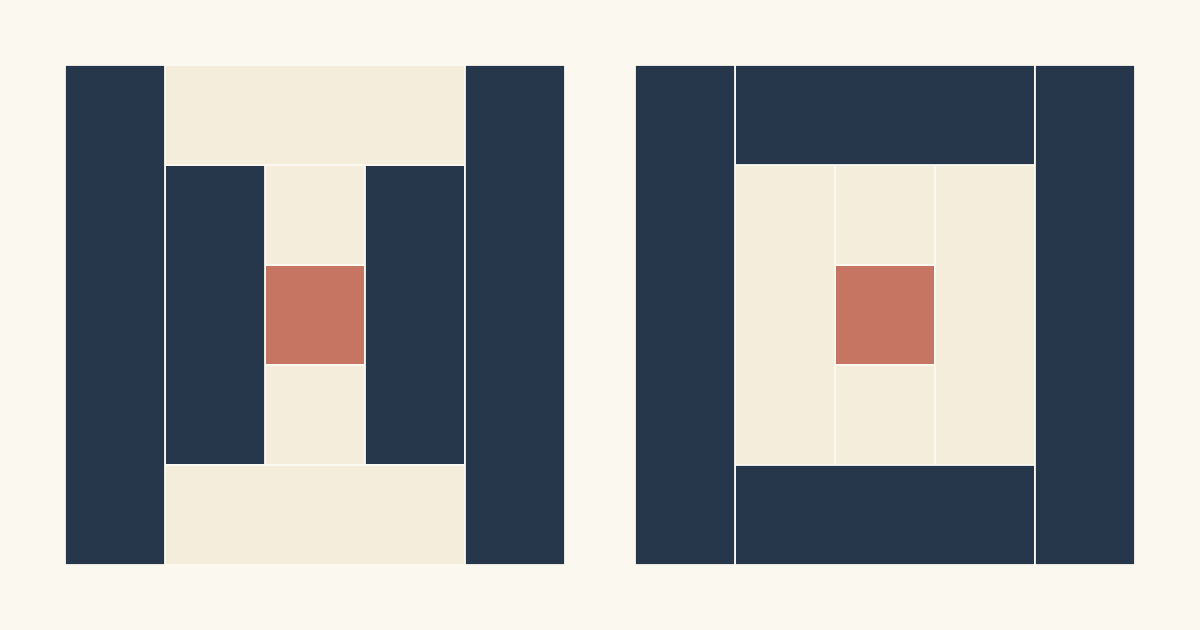
Put light fabric on one pair of opposite sides and dark on the other, or color by rounds for framed squares. Two 10-inch maps show how each one repeats.
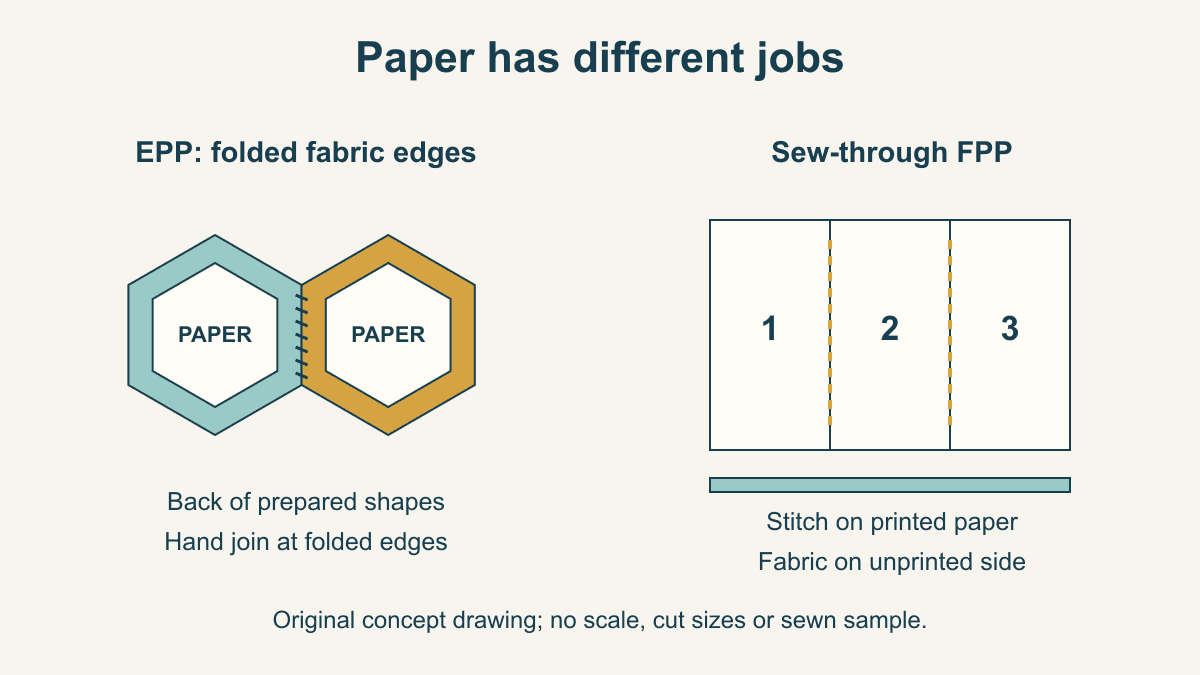
Compare what the paper does, where stitching happens and which project brief suits EPP or sew-through FPP before choosing a pattern.
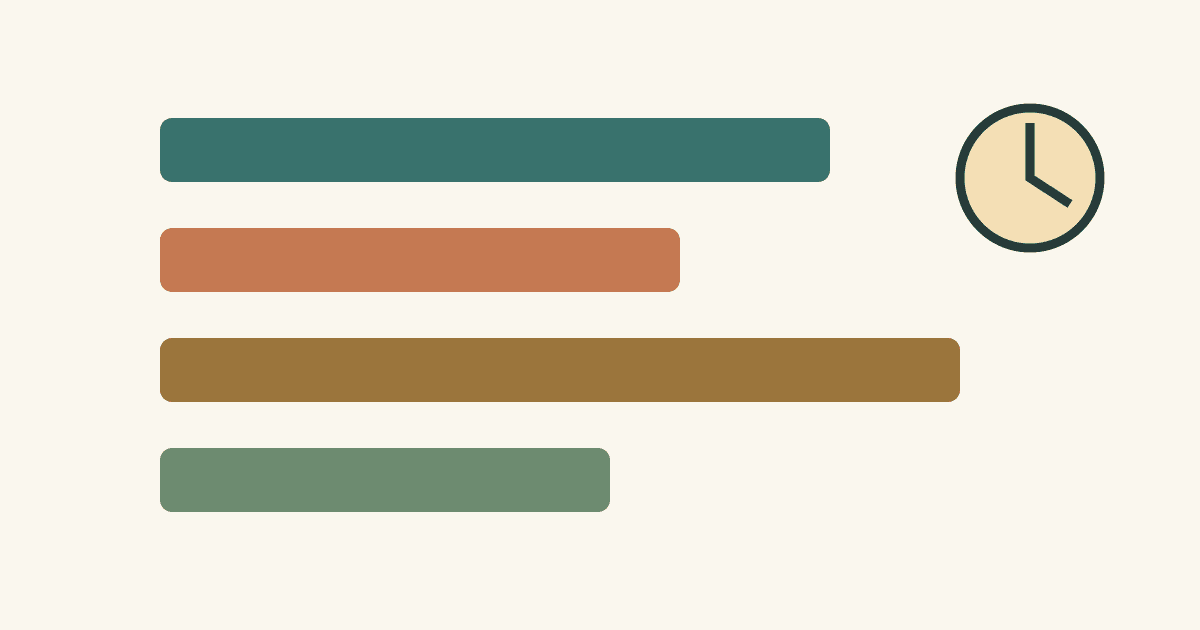
A simple throw often takes two to four weeks of spare-time sewing. Here's how to time one batch of blocks and turn it into hours and a finish date.
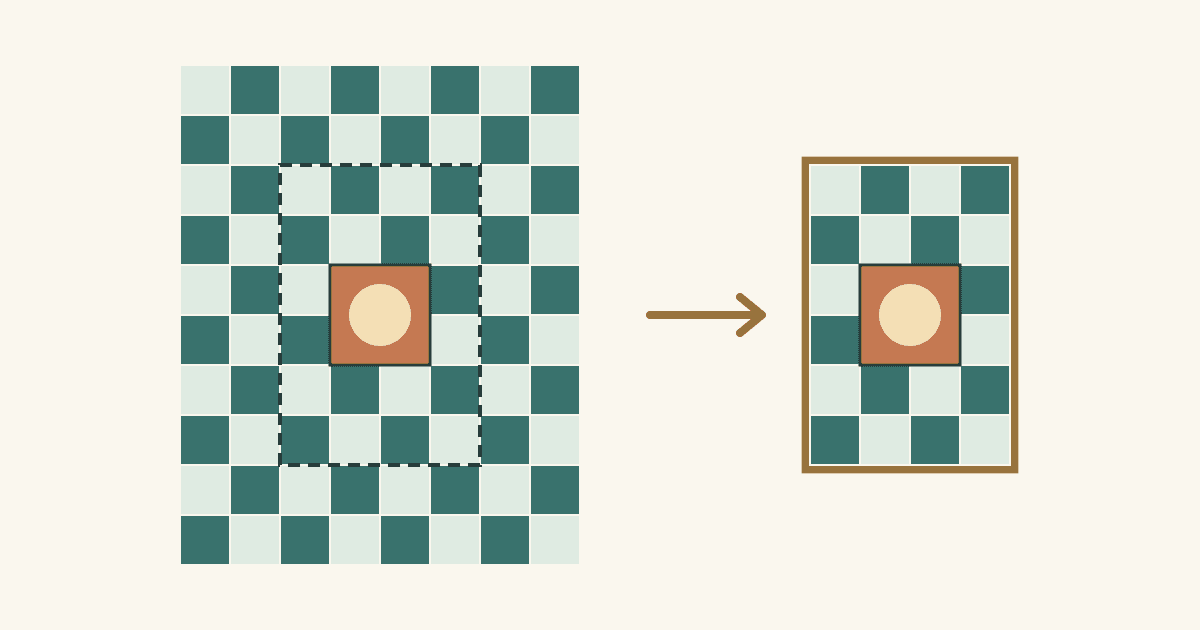
Drop whole rows and columns first. Here's how we'd shrink a 48 x 60-inch throw to a 26 x 38-inch wall quilt and keep its 12-inch center.
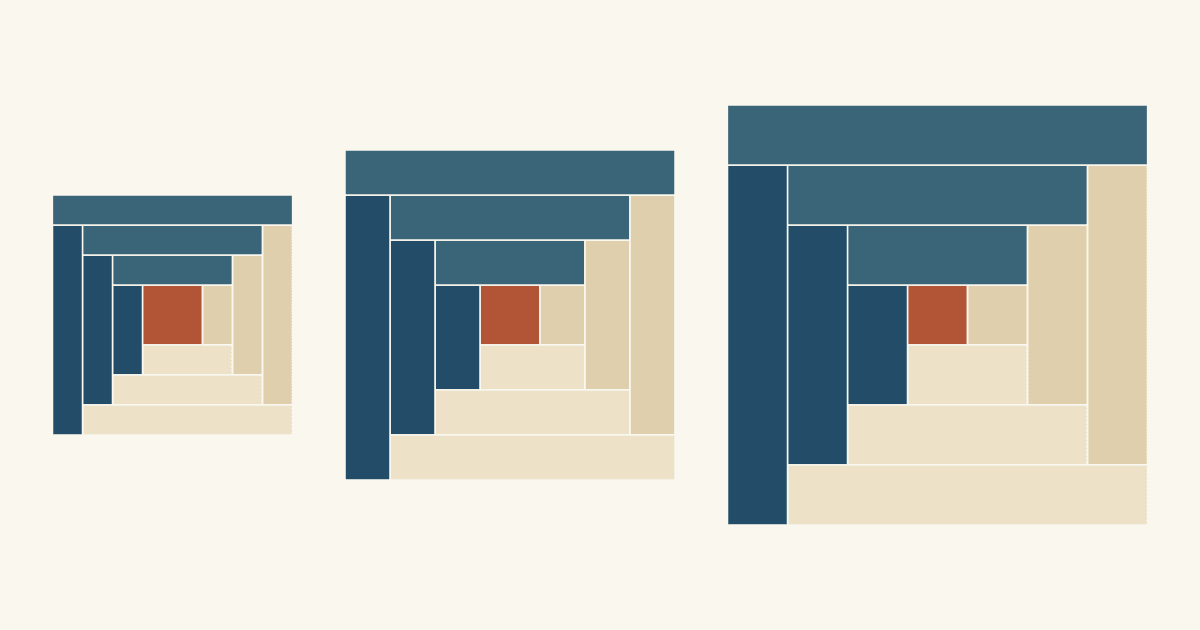
Most Log Cabin strips are cut 1 1/2 to 2 1/2 inches wide. See how each width changes block size, the center's weight and the number of seams.
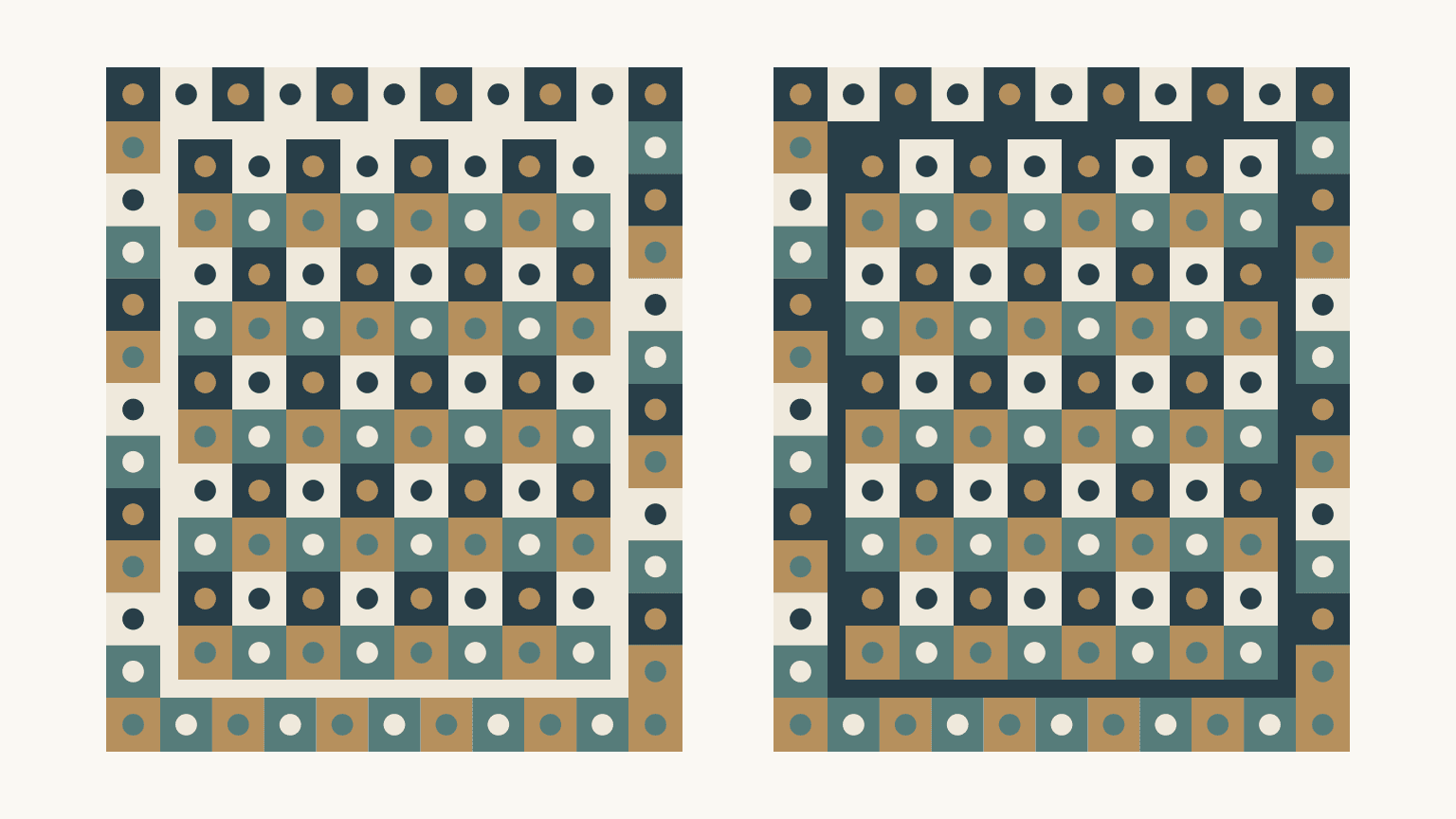
Most stop borders finish 1 to 1 1/2 inches wide. See one busy quilt with 1/2, 1 and 1 1/2 inch inner borders, then pick the width and value that separate your prints.
Build a measured bed worksheet with unequal drops, pillow allowance, floor clearance and orientation checks before choosing a quilt pattern.
Put the quilt's job, size, layout, fabric roles and finish on one page. Includes a worksheet to copy and a worked 45 x 60-inch throw.
Record each fabric, batting and thread with its exact product name, label photo and care directions, so anyone can see how to look after the quilt.
Write down what you planned, what you measured, what worked and one change to try. A four-column finish log turns this quilt into a better next one.
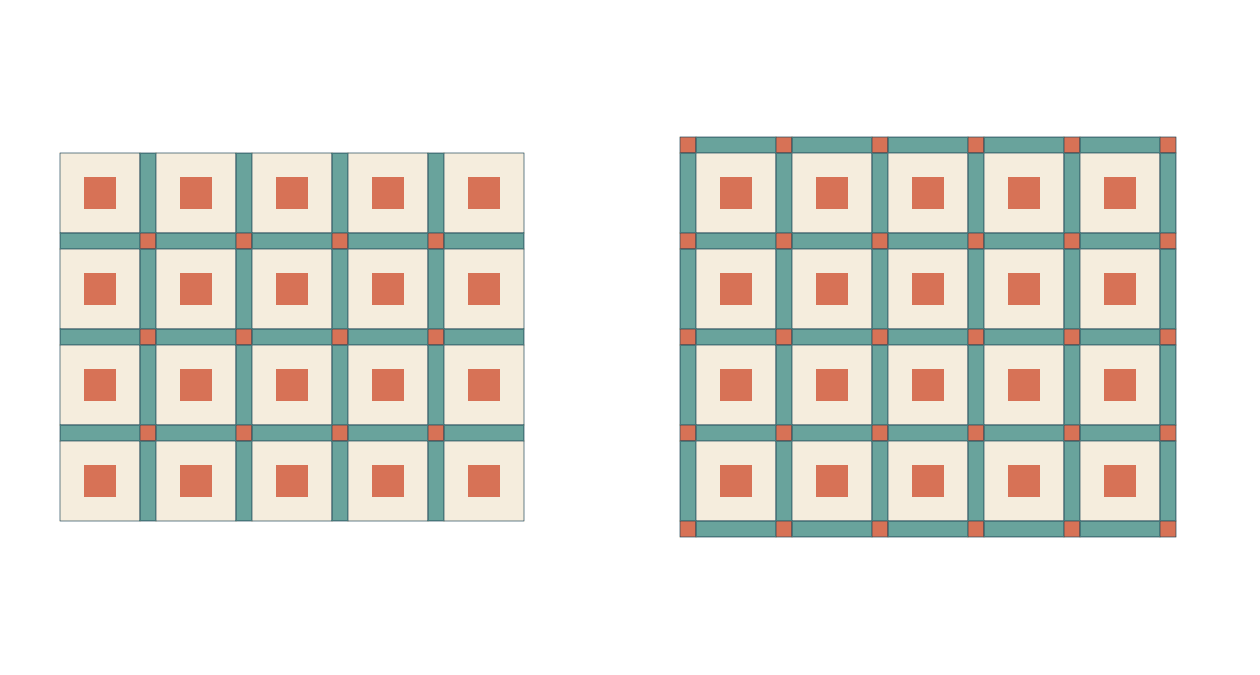
Map the intersections inside a block field and around an outer sashing frame, then check cornerstone counts, strip segments and finished size.
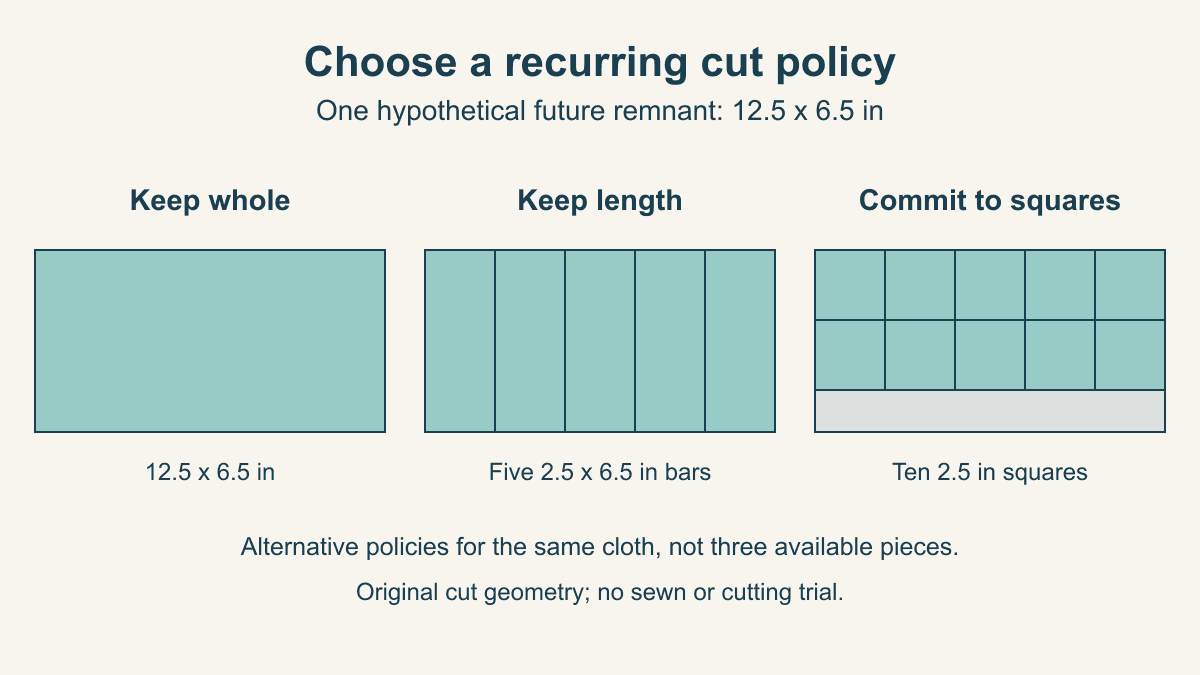
Choose recurring scrap cuts from the shapes you use, preserve useful exceptions, and compare three future policies on one measured example.
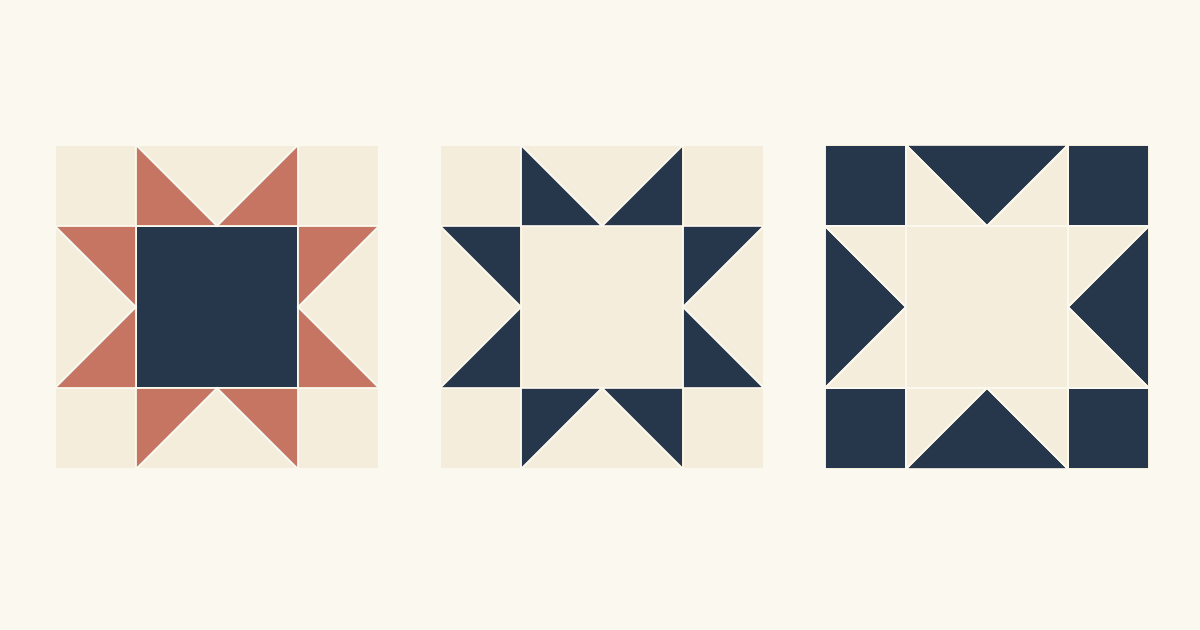
Most Sawtooth Stars use one fabric for the center and points on a contrasting background. See three placements on one 12-inch star and what each changes.
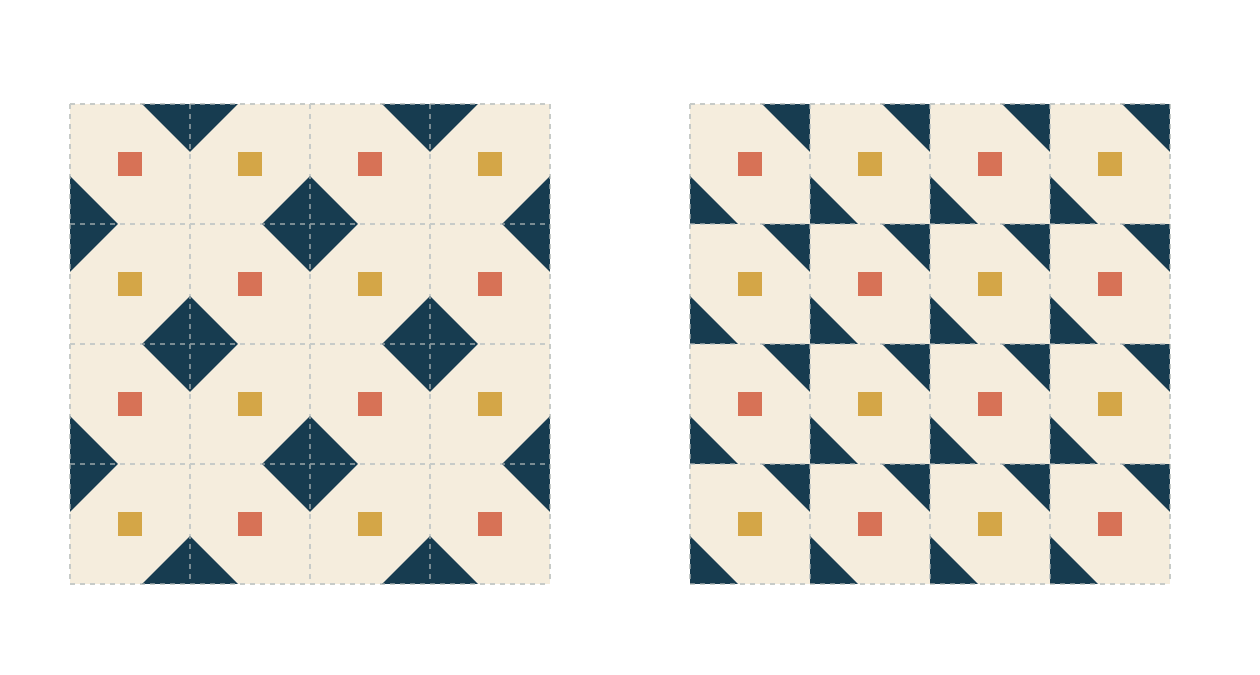
Compare two alternating-block studies and trace the corner pieces that create a larger motif across four block boundaries.
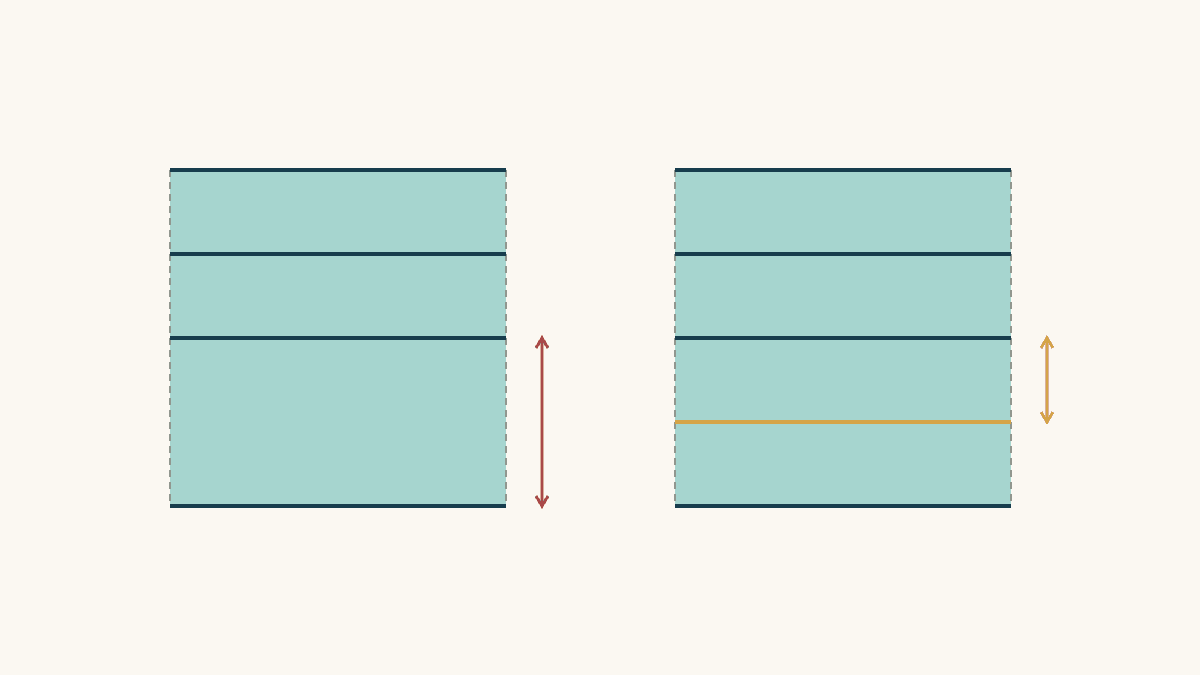
Check your batting's exact spacing limit against the largest gap in your quilting plan, with a measured example and a simple revision.
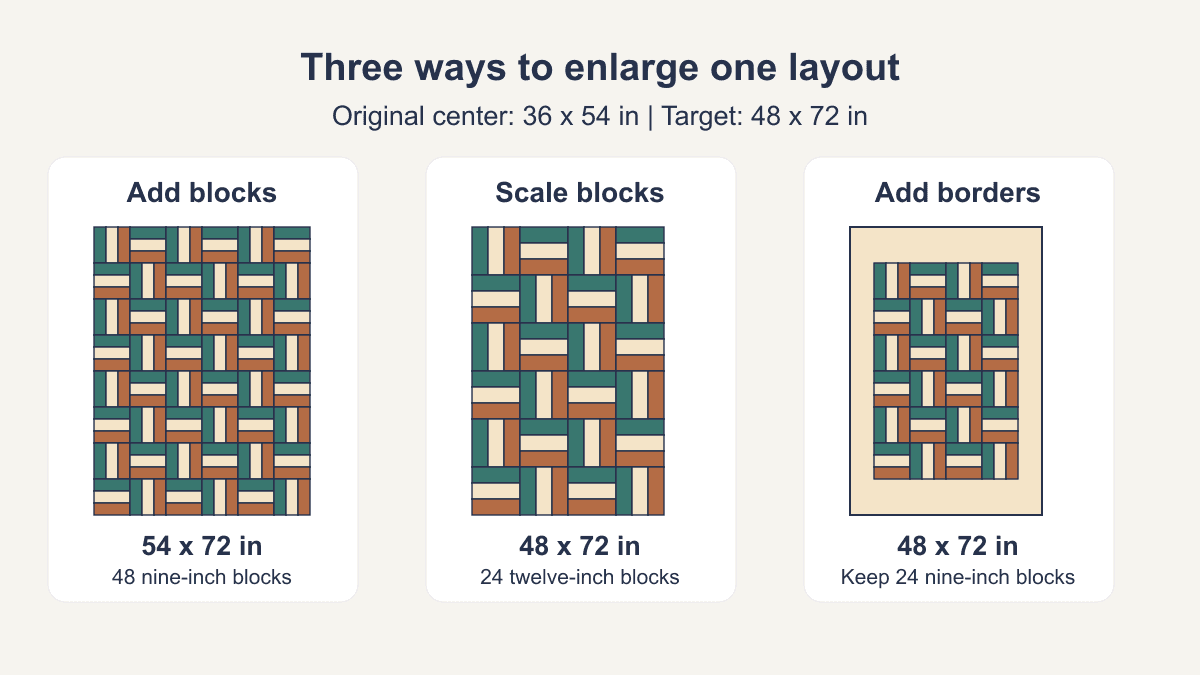
Compare extra blocks, larger blocks and borders on one original layout, with checked dimensions and fresh seam allowances.
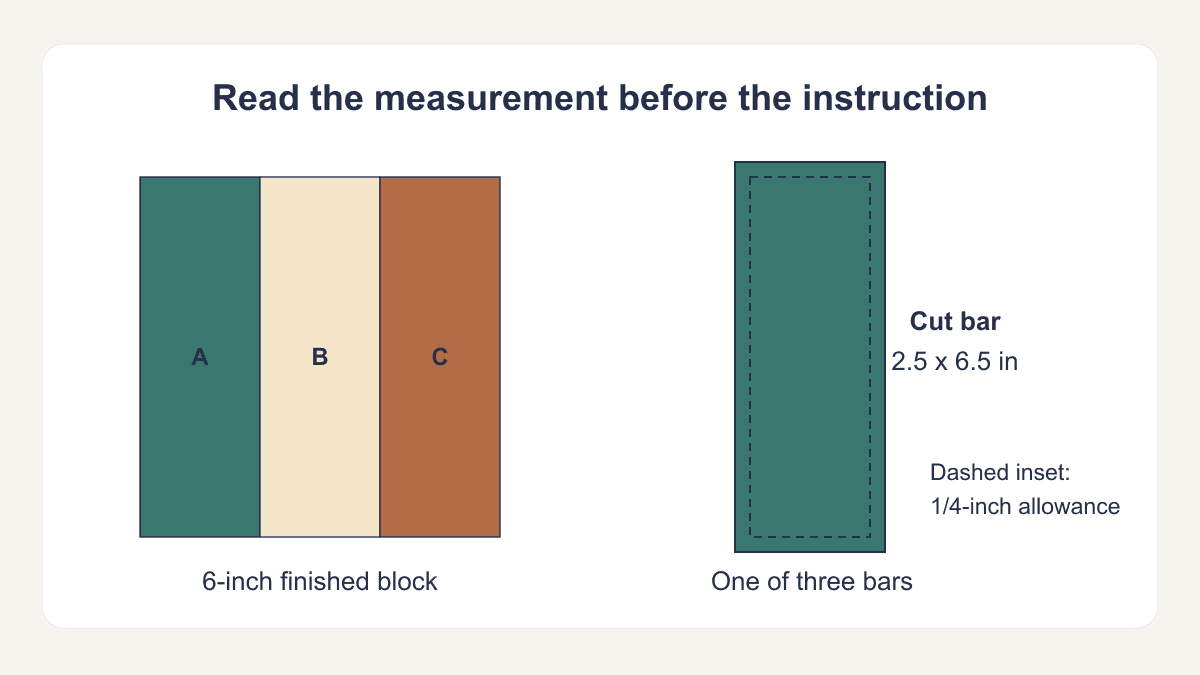
Audit sizes, fabric roles, cutting counts and assembly checkpoints on an original sample page before shopping or making your first cut.
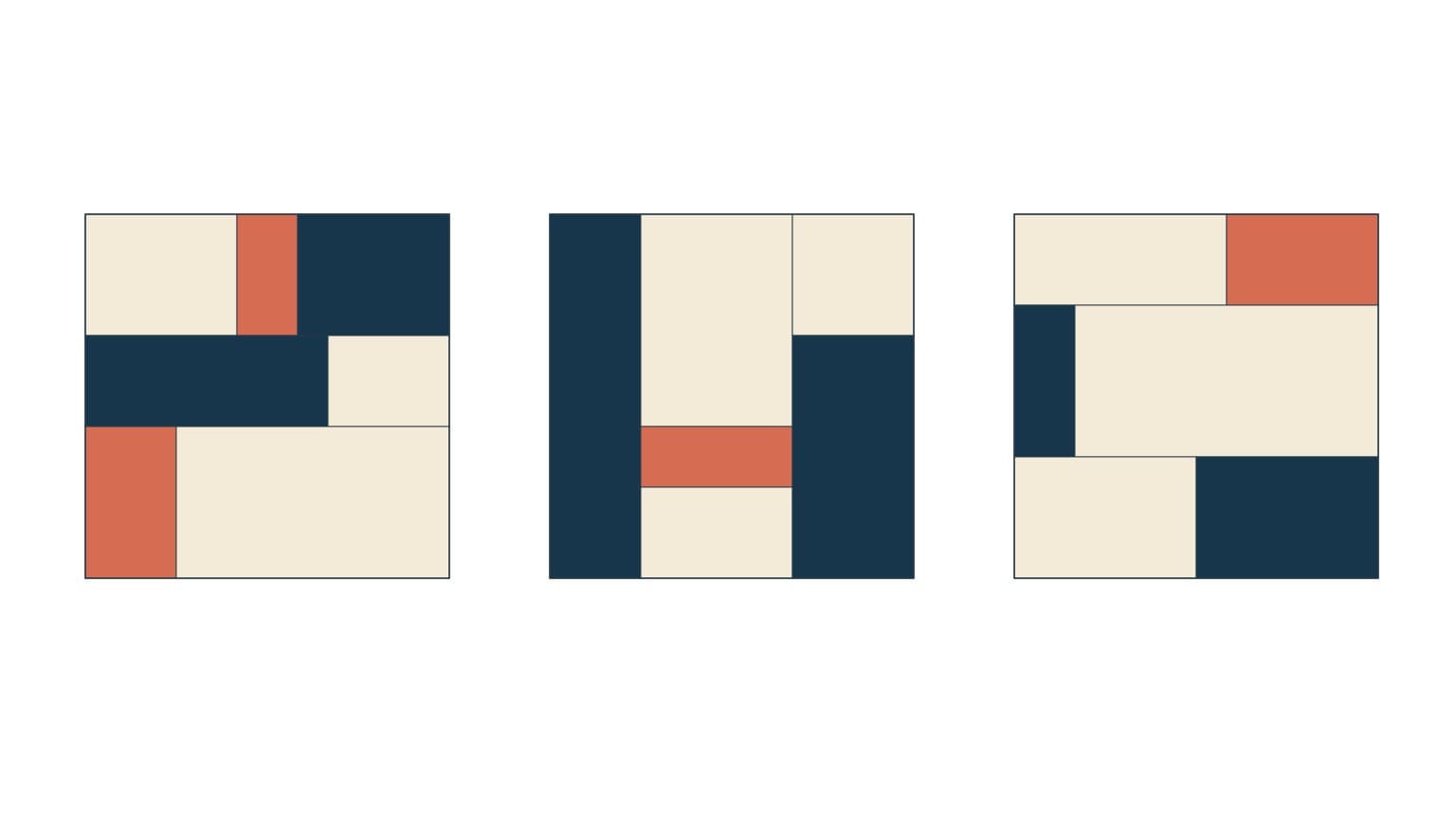
Start an improv study with a shape vocabulary, three fabric roles and a finished envelope, then explore several original compositions.
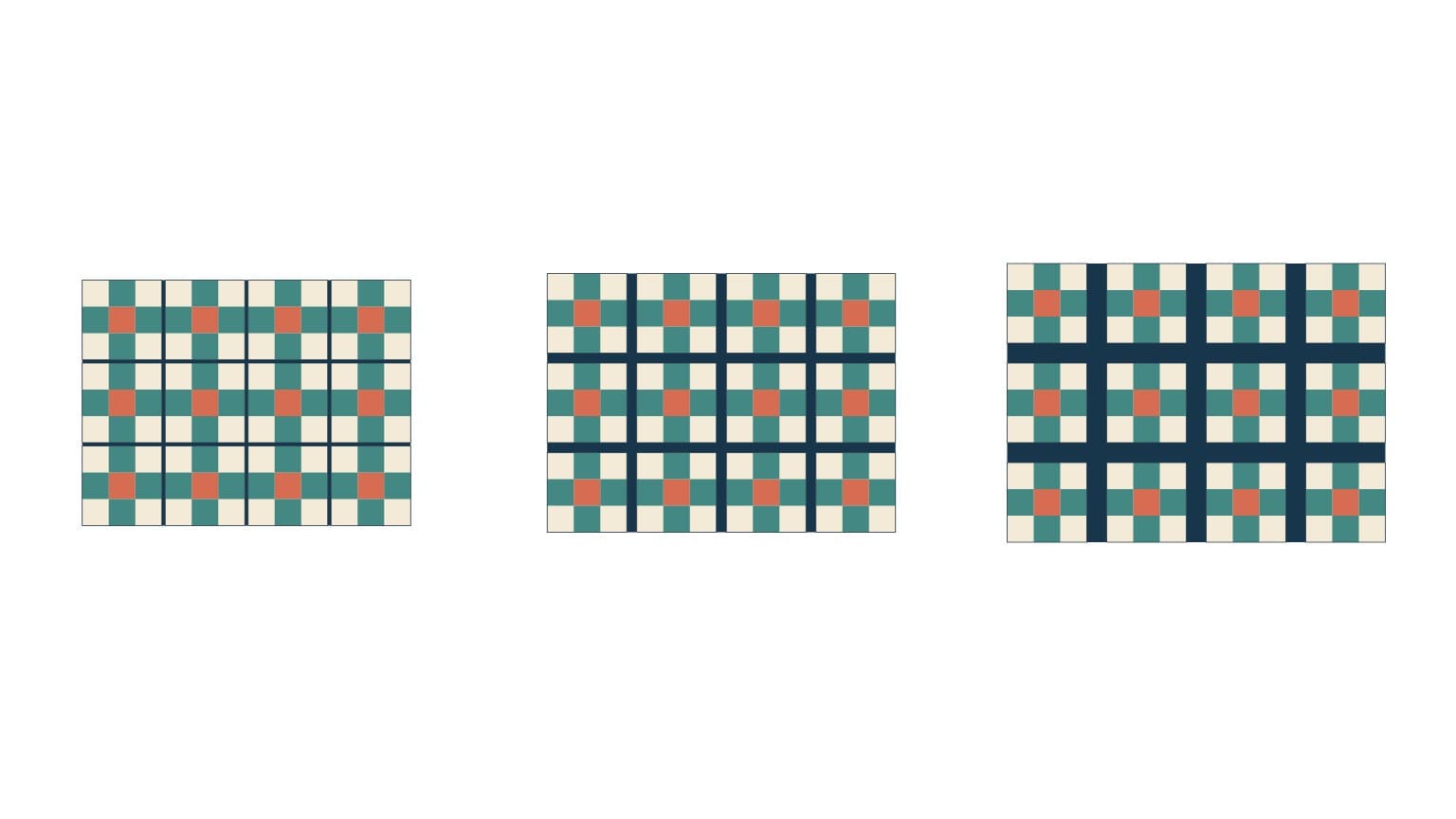
Compare three sashing widths around the same blocks, check finished-size growth, and separate the visible strip from its seam allowances.
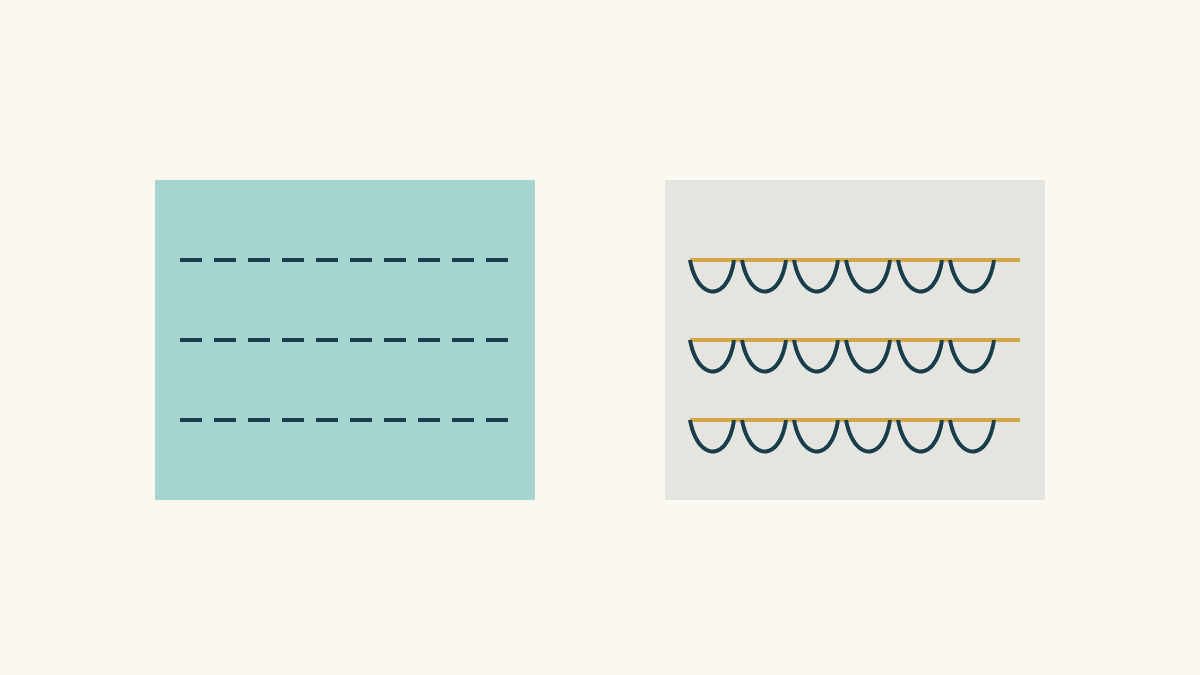
Label both sides of a sample, check threading before the dial, and use a one-change log to narrow quilting stitch-balance problems.
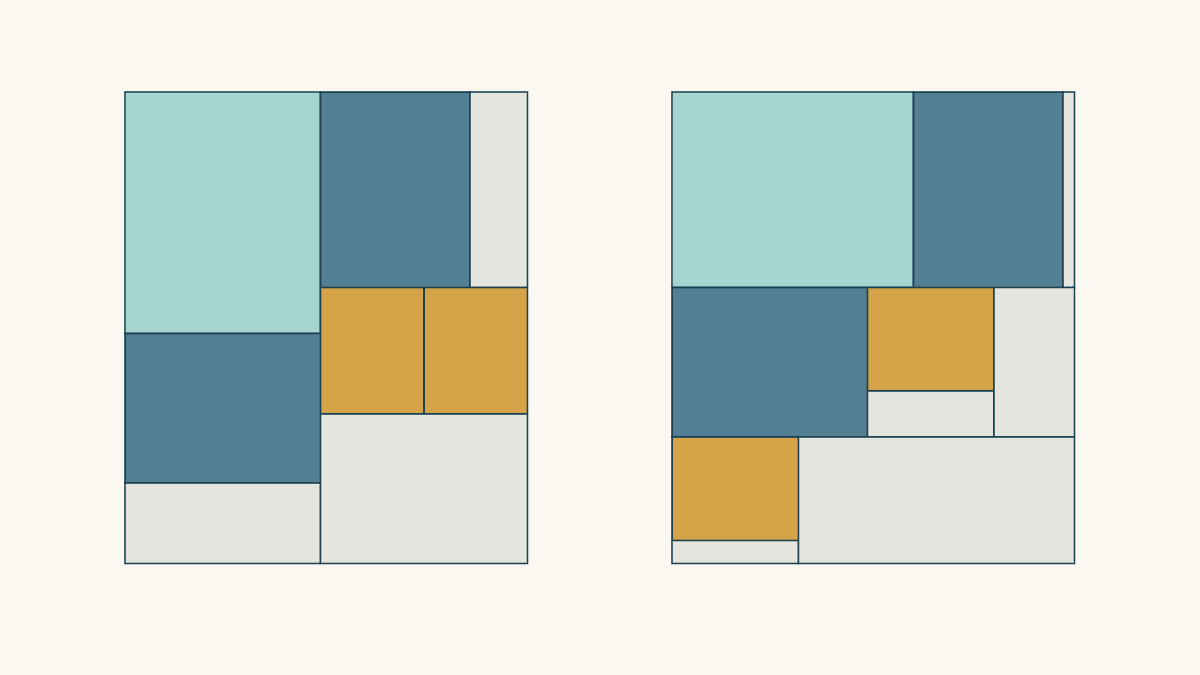
Compare two cutting maps for the same five rectangles, check usable cloth and rotation limits, and see why leftover shape matters as much as area.
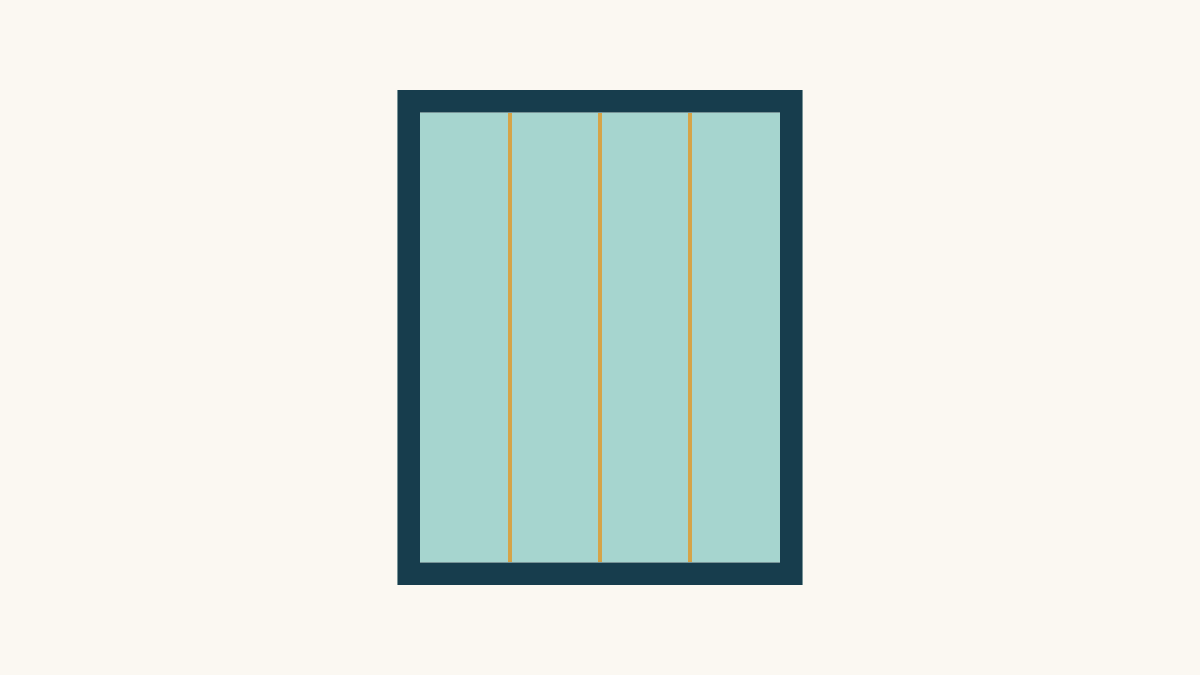
Use three interior measurements to set border-strip lengths, keep raw and finished sizes separate, and remeasure after attaching the first pair.
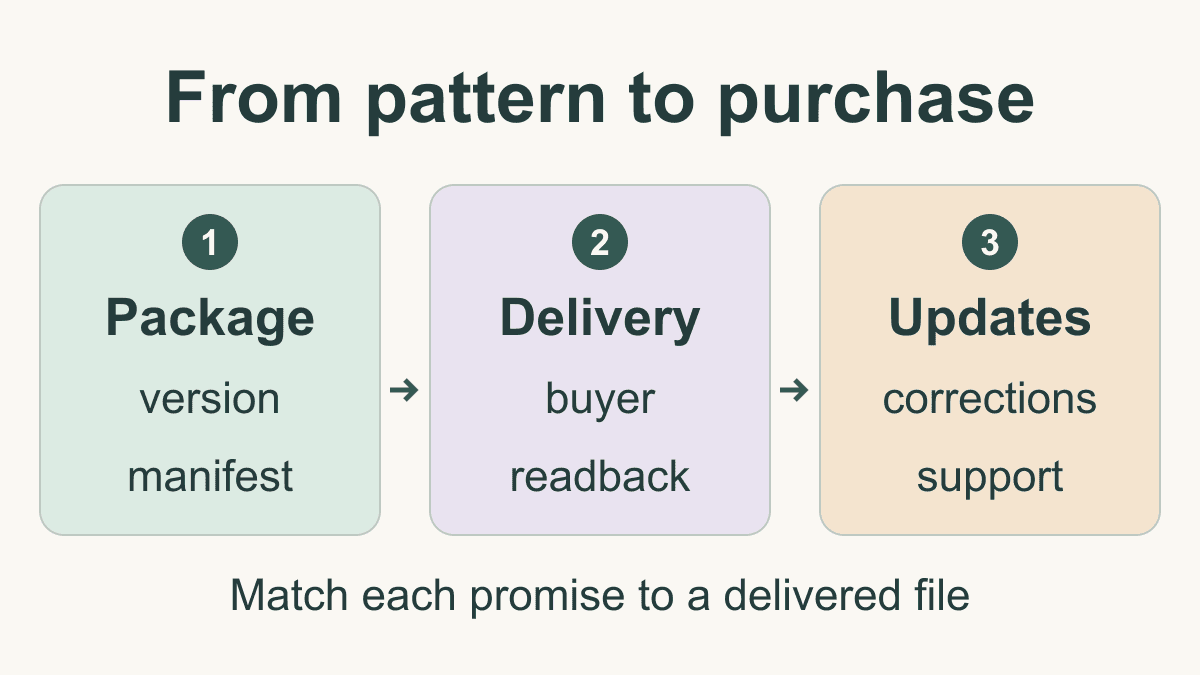
Prepare a clear pattern listing, a versioned download package and a delivery check, with a plan for access, support and corrections.
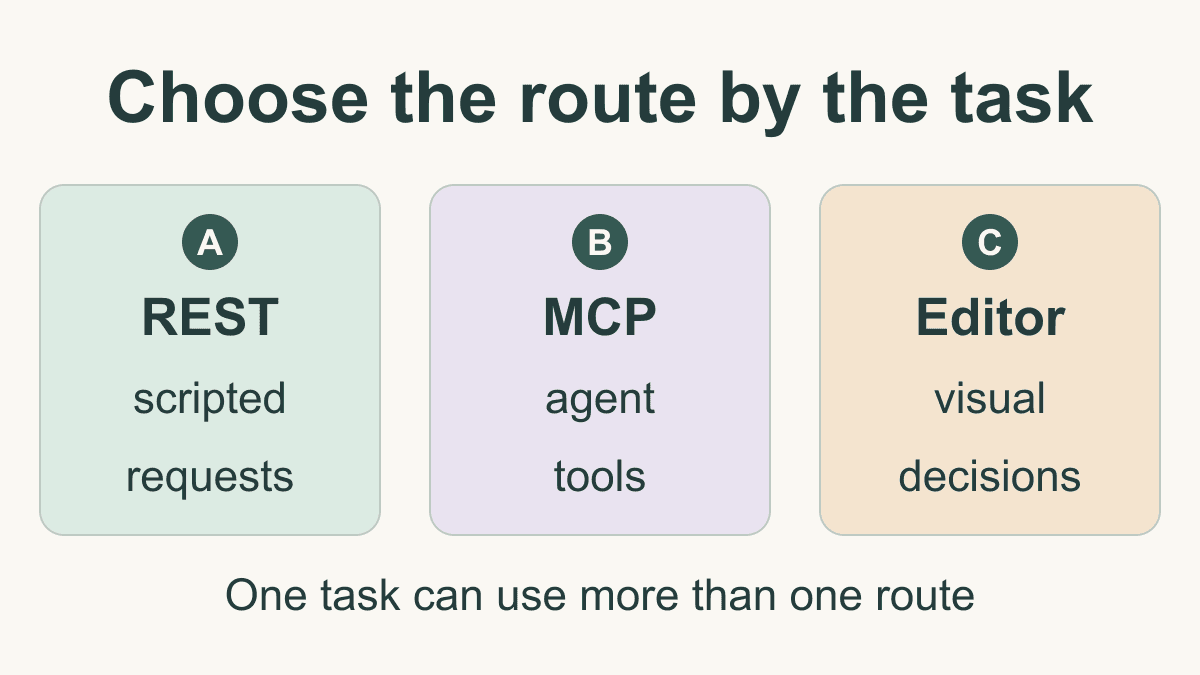
Choose REST, MCP or the QuiltLab editor for a task, with a verified anonymous supply read and a practical handoff record for later design work.
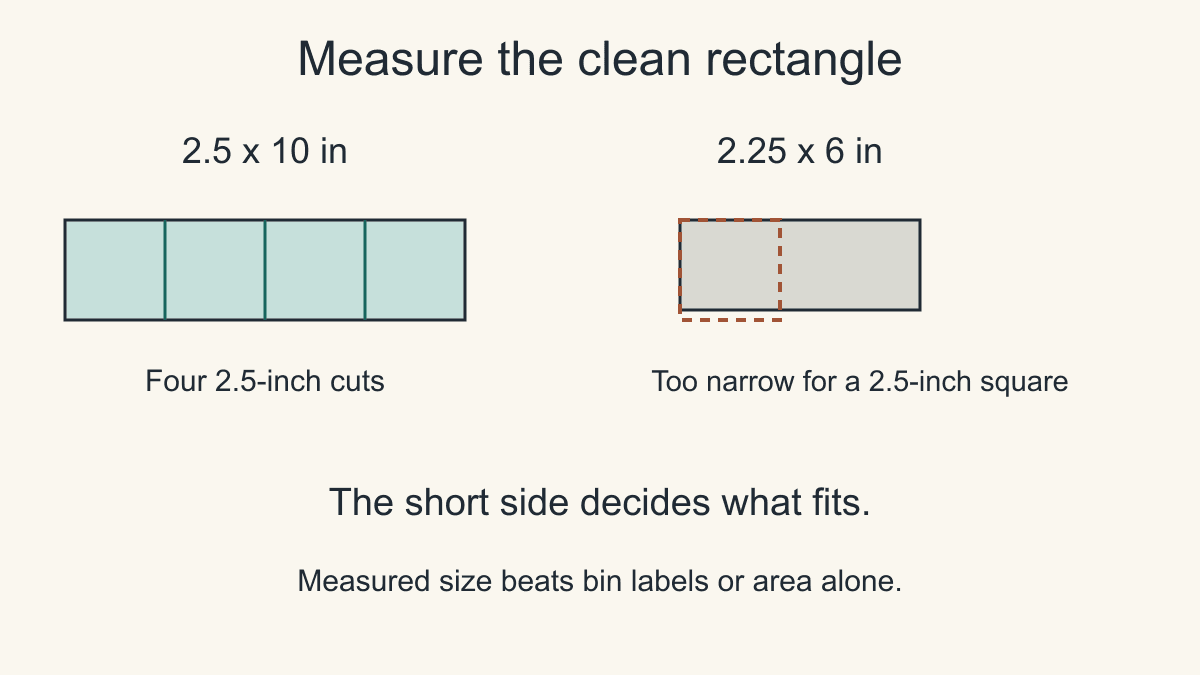
Measure clean scrap dimensions, check which units fit, and allocate a sample inventory without counting the same fabric twice.
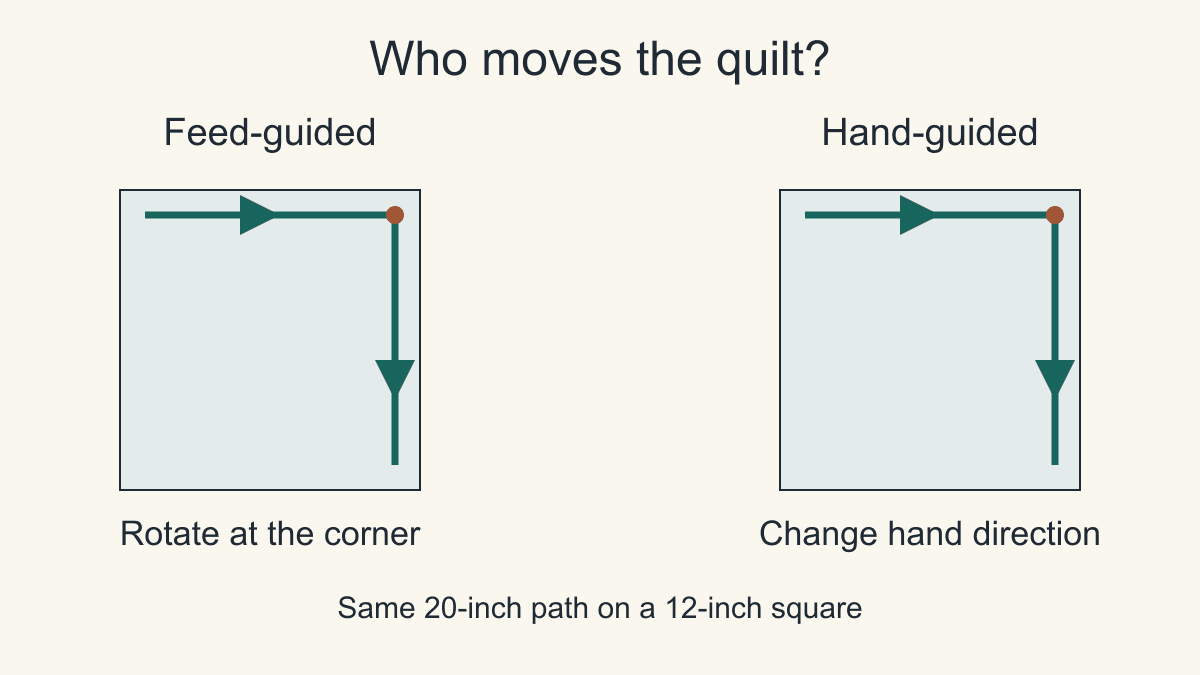
Compare fabric feeding, direction changes and stitch control, using the same measured path to choose a quilting method for your top.
Follow a real QuiltLab assistant prompt through proposal review, saved editing and SVG export, then independently check the square-patch construction math.
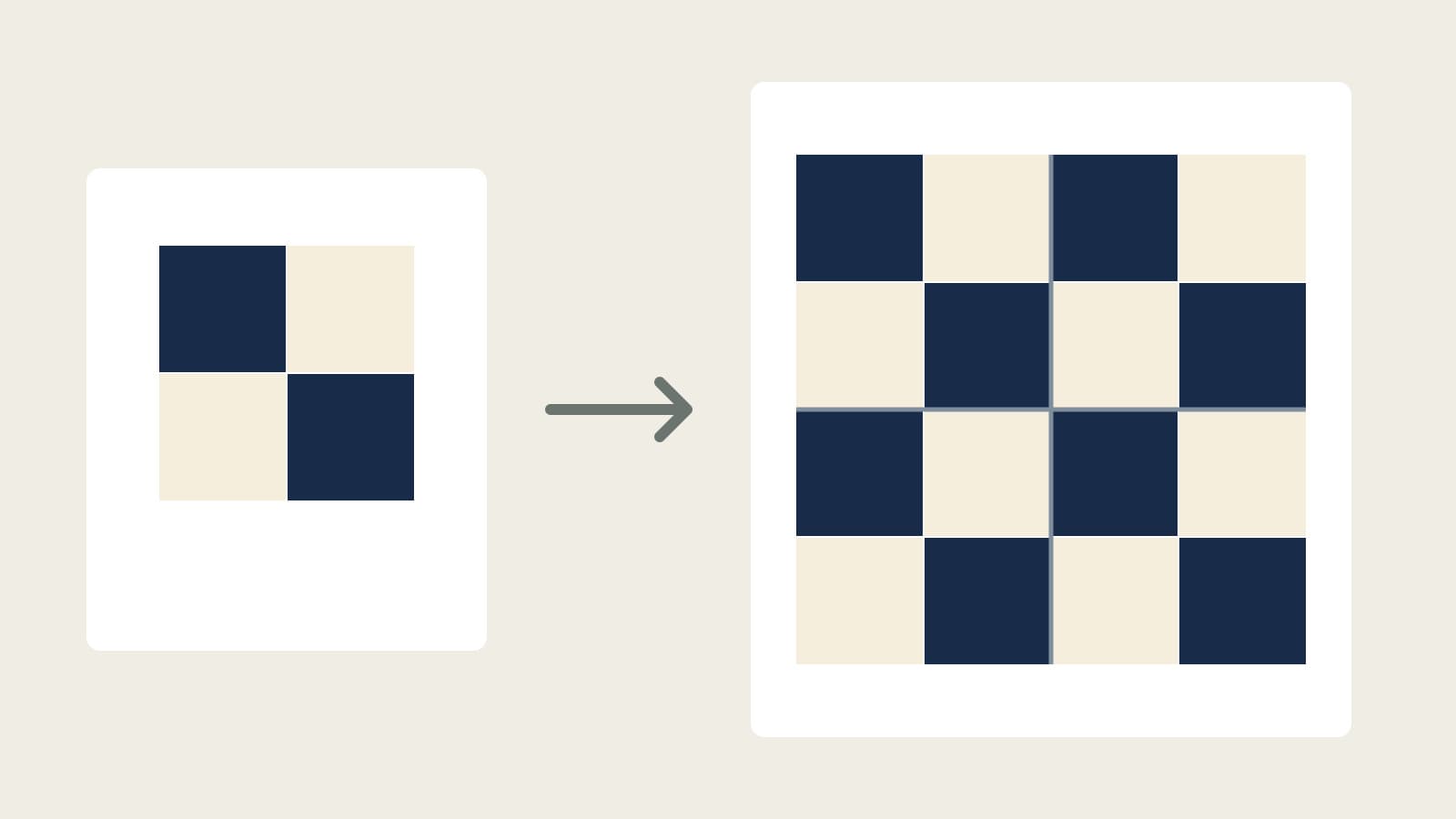
Compare browser quilt tools by what you can draw, keep, export and use for construction, with dated public checks and a common Four-Patch task.
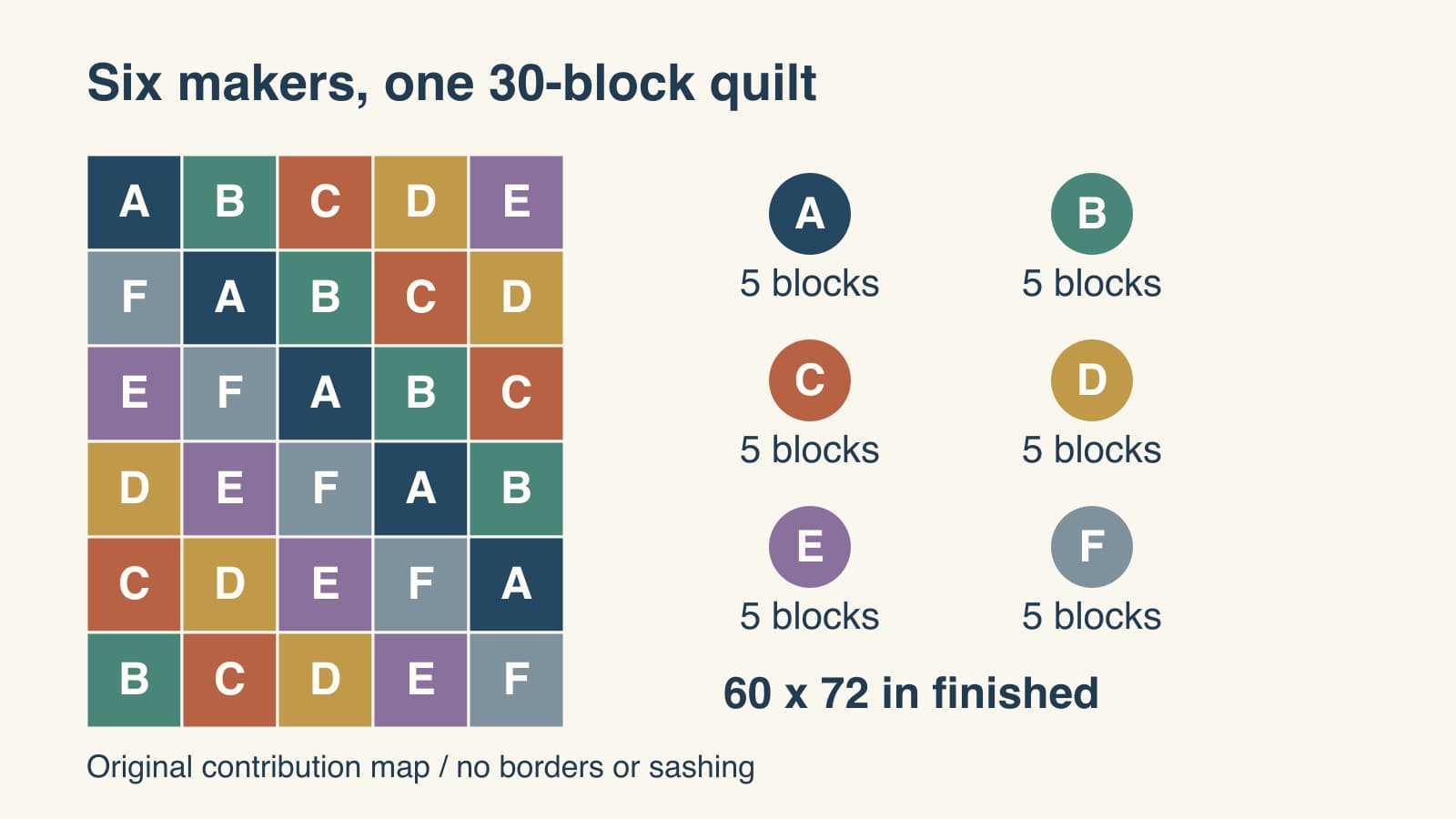
Compare contribution quilts, bees, round robins and shared challenges, then plan a 30-block group quilt with six makers and clear sharing boundaries.
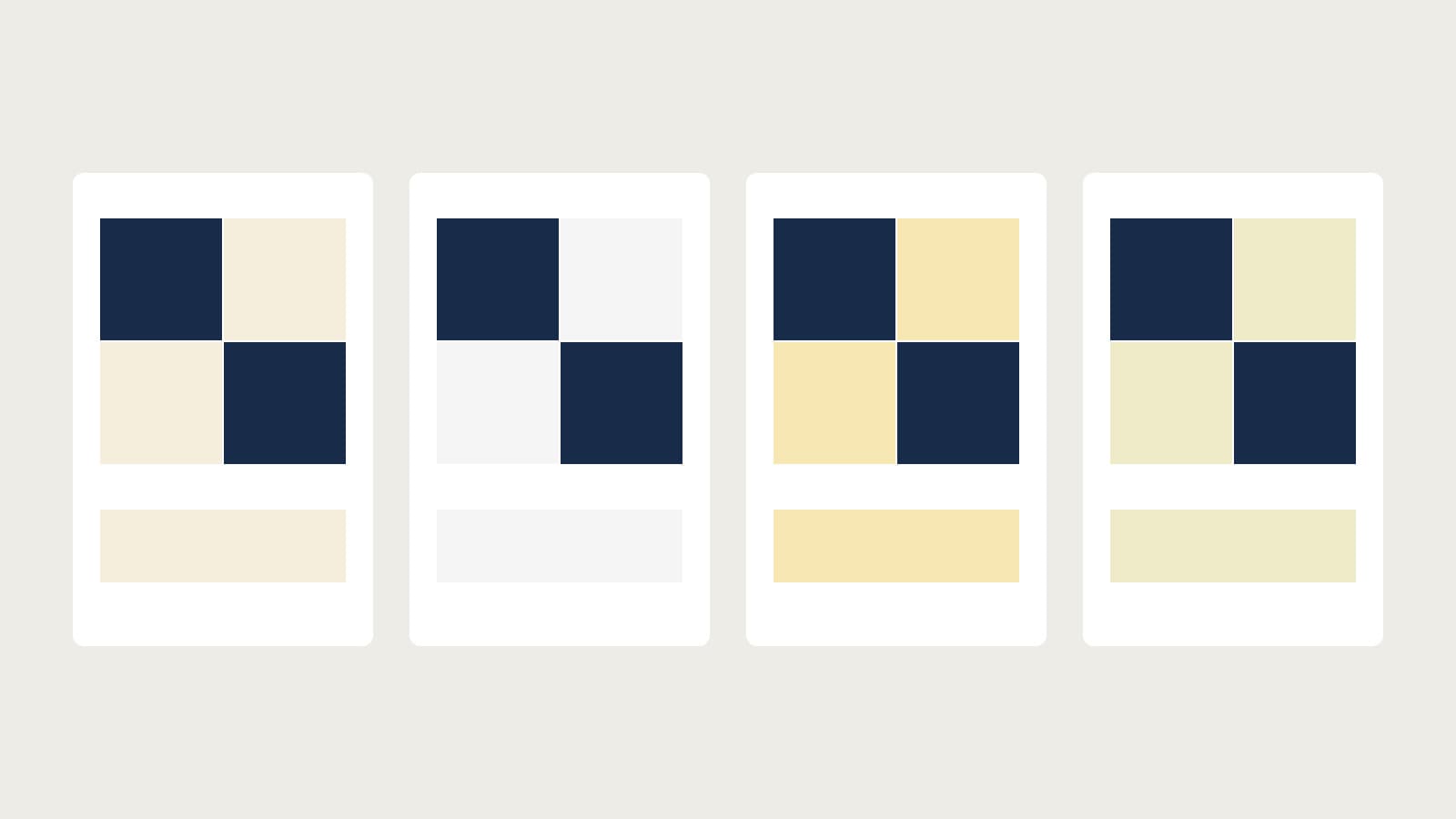
Shortlist Kona, Bella and Pure Solids digitally, then check physical cards, neighboring fabrics and color identity before buying.
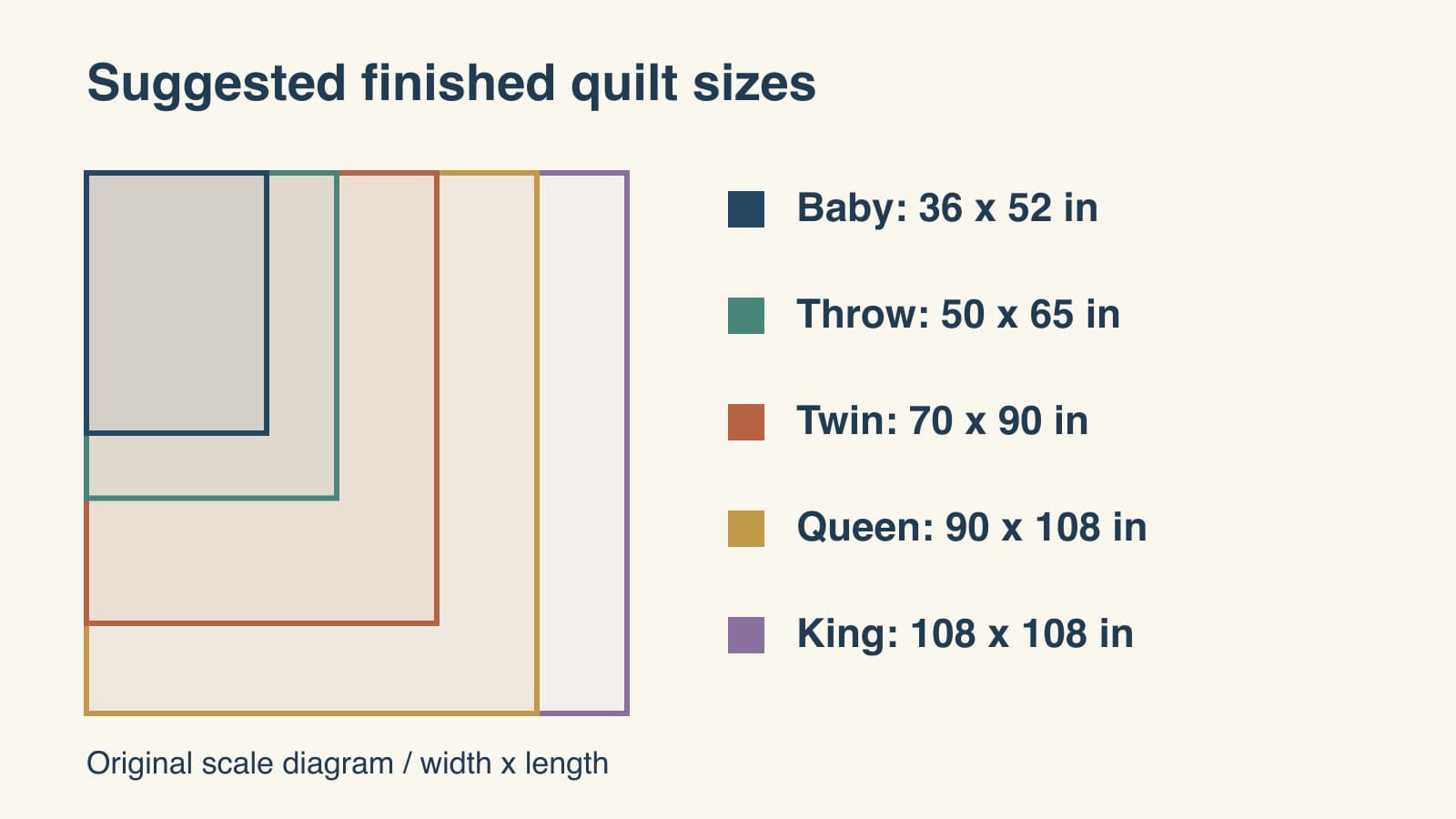
Compare suggested finished quilt sizes, measure the drop on a real bed, and check how many blocks fit your target before choosing a pattern.
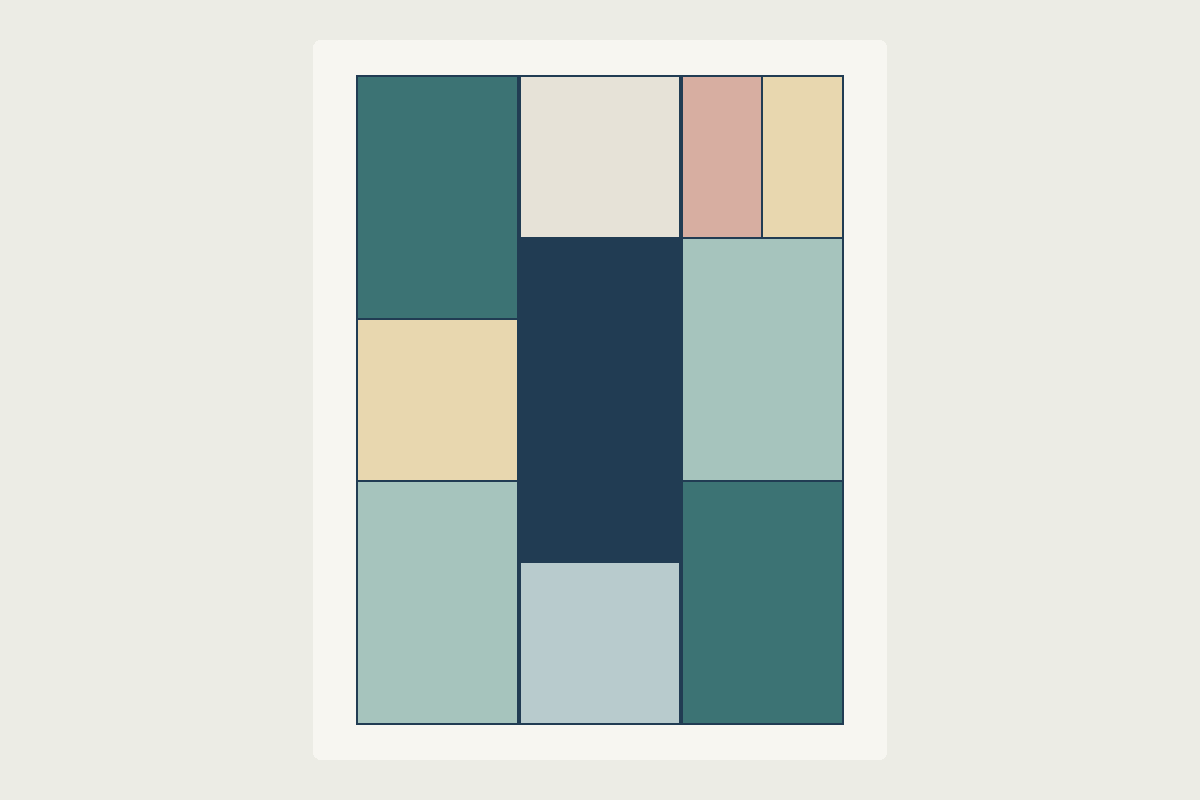
Plan ten mixed-size shirt panels in a checked 36 x 48 inch layout, keep usable fabric separate from finished size, and choose a clear assembly order.
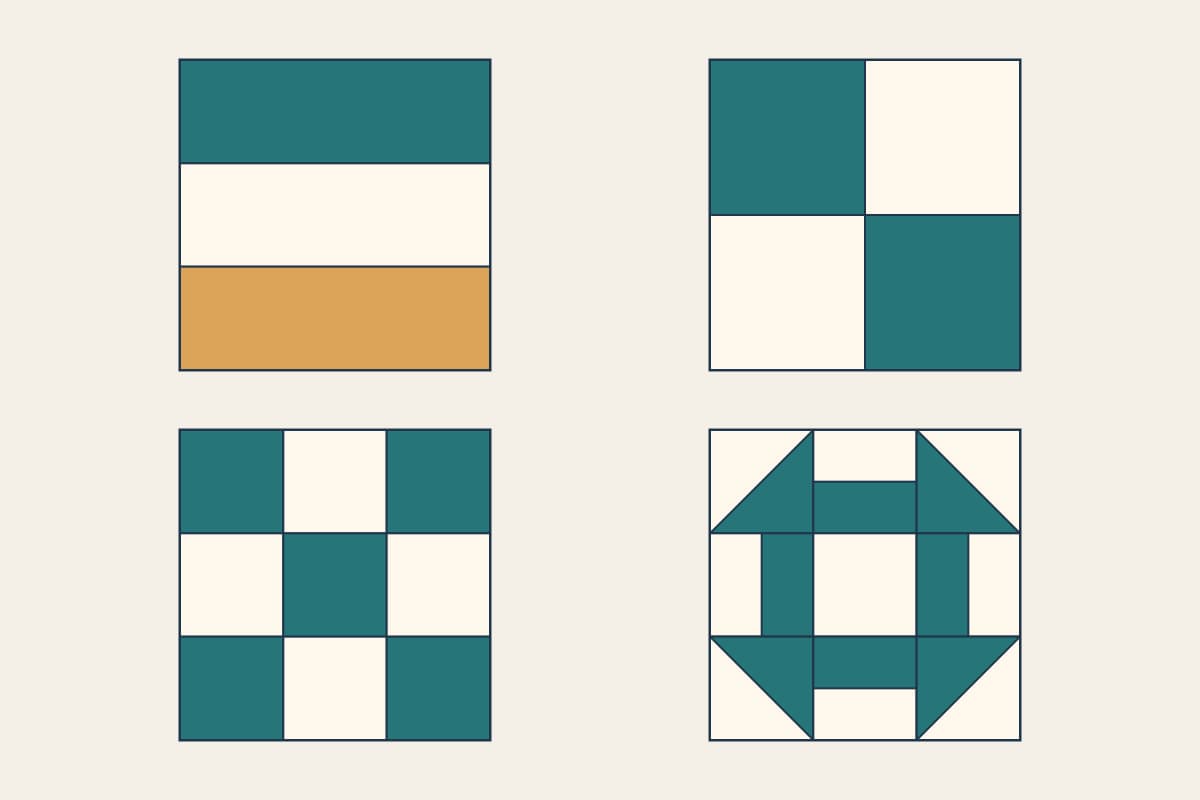
Choose your first quilt blocks by the skills they add: straight strips, one seam crossing, a nine-patch grid, then Churn Dash units.

Plan an on-point quilt with 13 blocks, check side and corner triangle cuts, and keep straight grain and a quarter-inch allowance at the edges.
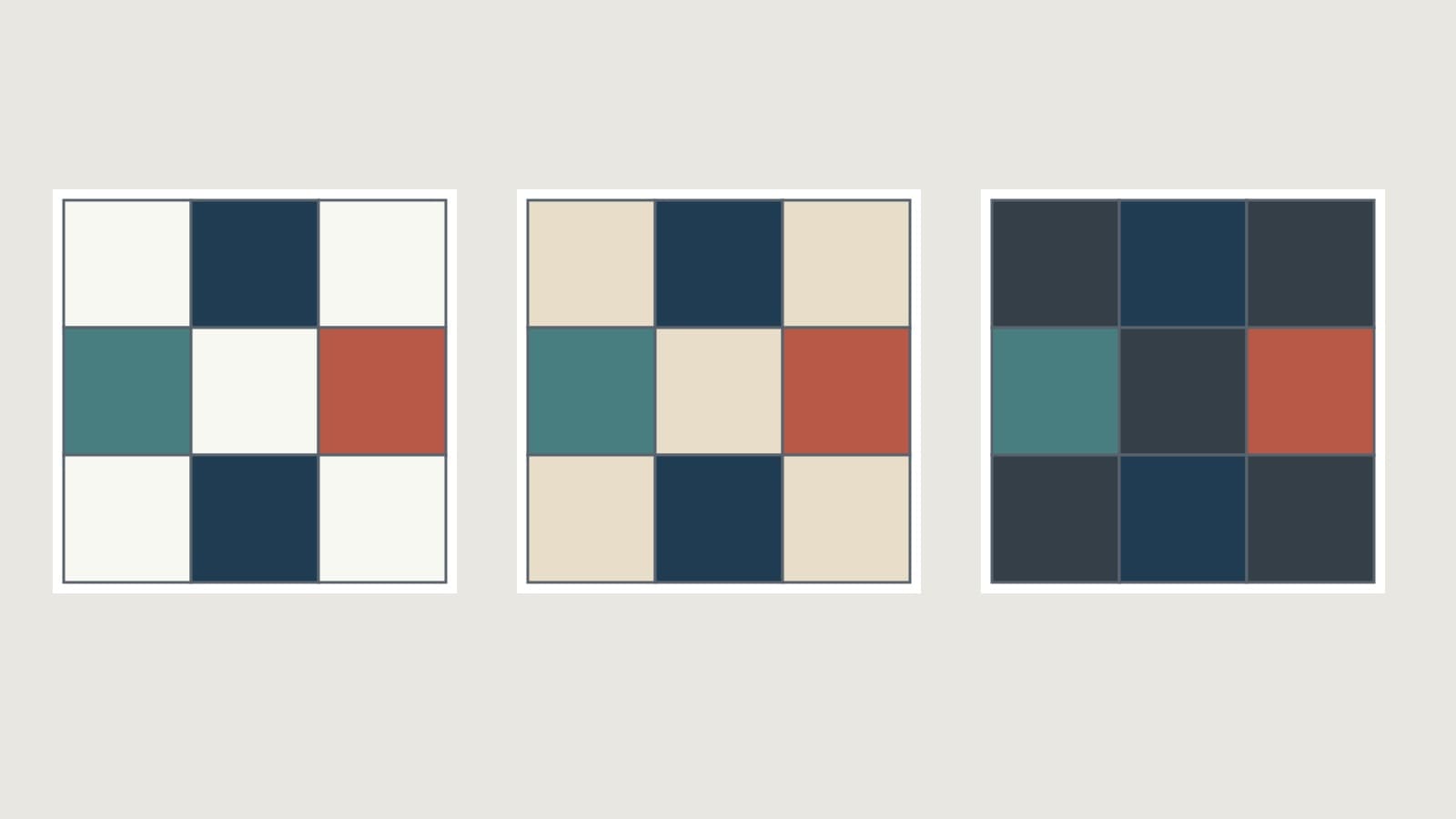
Compare contrast, undertones and print density, then test your background in the right proportion with a checked nine-patch example.
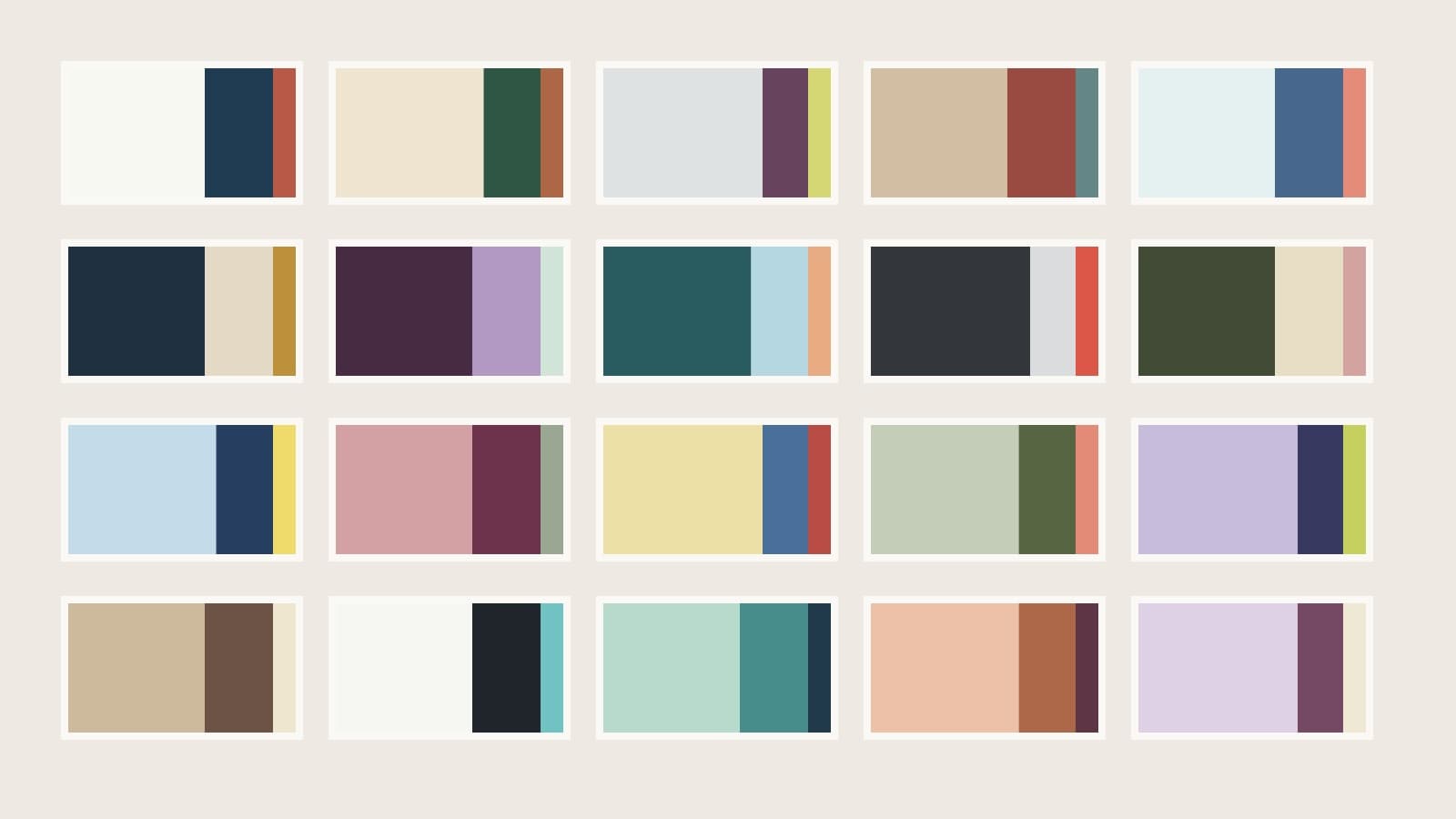
Twenty quilt palettes with background, support and accent roles, checked area proportions and placement notes to help you choose fabrics.
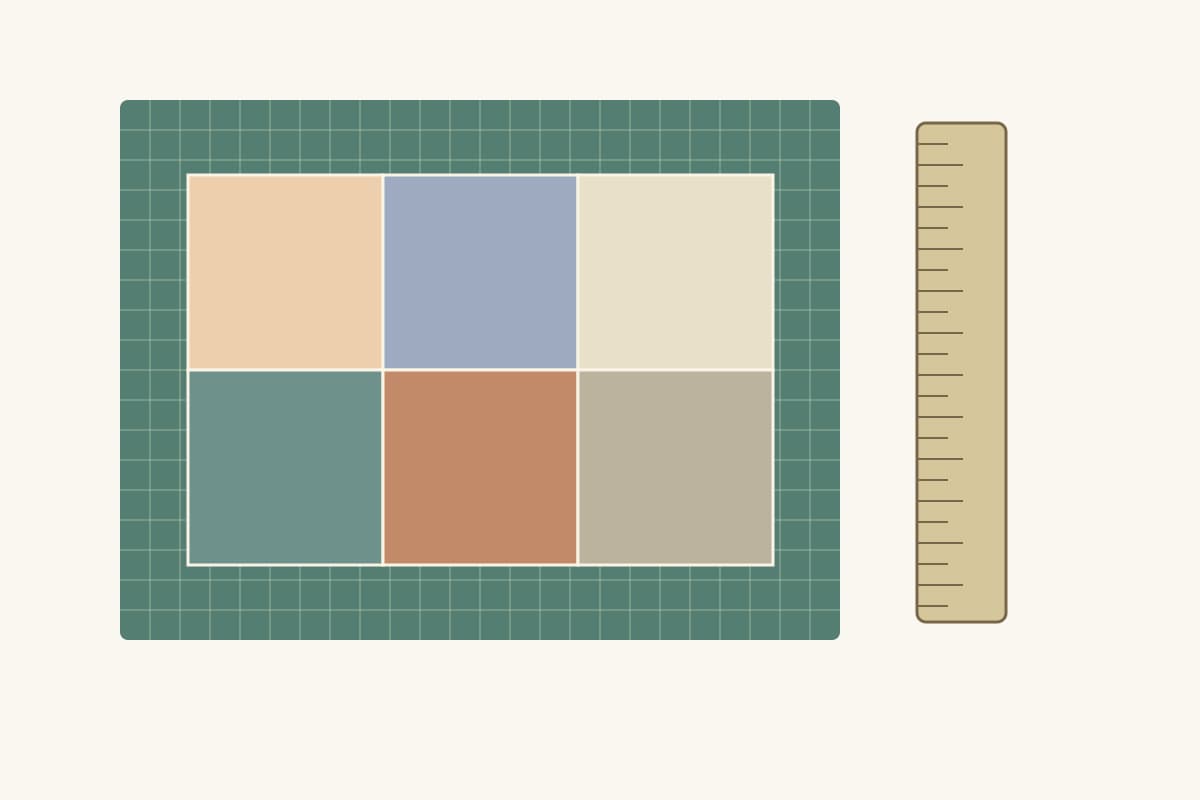
Build a first-project kit by task: what to borrow, what to check, and what to buy, with a measured six-patch practice example.
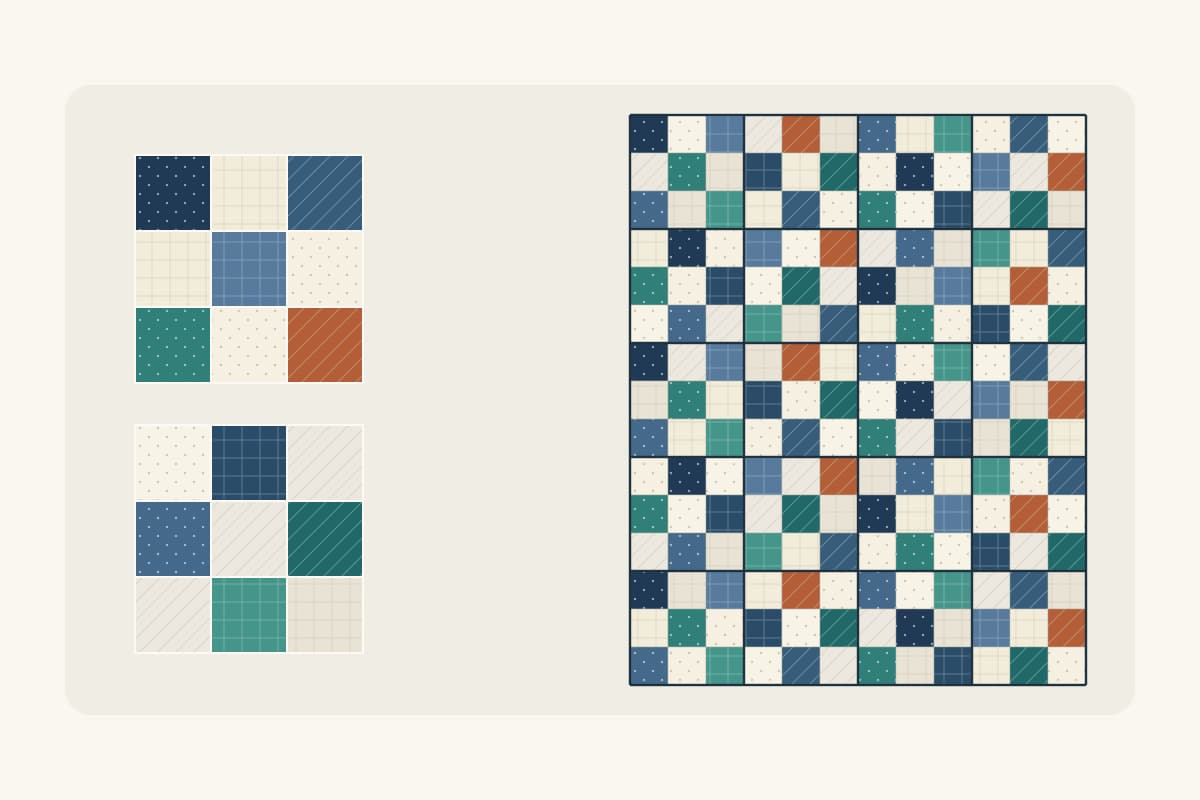
Give mixed scraps a clear job, repeat them across the top, and check the counts with an original 36 x 45 inch nine-patch plan.
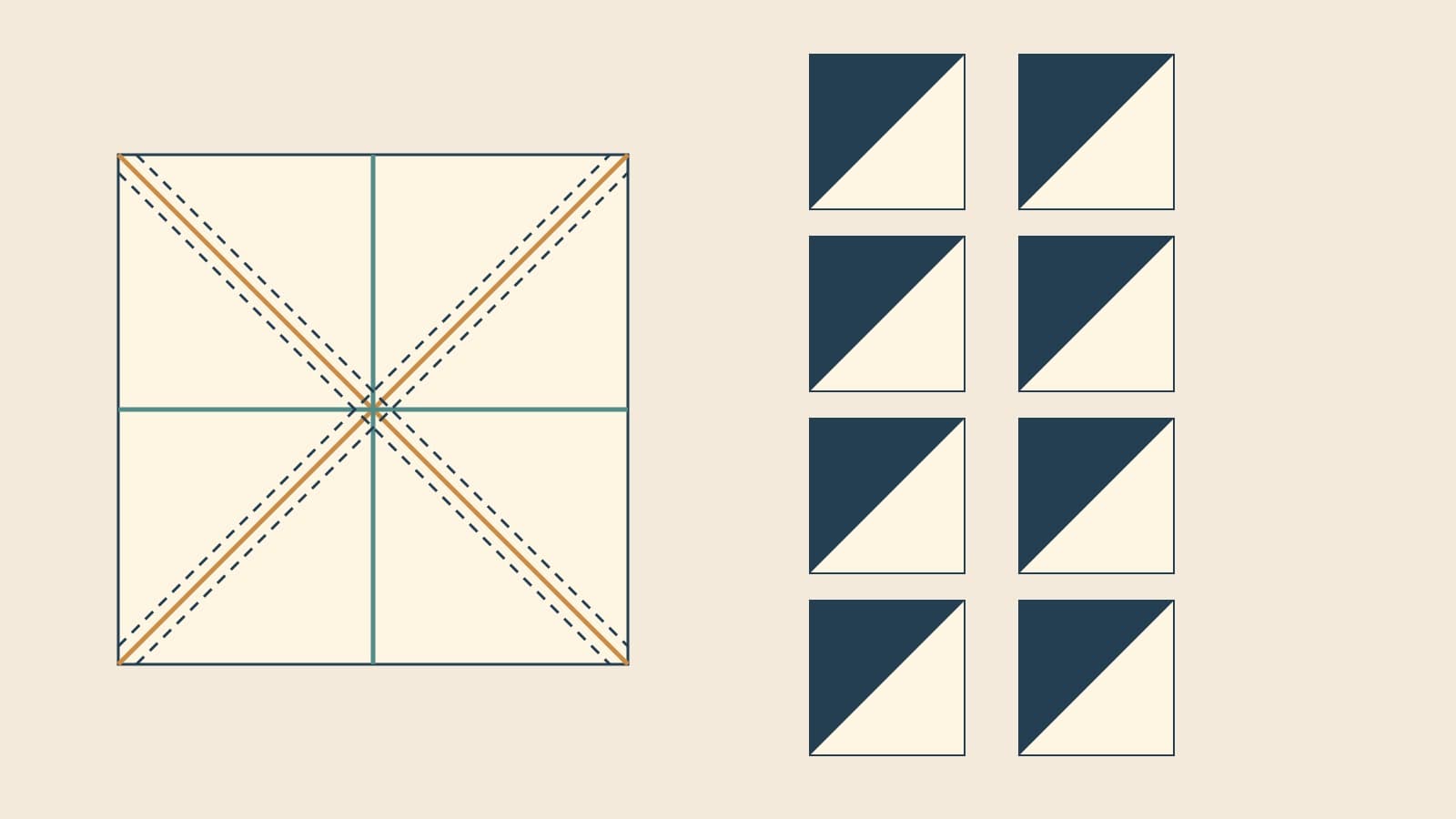
Plan eight-at-a-time half-square triangles with an oversized starting-square rule, a clear cutting sequence, and a 54-unit color-pair example.
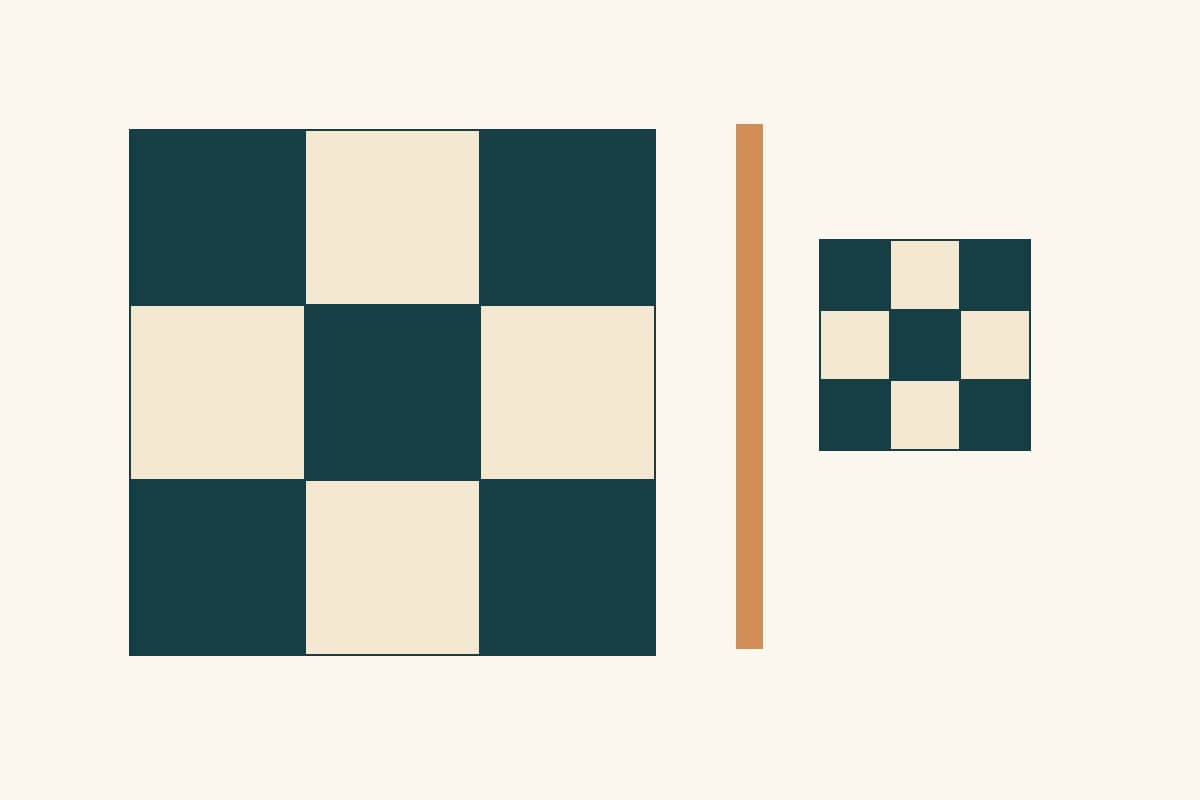
Compare desktop and browser workflows, cutting output and project migration before choosing an alternative to Electric Quilt 8.
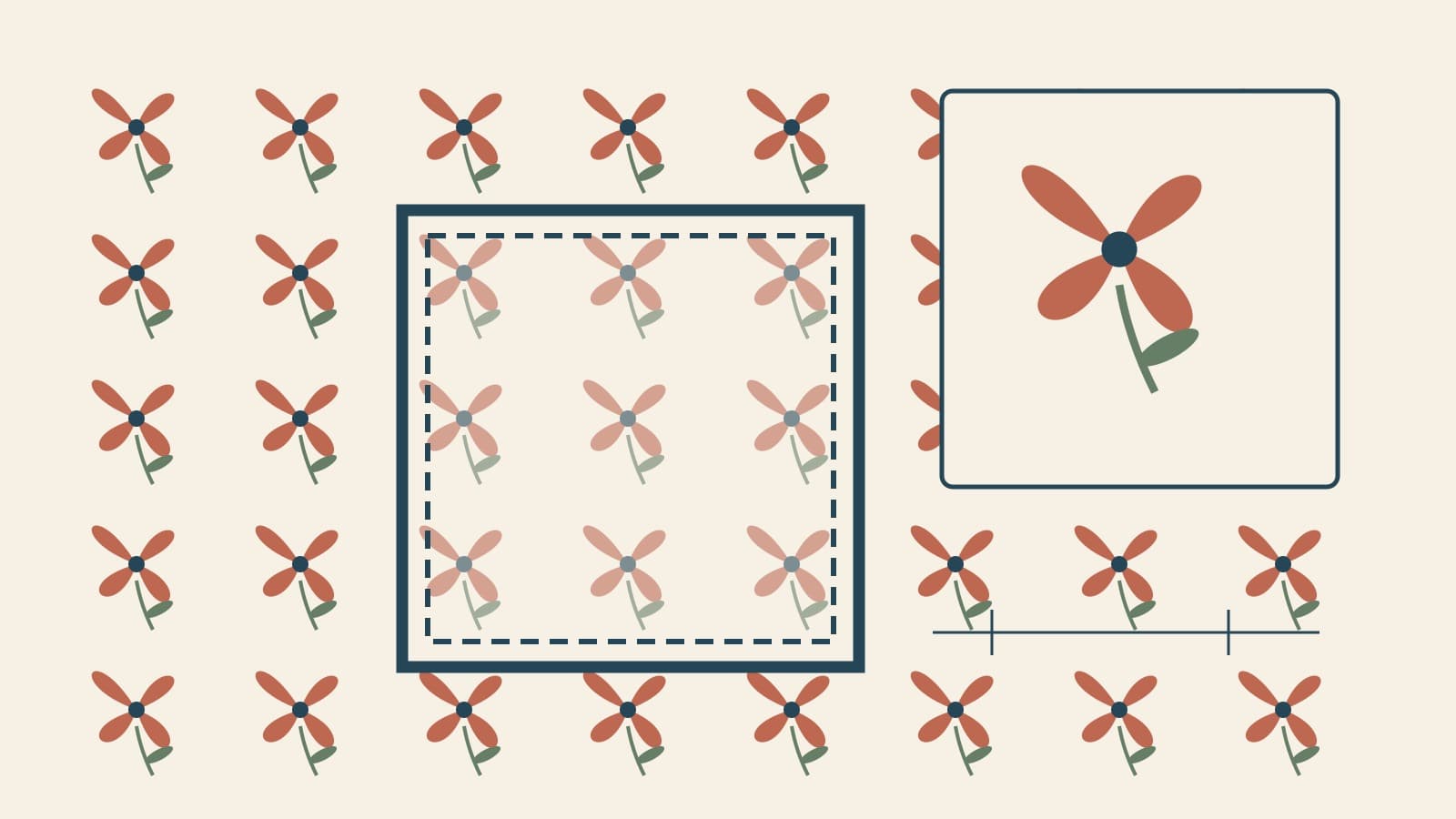
Frame the print, protect the seam allowance and count usable repeats. A four-inch square example, plus a QuiltLab preview before you cut.
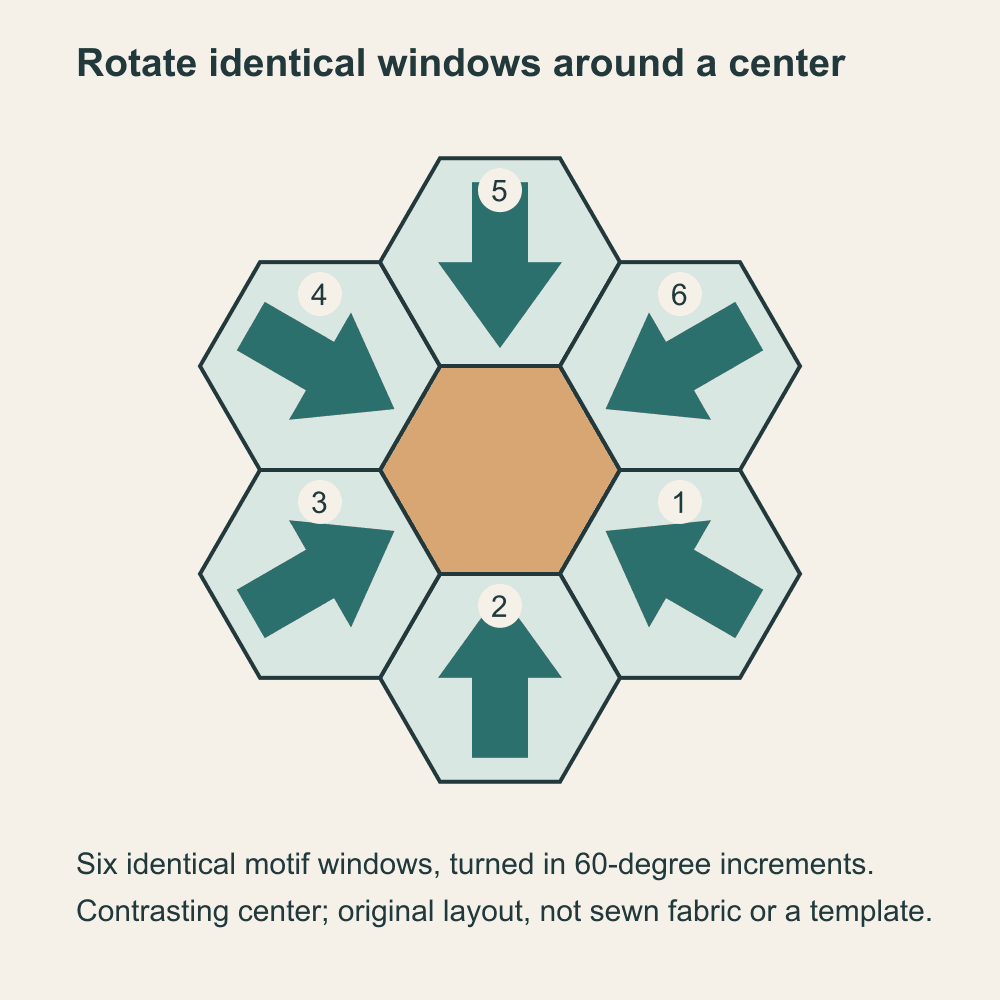
Count six matching motifs, record their orientation and preview a hexagon rosette before cutting the fabric.
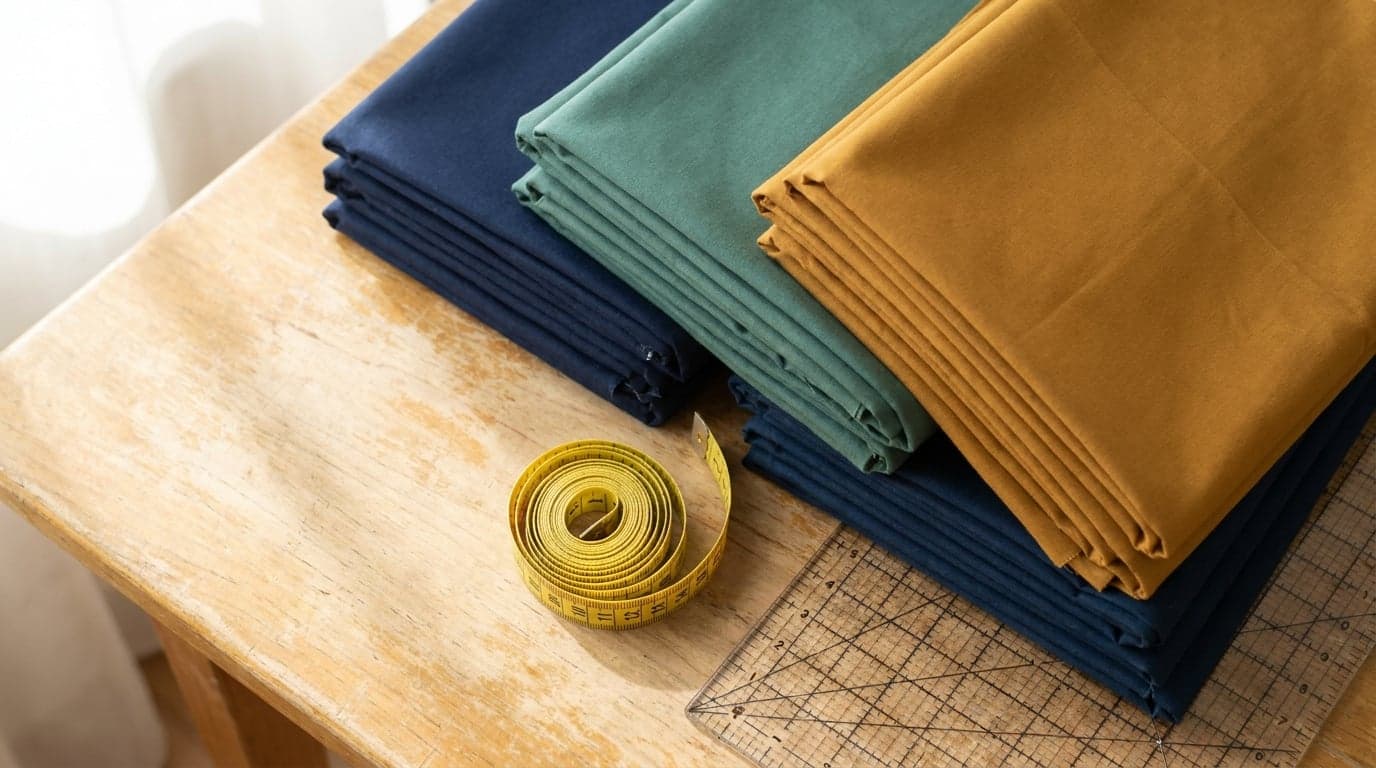
Work out quilt backing and binding yardage from your finished size, with the arithmetic shown for five example quilts on 42-inch fabric and 108-inch wideback.
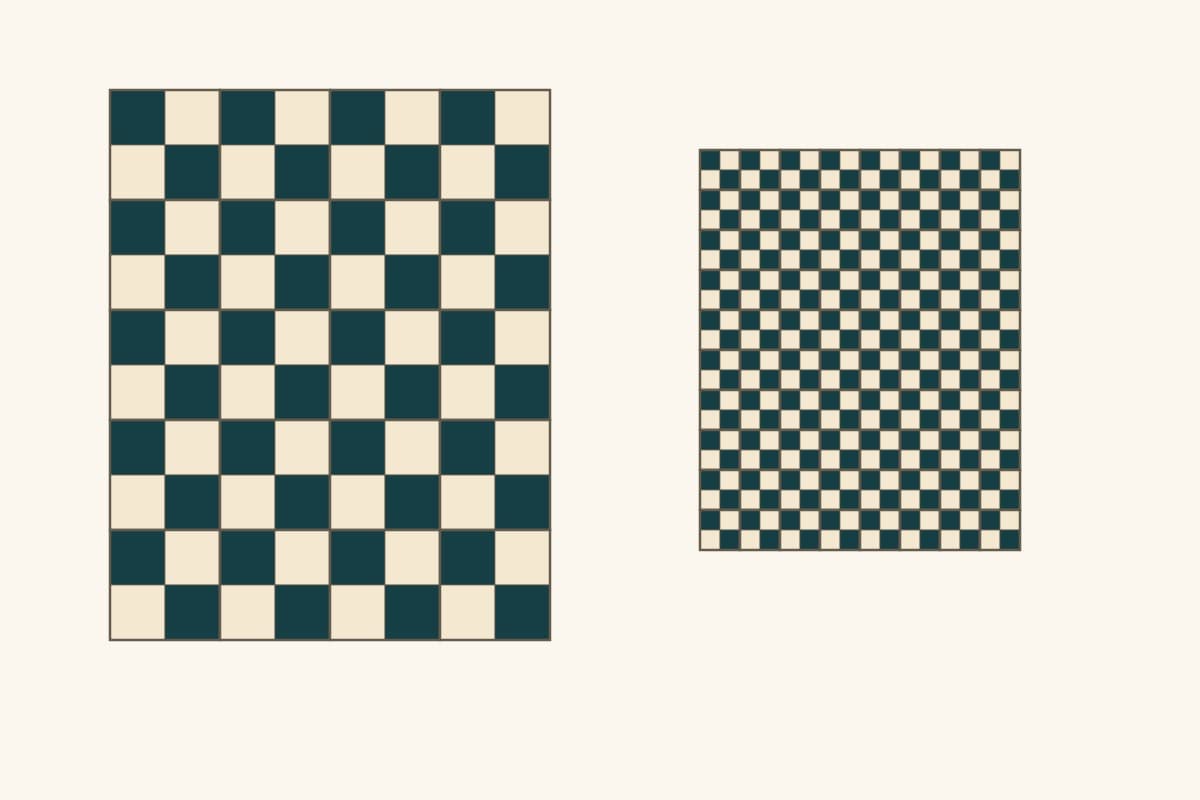
Plan a quilt you can actually make: choose its finished size, compare block counts, assign fabric roles and check the design before cutting.
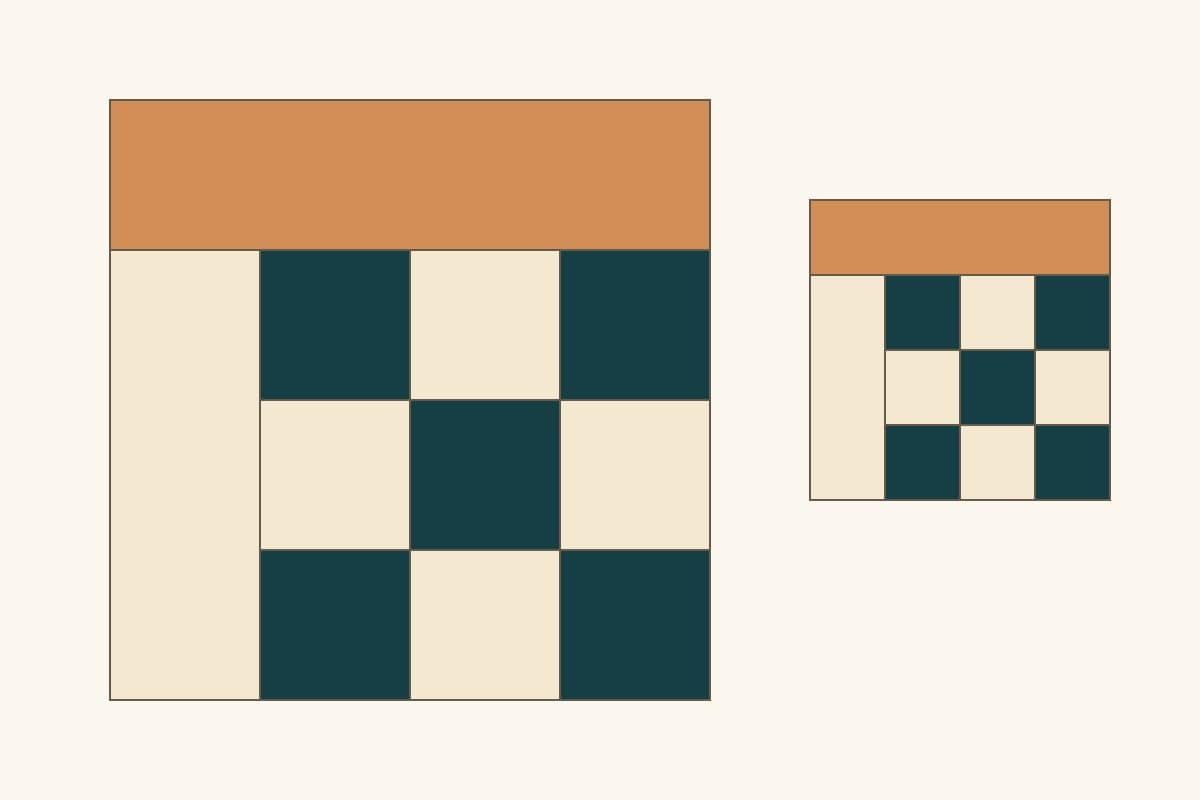
Draw an original block on a grid, check its assembly order, and turn finished measurements into a manual cutting plan with an 8-inch example.
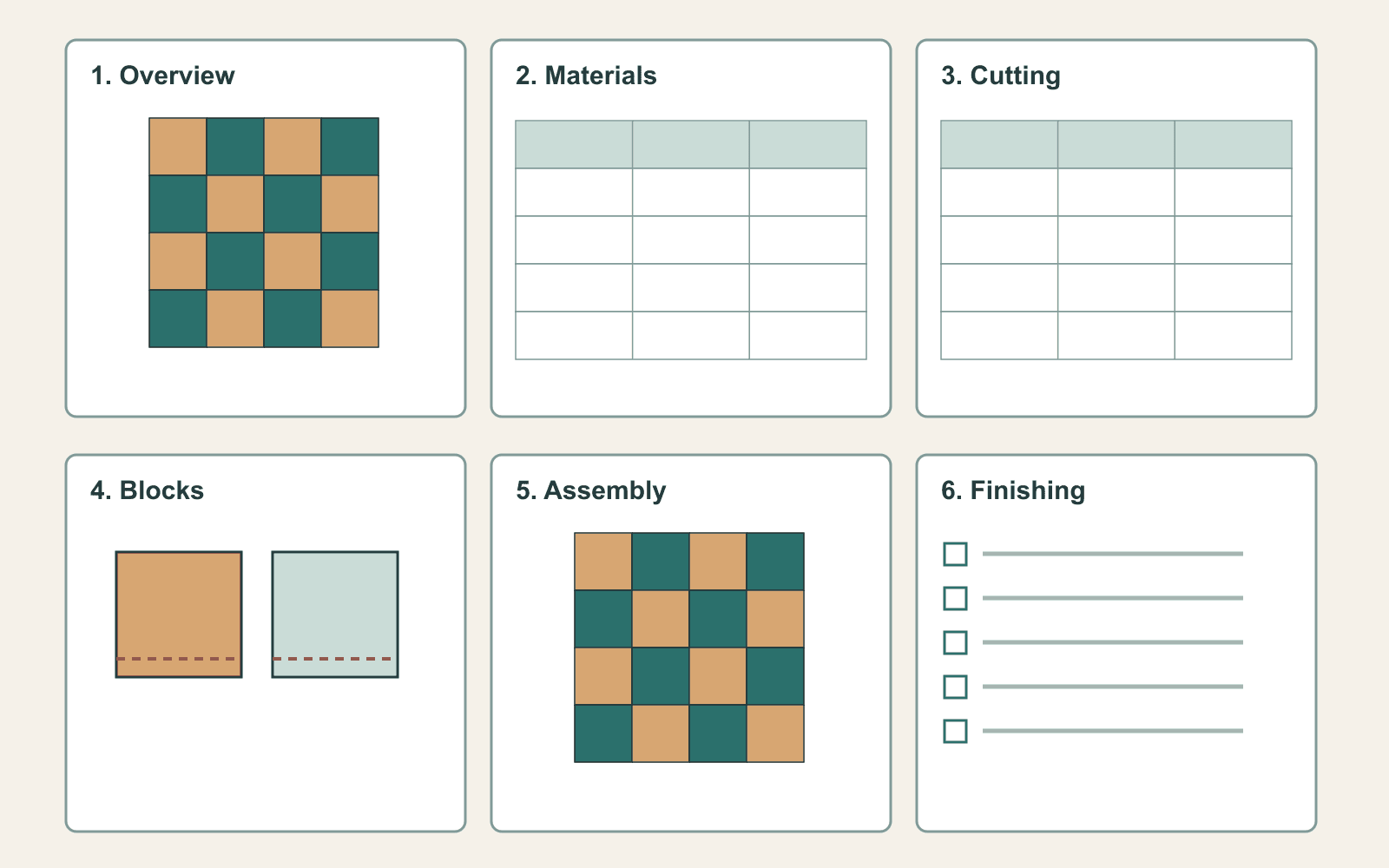
Turn a quilt design into a clear pattern with a page plan, checked quantities, useful diagrams and a testing process.
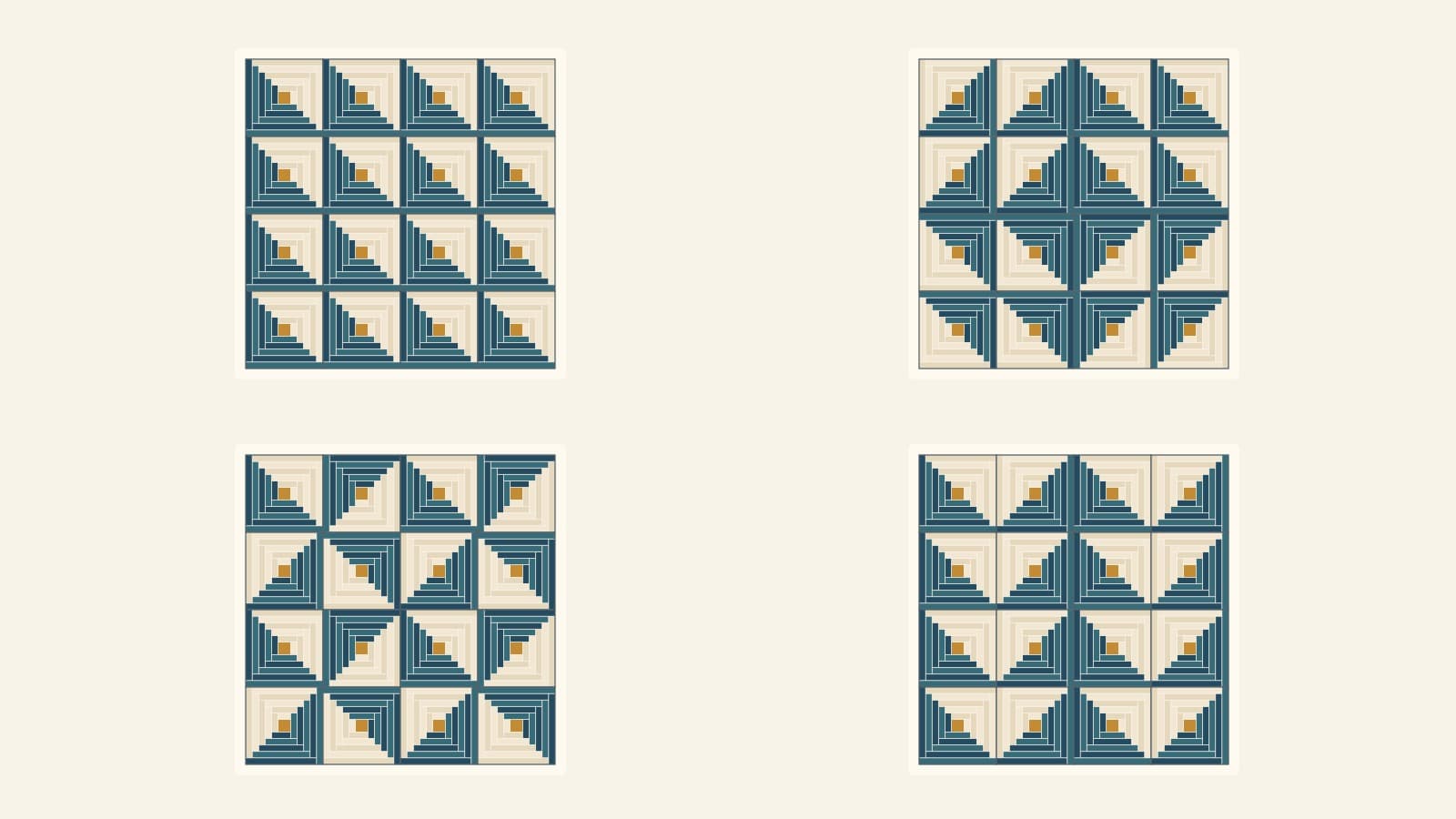
Compare Barn Raising, Straight Furrows, pinwheels and chevron rows using the same sixteen blocks and an original dark-corner orientation key.
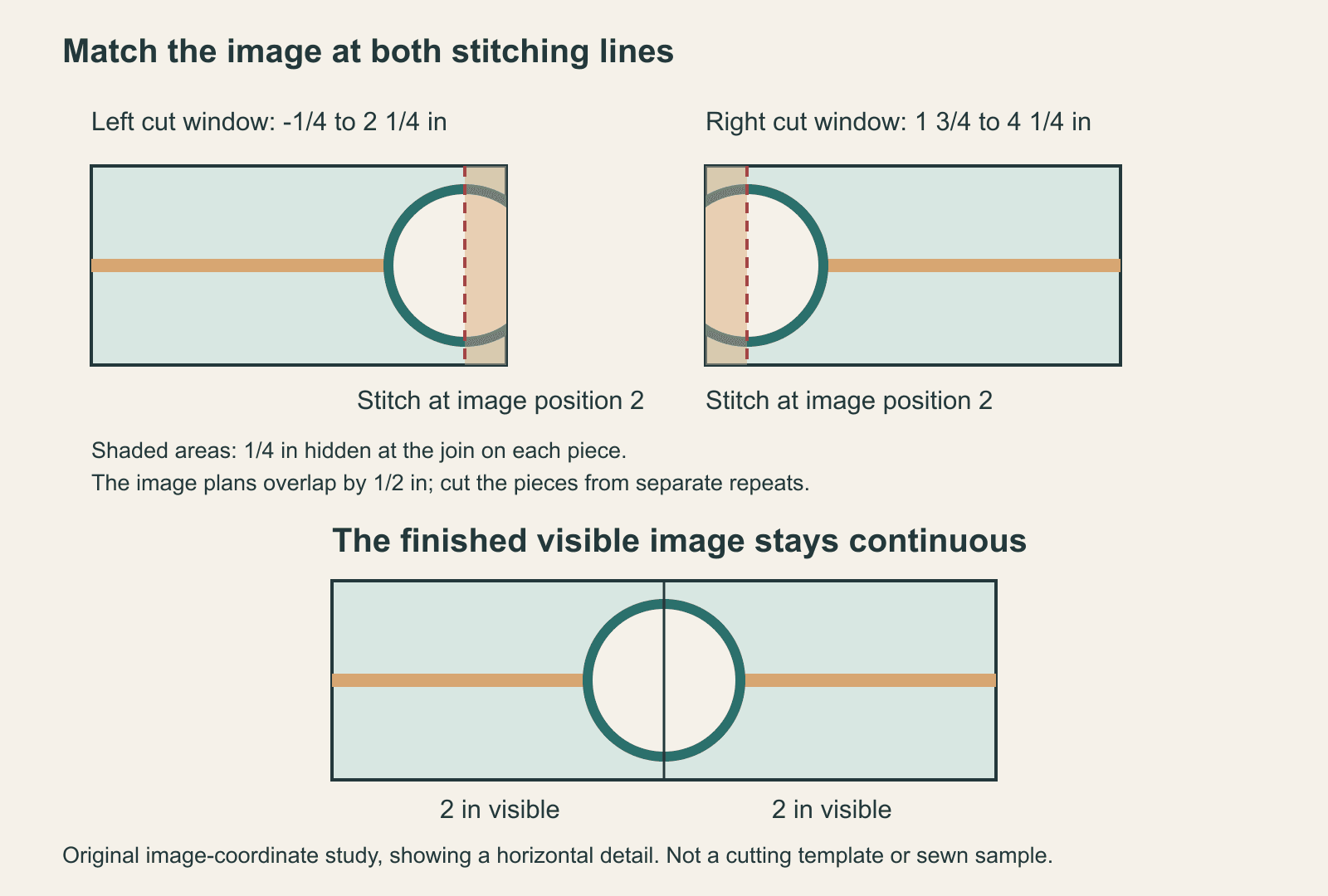
Align the printed image at the seam line, account for hidden allowances and check a small sample before cutting the main pieces.
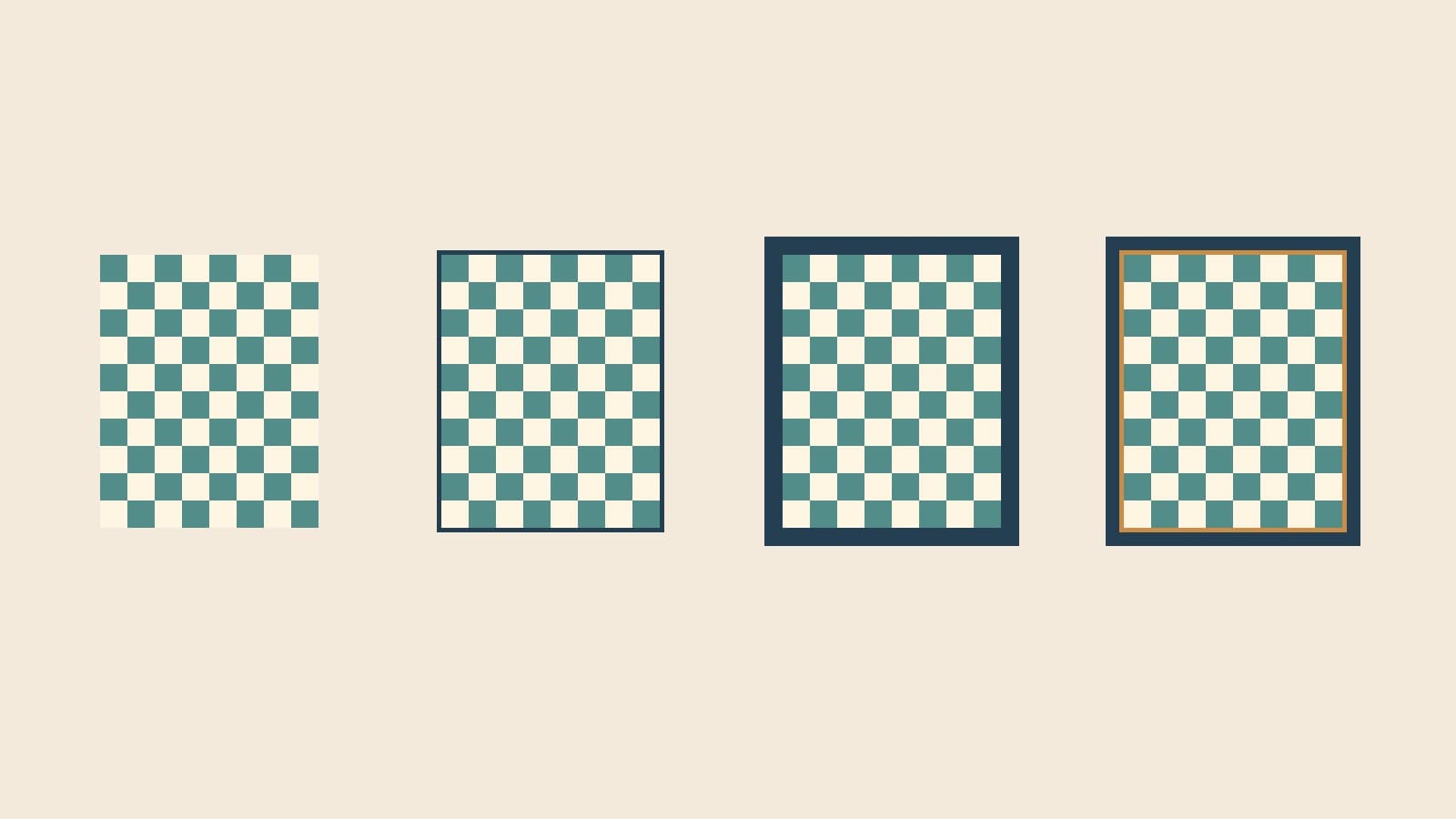
Compare border widths on one quilt center, calculate what they add, and choose corners and multiple borders with a clear purpose.
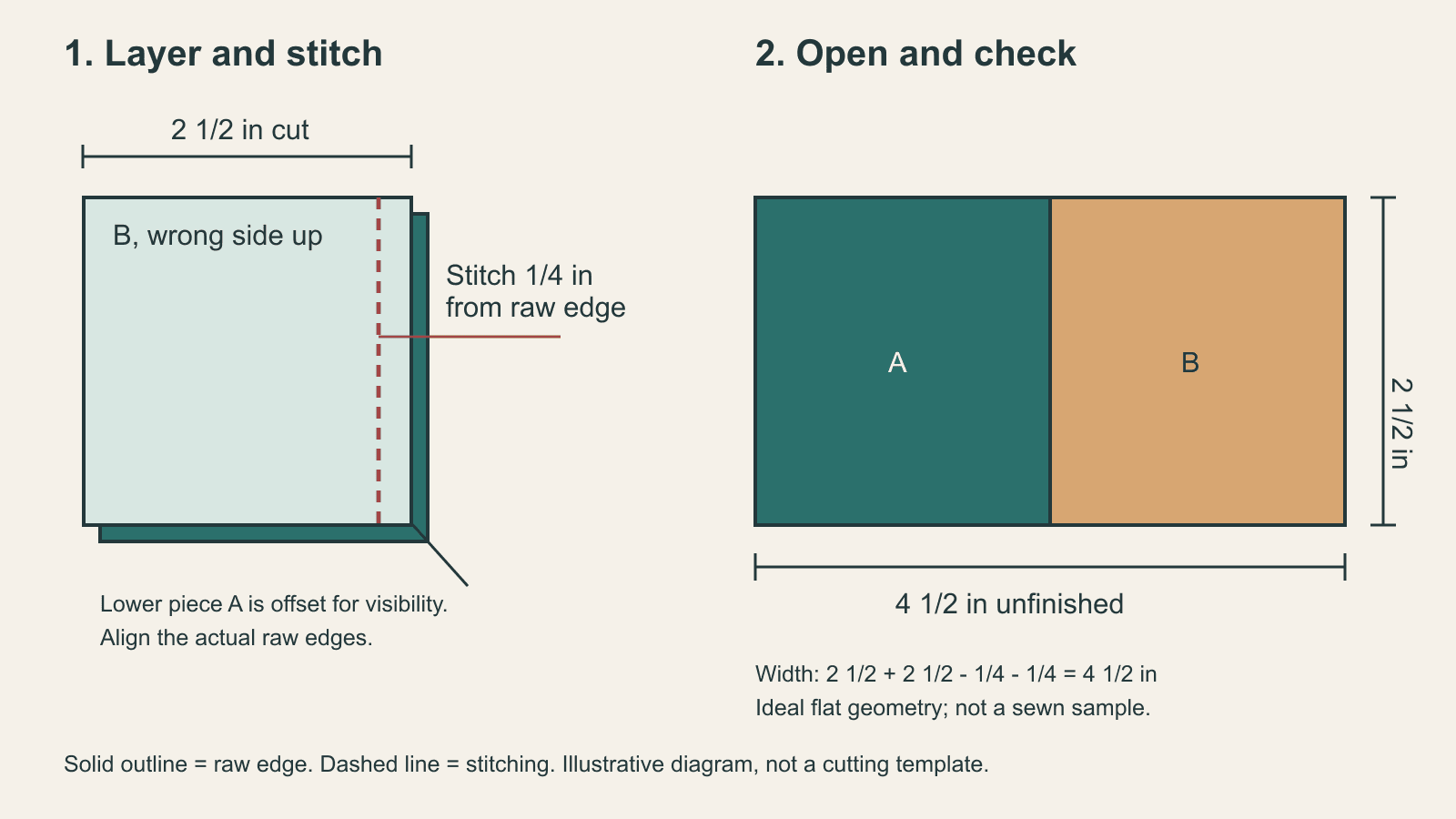
Make sewing steps easier to follow with clear fabric orientation, distinct line styles, stable labels and measurable checkpoints.
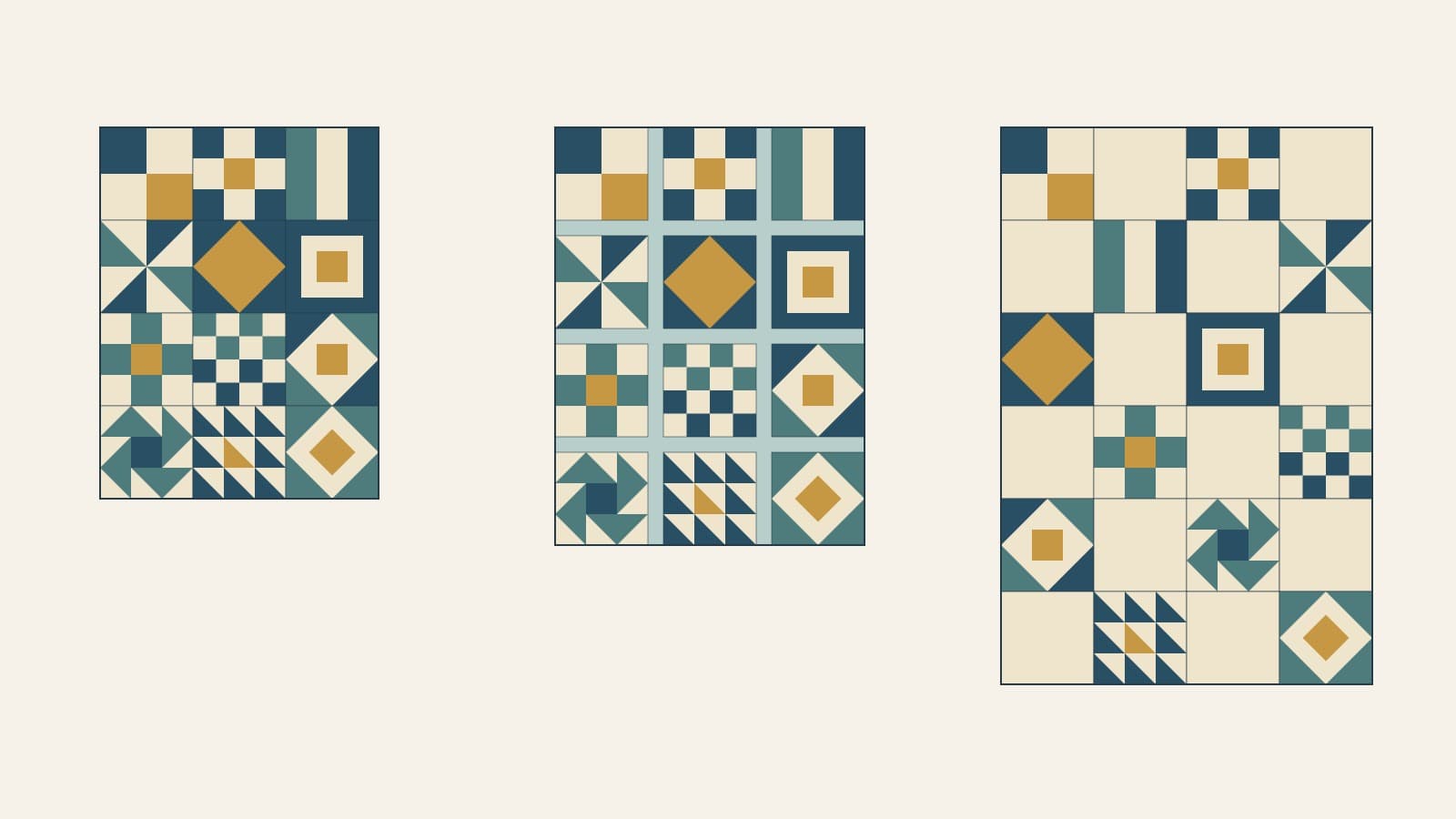
Compare three settings for twelve sampler blocks, check their finished dimensions, and record the decisions that make the blocks work together.
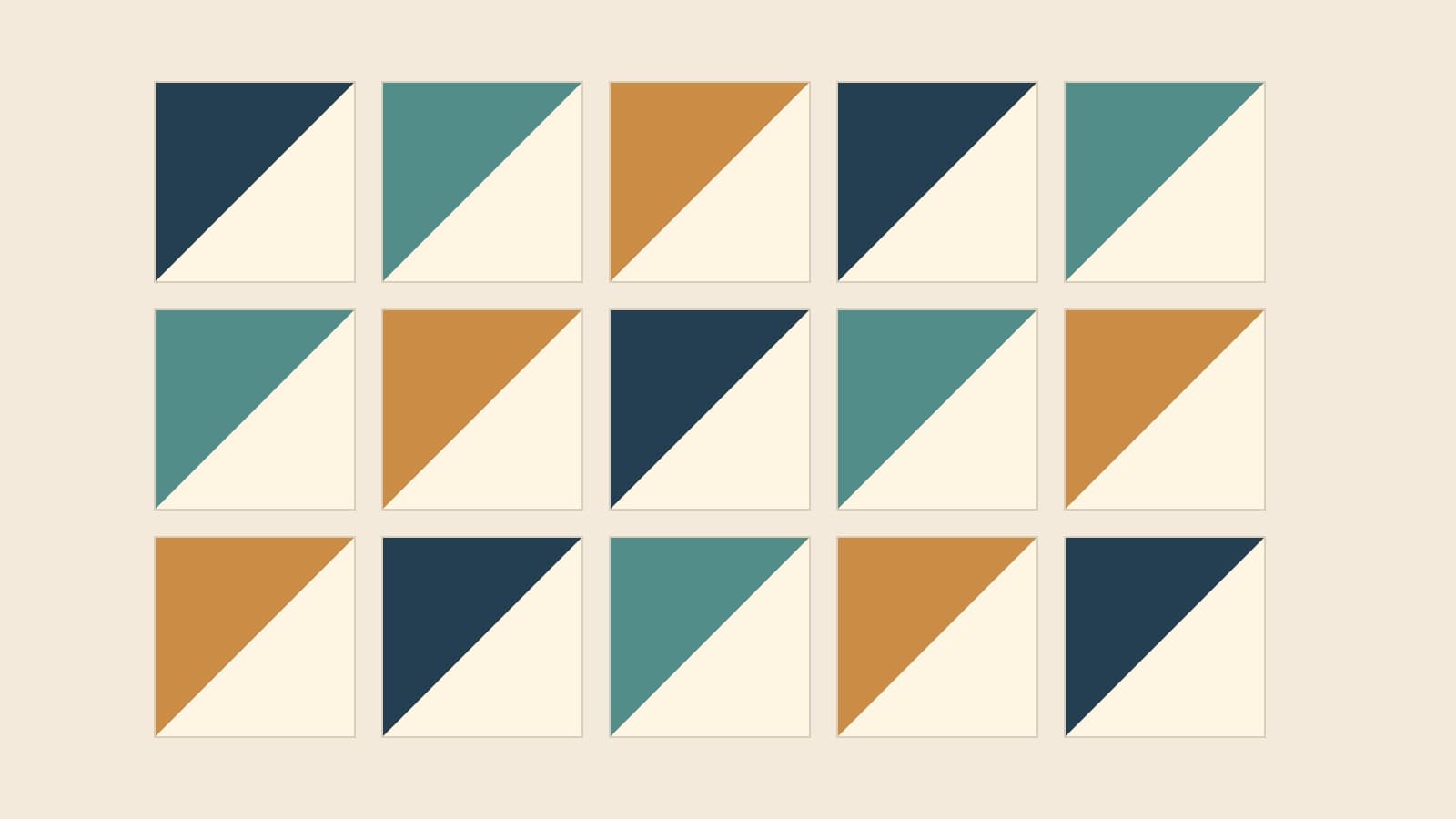
Choose starting squares for two-at-a-time half-square triangles, allow room to trim, and check a complete 48-unit cutting example.
One half-square triangle, seven named layouts. How to orient each unit, plus a 48-inch 8 × 8 you can try in QuiltLab before you sew.
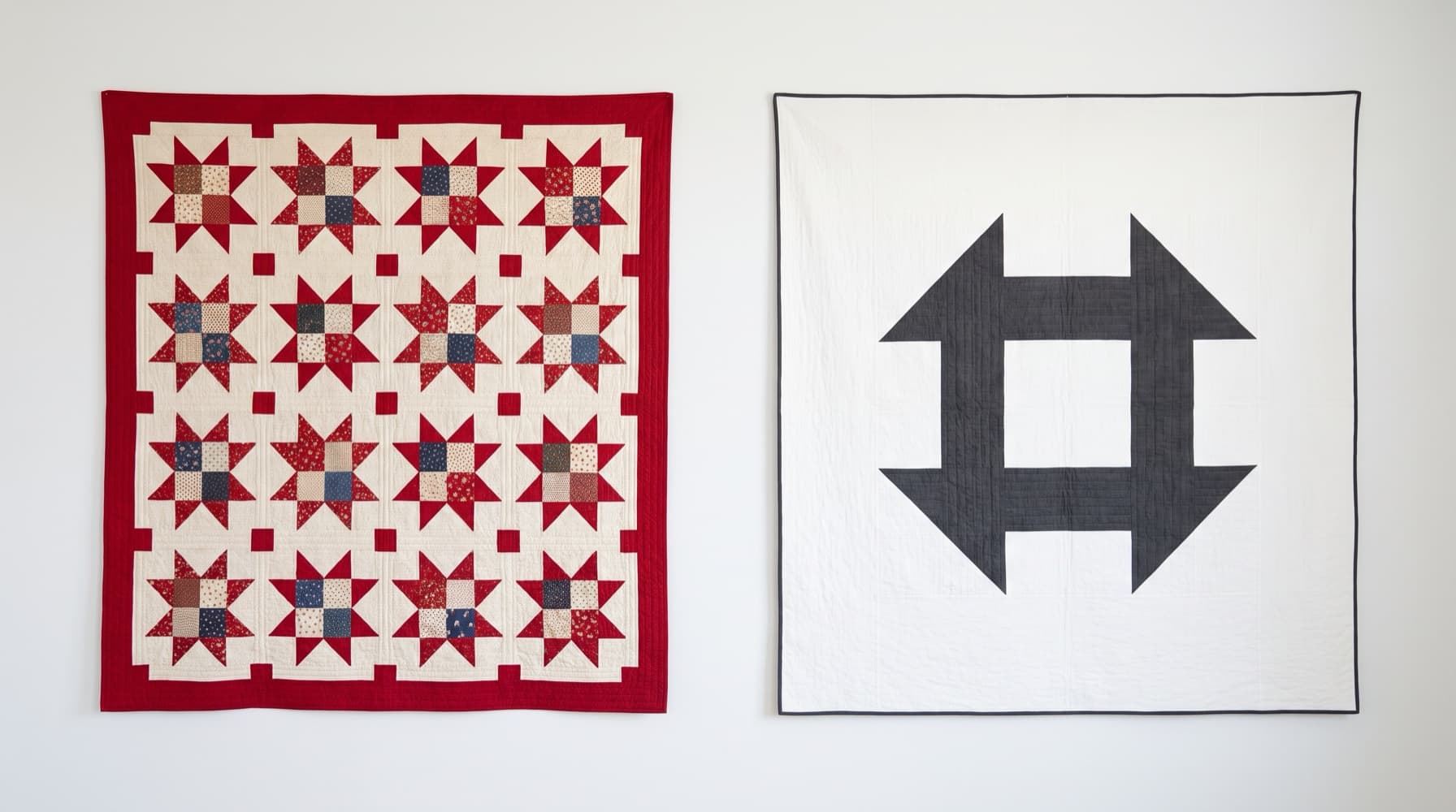
Fabric choice isn't what makes a quilt modern. Layout, scale, negative space and quilting do. Here's how to tell the two styles apart, and how to borrow from both on purpose.
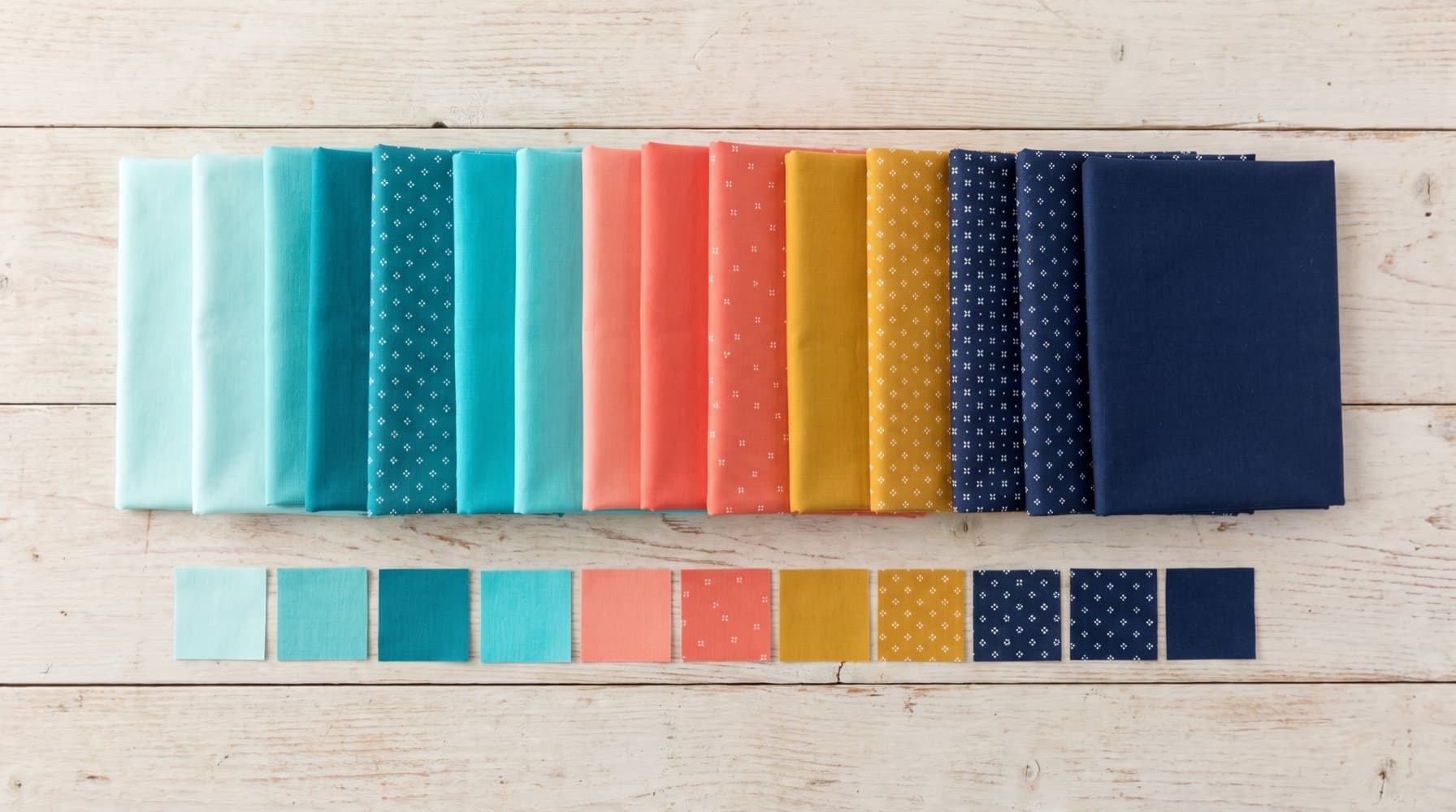
Most quilt color problems are value problems. This guide covers the four properties of fabric color, the classic schemes, and a fabric-pull process you can use on your next project.
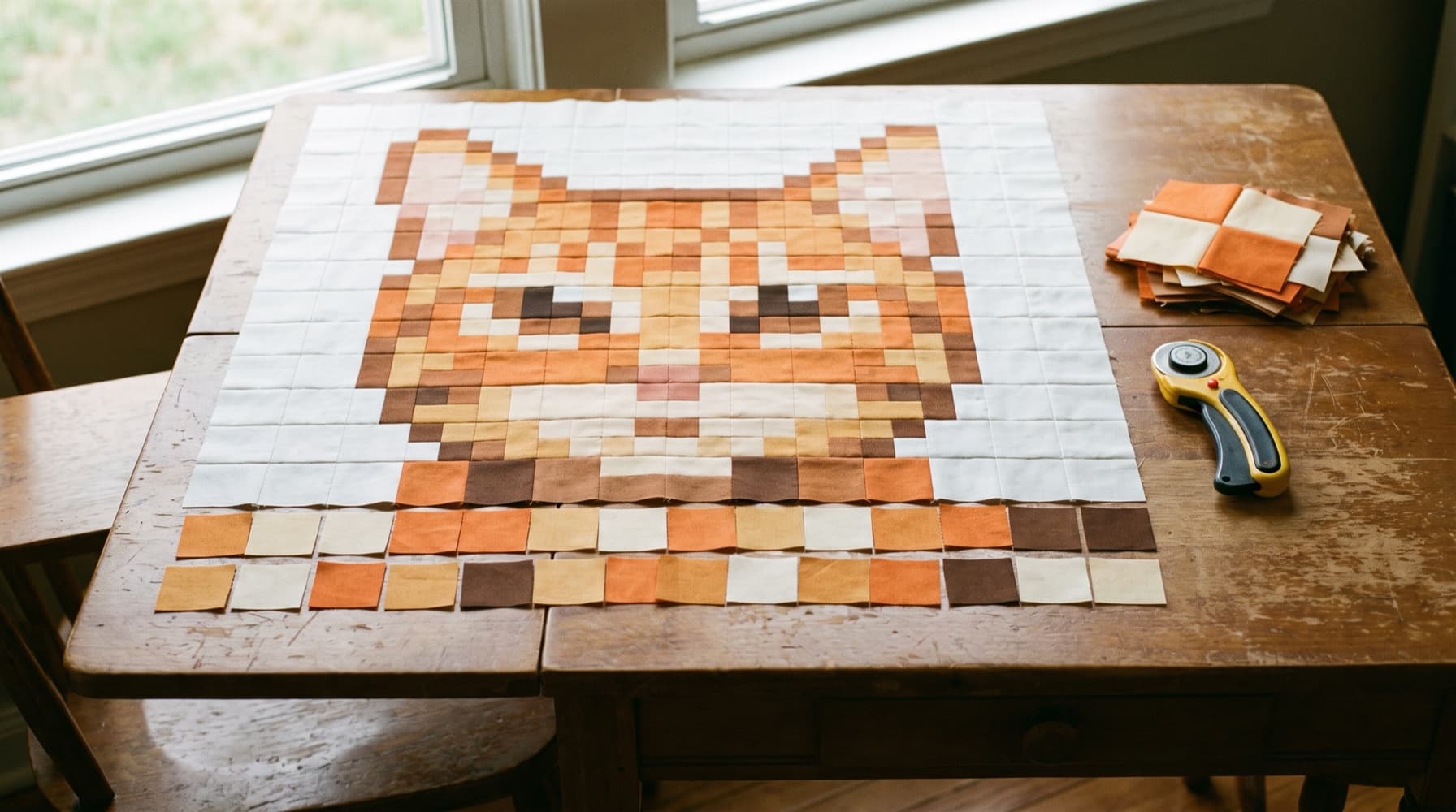
Choose a clear photo, check your mosaic and color key in QuiltLab, calculate square cuts and fabric, then sew one measured section at a time.
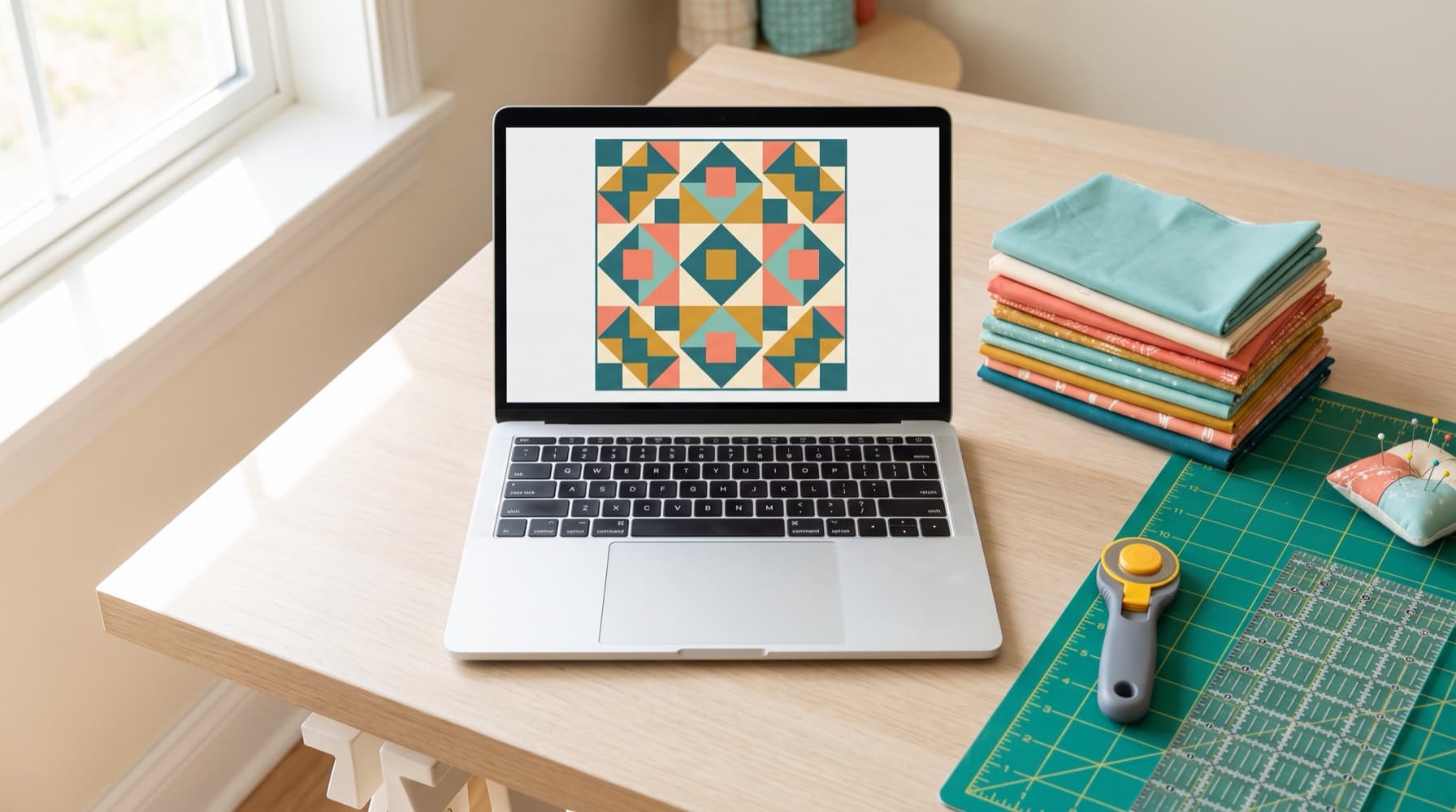
QuiltLab is a browser-based studio for designing quilts. Here's what each tool does, how they fit together, and where to start depending on what you want to make.
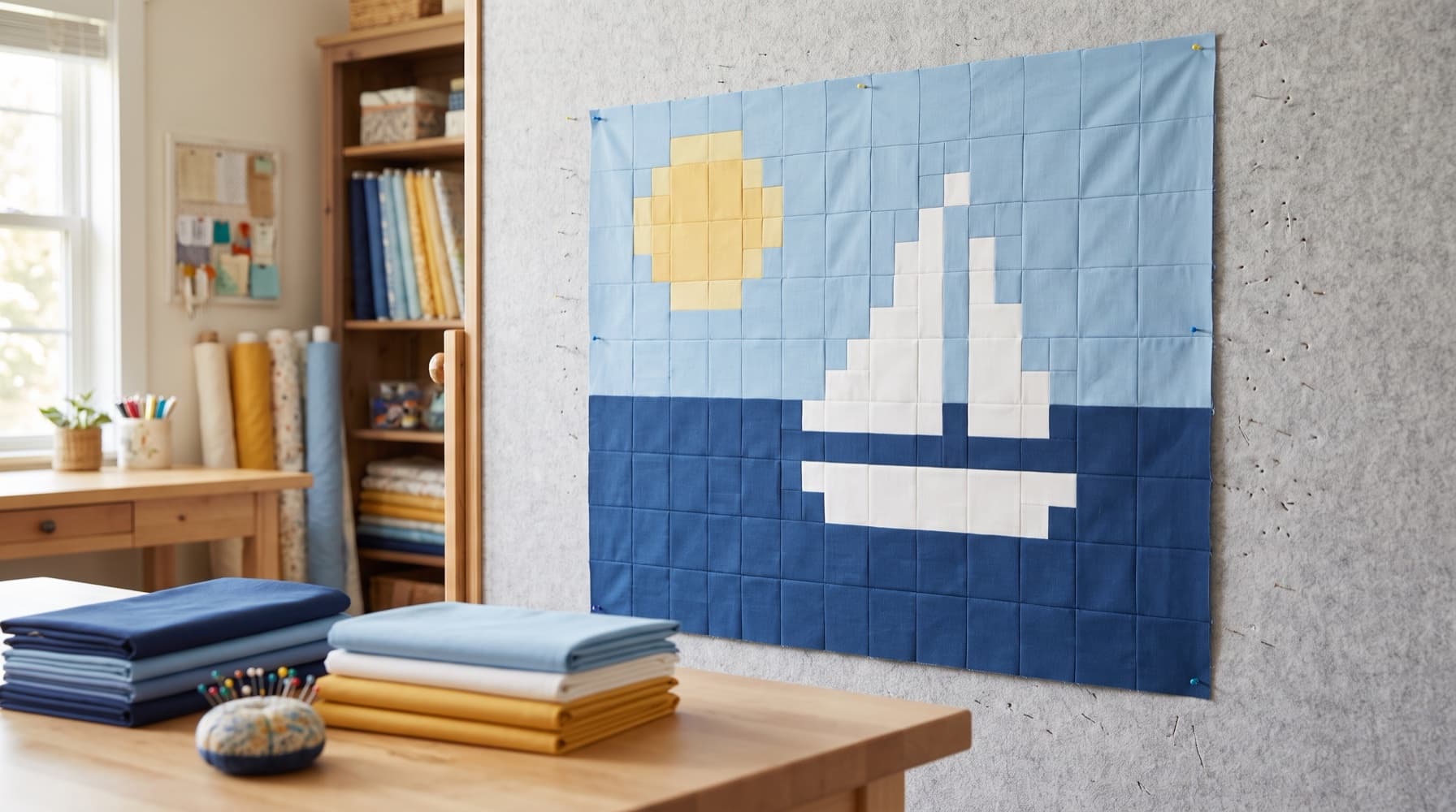
A correction to an earlier feature announcement, with verified editor capabilities, measurement limits and the difference between saving and sharing.
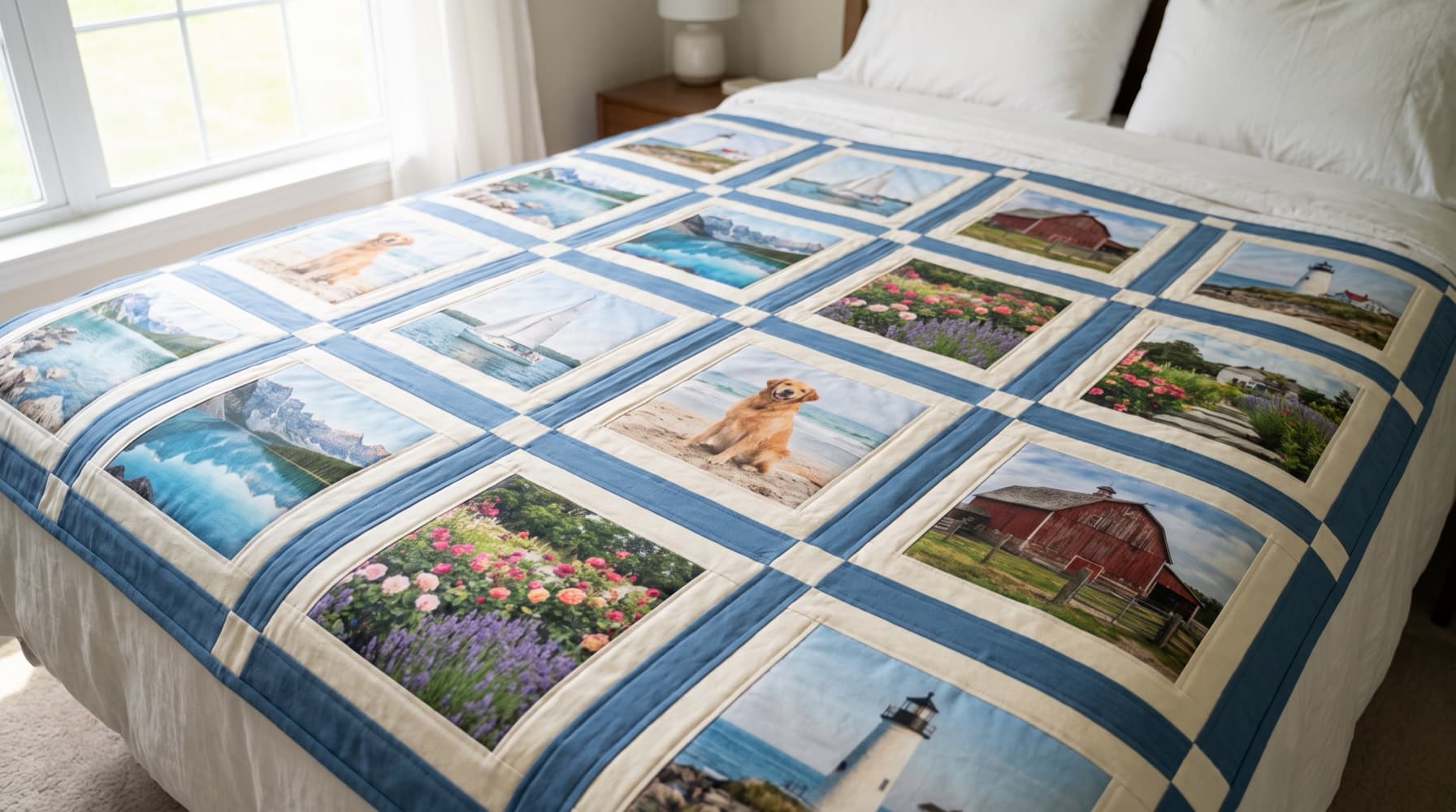
There are three ways to put a photo in a quilt, and each suits different pictures. Here are seven project ideas matched to the right technique, with layout sizes you can use.
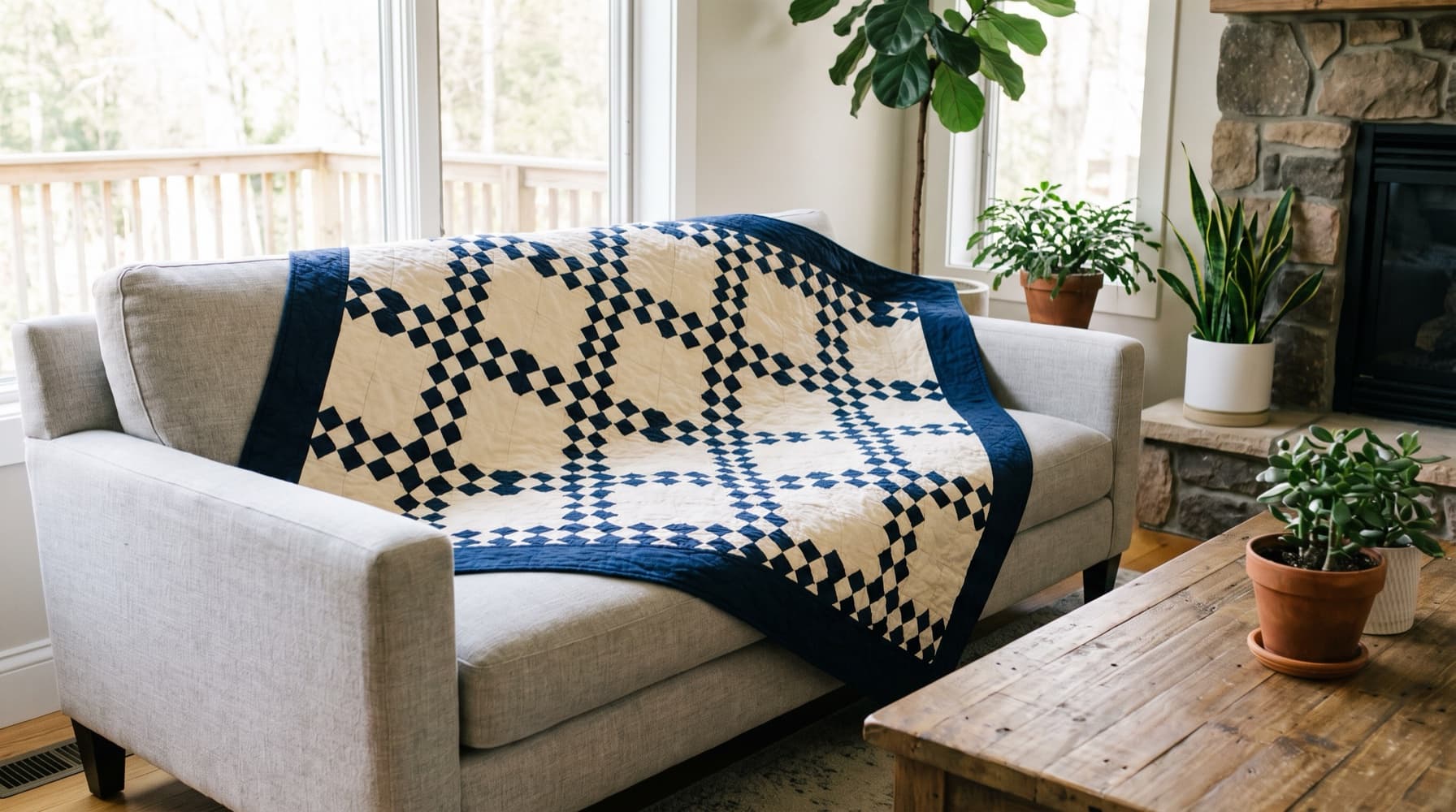
Plan a 68 x 80-inch nine-patch chain throw in QuiltLab, then check the separate cutting sizes, border lengths and fabric quantities.
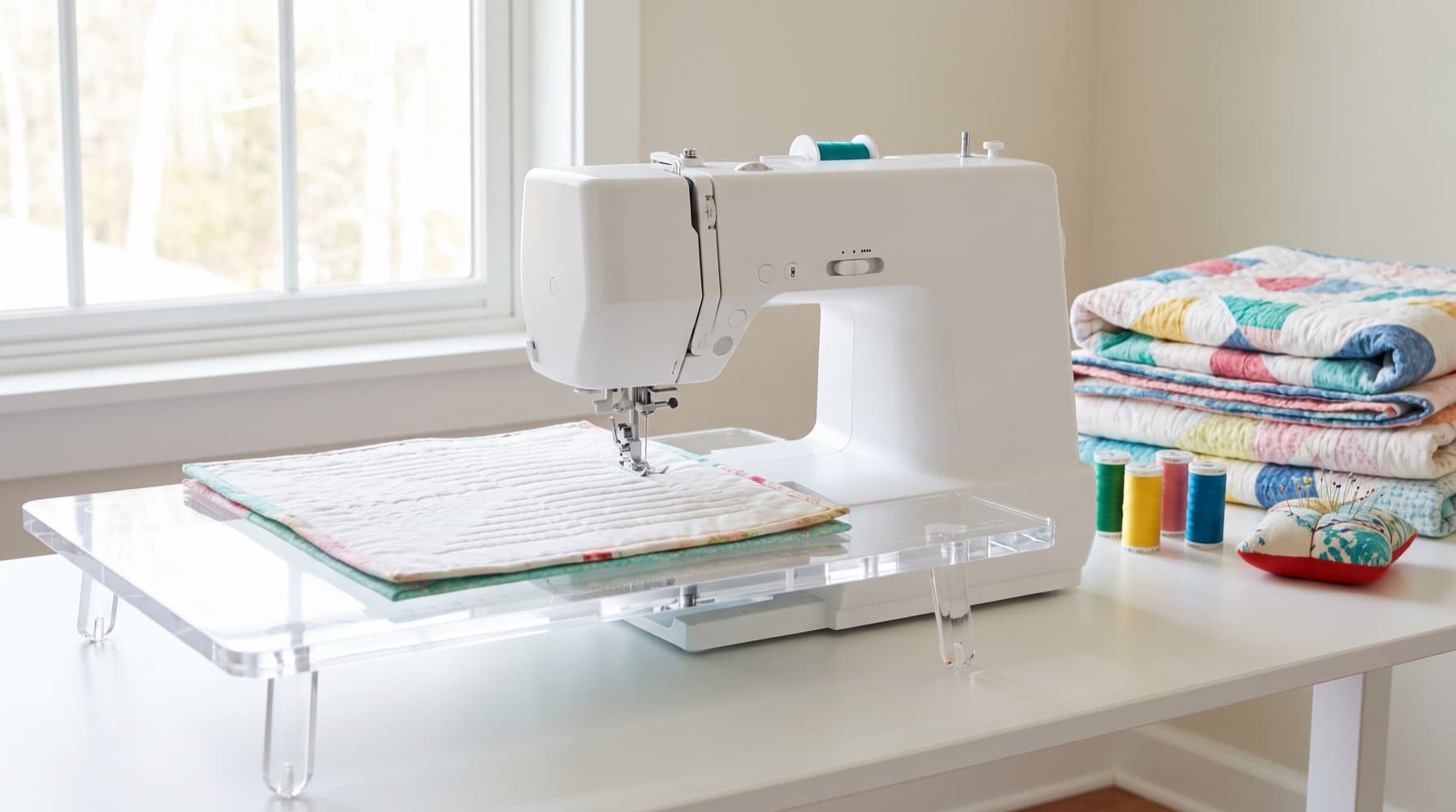
Compare five quilting machines by workspace, included accessories and the jobs you sew, with a practical dealer test and a total-cost worksheet.