Recycled / Eco-Friendly Batting
Overview
Recycled and eco-friendly battings are made from post-consumer materials such as recycled plastic bottles, reclaimed cotton, or a combination of sustainable fibers. These products appeal to the growing number of quilters who want to reduce their environmental footprint without compromising on quality. Modern recycled battings have come a long way and perform surprisingly well compared to their virgin-fiber counterparts.
The texture and quilting properties of recycled batting vary by brand and composition. Some recycled polyester battings feel nearly identical to their non-recycled versions, while recycled cotton blends may have a slightly different hand. The key selling point is sustainability — each quilt made with recycled batting keeps dozens of plastic bottles or pounds of textile waste out of landfills.
Best For
Environmentally conscious quilters, charity quilts, everyday quilts, and projects where sustainability is a priority
Pros & Cons
Pros
- +Reduces landfill waste and environmental impact
- +Often comparable in performance to virgin-fiber batting
- +Growing selection of products and brands
- +Feel-good factor — every quilt has a sustainability story
- +Typically mid-range pricing
- +Suitable for most quilting projects
Cons
- -Performance varies more between brands than established batting types
- -May contain a mix of fiber types — less predictable behavior
- -Not as widely available as cotton or polyester
- -Some quilters report inconsistent loft or texture
- -Marketing claims around "eco-friendly" can be vague — check certifications
- -Limited color options with some brands
Popular Brands
Quilters Dream Green
Made from a blend of bamboo, cotton, and polyester fibers. A genuine eco-friendly option.
Fairfield Nature-Fil
Made from recycled plastic bottles (PET). Performs like traditional polyester batting.
Pellon Nature's Touch
A natural cotton batting with minimal chemical processing. GOTS-certified organic option available.
Quilting Distance Notes
Quilting distance varies based on the specific fiber composition. Recycled polyester battings typically allow 8-10 inches between lines, while recycled cotton blends may need 4-6 inches. Always check the manufacturer's recommendations for your specific product, as recycled battings have more variation than established single-fiber types.
Washing & Care
Follow the care instructions for the dominant fiber type. Recycled polyester battings wash like regular polyester (machine wash, tumble dry low). Recycled cotton blends should be treated like cotton batting (expect some shrinkage). When in doubt, machine wash cold on gentle and tumble dry on low.
Color Options
Practical Tips
Fairfield Nature-Fil is a great gateway into recycled batting — it quilts exactly like regular polyester.
Use recycled batting for charity quilts — it adds a meaningful story to an already generous gift.
Check the actual fiber content, not just the marketing. "Eco-friendly" can mean different things across brands.
Recycled batting is a great conversation starter at quilt guild show-and-tell.
Quick Specs
- Loft
- Medium
- Weight
- Varies by composition, typically 4-6 oz per yard
- Shrinkage
- 1-3% (varies by fiber content)
- Max Quilting Distance
- Up to 6-8 inches apart (varies by brand)
- Breathability
- Warmth
- Price Range
- $$
Free patterns to try
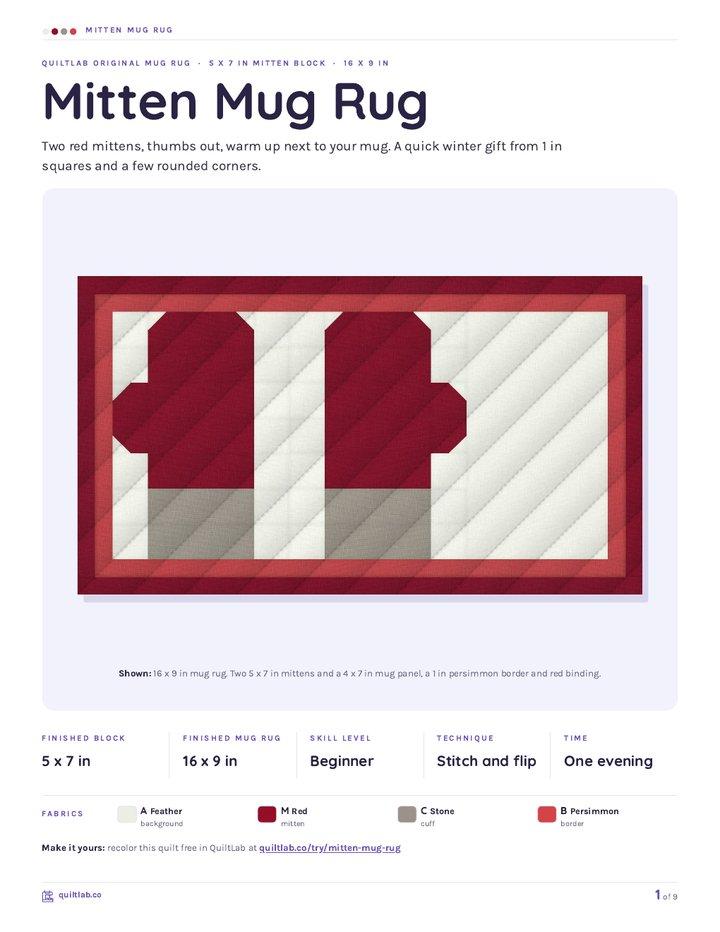
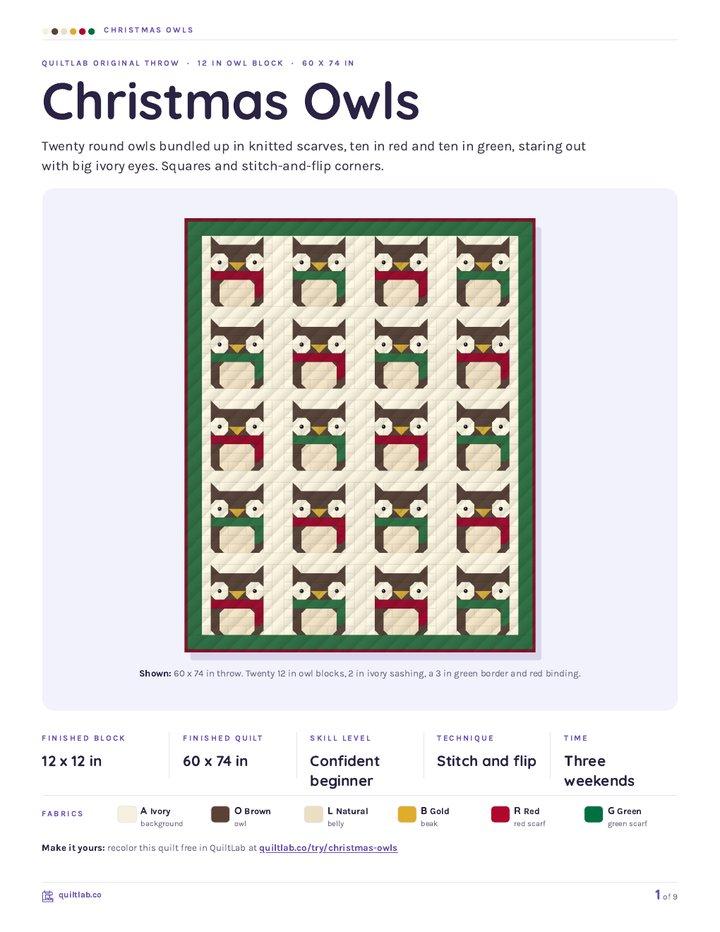
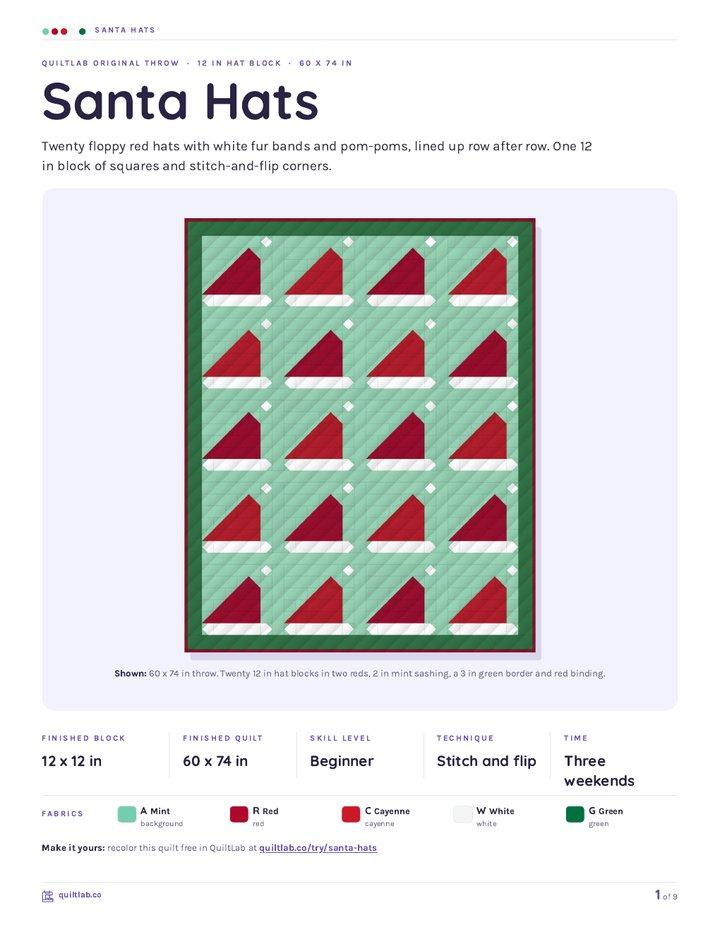
Printable PDF patterns with cutting charts and diagrams, free to download.
Plan the quilt this batting goes in
Lay out blocks and try colors in QuiltLab's grid editor before you cut. Still choosing? The batting selector matches batting to your project and budget.
Free forever, no card needed.
Get quilting tips by email
QuiltLab updates, tips and quilting inspiration. Unsubscribe anytime.