


How Long Does It Take to Make a Quilt? Work Out Your Own Time
A simple throw quilt usually takes two to four weeks of spare-time sewing. A simple baby quilt can be done in one or two weekends, while a king or an intricate design can take several months or more. Those ranges come from Becky Jorgensen's Patchwork Posse guide, and she notes your pace and schedule will change them.
Hands-on hours vary even more. Art quilter Timna Tarr kept a log for one 63-inch quilt and counted about 100 hours, including about 20 she estimated for shopping and design thinking.
The number that matters for your quilt is your own pace. Time one small batch of your block, add the other stages, and divide by the time you can sew each week. Below, we walk through that for a 48 x 72-inch quilt. The times in the example are numbers we chose to show the math, so swap in your own as you go.
Decide what "finished" means
Pick the finish line before you start the clock. A pressed top, a top ready for a longarm quilter, a bound quilt and a washed, labeled gift are four different deadlines.
Read the whole pattern first, so no stage surprises you. Our pattern-reading guide helps you find the assembly order and every measurement.
Keep two numbers separate:
- Hands-on time is the minutes you actually spend cutting, sewing, pressing and quilting.
- Calendar time is how long the project takes from start to finish. Fabric shipping, a longarmer's queue and weeks you don't sew all stretch it without adding work.
Tarr's log shows the difference. She sewed from November to early February, about three months on the calendar, for roughly 80 hours of hands-on work.
List every stage
Write down each stage your quilt needs:
- Plan and choose fabric.
- Prewash if you do, then cut.
- Make the blocks.
- Sew the top together.
- Prepare the backing and baste.
- Quilt.
- Make and attach the binding.
- Label, add a sleeve if it will hang, and do a final check.
Jorgensen's stage notes make a useful cross-check. She suggests a couple of hours to cut a small quilt and a couple of evenings for hand binding. She also warns that sending a quilt to a longarmer can add weeks before you get it back.
Time a batch of blocks
Sew a practice block first. It teaches you the steps and checks your seam allowance. Christine Mann's quarter-inch seam test at New Quilters takes five minutes: sew three 1-1/2-inch strips together, press, and the center strip should measure exactly 1 inch. A fast block that comes out the wrong size won't help your estimate.
Then time a small batch with the fabric and method you'll really use. Write down exactly what the batch covers, for example: pieces already cut; sew, press and check four blocks. Cutting isn't in that batch, so it gets its own line later.
Time a second batch in another session. Two timings give you a low and a high number, which is more honest than one. Note any interruptions or mistakes.
If your pattern uses strip piecing, time one strip set through subcutting and sewing. Chain piecing and strip sets change the unit of work, so a single-block timing can mislead you.
Turn the batch into a block total
Our example quilt has four columns and six rows of 12-inch finished blocks, with no sashing or border. That's 24 blocks and a 48 x 72-inch top.
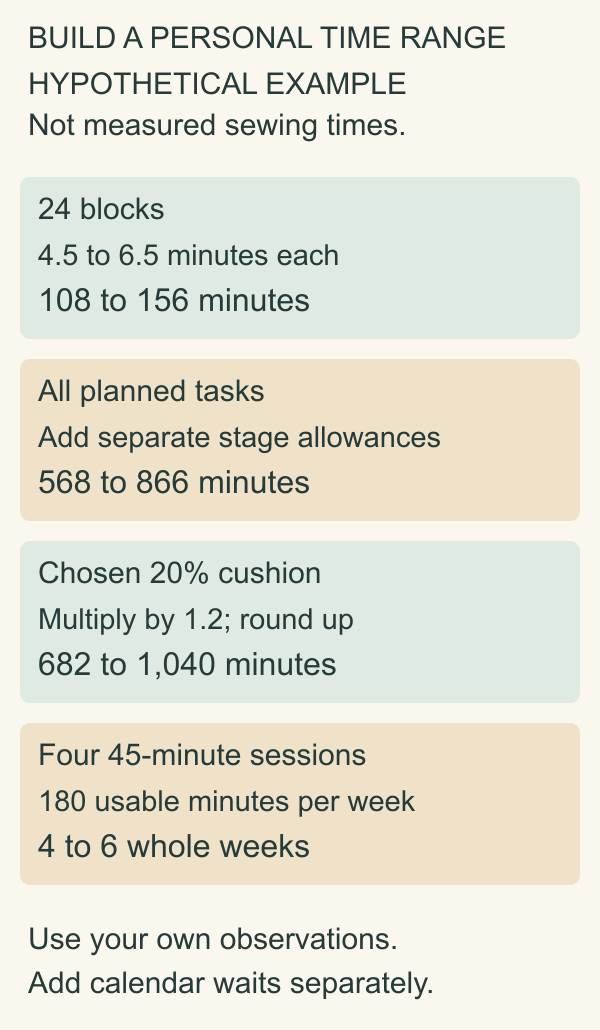
Say the four-block batch takes 18 to 26 minutes. Divide by four:
- Low: 18 / 4 = 4.5 minutes per block.
- High: 26 / 4 = 6.5 minutes per block.
- All 24 blocks: 24 x 4.5 = 108 minutes to 24 x 6.5 = 156 minutes.
If the four timed blocks are keepers, only 20 blocks remain. That's 90 to 130 minutes of block work left.
If your quilt has more than one block type, time each type. Two blocks with the same finished size can take very different times. Applique, curved seams, matched directional prints and small units all need their own timing.
Add the other stages
Here's the full worksheet. The block row comes from the batch rate. The other rows are allowances we picked for the example; fill in your own from your notes or a past quilt.
| Stage | Low minutes | High minutes | Source in this example |
|---|---|---|---|
| Plan and choose fabric | 45 | 75 | Example allowance |
| Cut the pieces | 60 | 90 | Example allowance |
| Make 24 blocks | 108 | 156 | Four-block batch rate |
| Sew the top together | 40 | 60 | Example allowance |
| Prepare backing and baste | 50 | 80 | Example allowance |
| Quilt | 150 | 240 | Example allowance |
| Make and attach binding | 100 | 140 | Example allowance |
| Label and final check | 15 | 25 | Example allowance |
| Total hands-on time | 568 | 866 | 9 h 28 m to 14 h 26 m |
Give top assembly its own line. Sewing long rows together takes more handling than sewing a block. Quilting is the same: a small practice sandwich helps you choose a design, but moving a full quilt under the needle is slower.
Our walking foot vs. free-motion guide can help you choose a quilting method. If you're sending the quilt out, take quilting off your hands-on list. Keep backing prep, and add the quilter's turnaround to your calendar.
Add a cushion
Things go wrong. You unpick a seam, run short of a fabric, or learn a new technique as you go. Add a cushion so the estimate survives it.
We used 20% for this example. Multiply both totals by 1.2:
- 568 x 1.2 = 681.6 minutes
- 866 x 1.2 = 1,039.2 minutes
Rounded up, the budget is 682 to 1,040 minutes, or about 11 hours 22 minutes to 17 hours 20 minutes. Use a bigger cushion for a new technique and a smaller one for a pattern you've made before. Keep the totals before and after the cushion, so you can tell which is which when you update them.
Turn minutes into weeks
Now look at your week. Say you can sew four 45-minute sessions a week. That's 180 minutes a week.
- 682 / 180 = about 3.8 weeks
- 1,040 / 180 = about 5.8 weeks
Round up to four to six weeks. That's longer than Jorgensen's two-to-four-week throw range because three hours a week is a light schedule. At six hours a week (360 minutes), the same quilt takes 682 / 360 = about 1.9 to 1,040 / 360 = about 2.9 weeks, or two to three weeks.
The division assumes the whole session is sewing time. If getting out and putting away your machine eats 10 minutes, either include it in your batch timings or take it off each session. Do one or the other, never both. Some stages, like basting, go better in one long session, so check you have a slot that fits.
Add weeks you won't sew, shipping and any longarm queue on top.
Your next step
Time your next batch of four blocks this week and fill in your own worksheet. Check it again after a few batches and once the top is together. Swap your guesses for real counts and timings, and the finish date gets more reliable each time.
If you're still settling the layout, the Quilt Editor can give you the block count to multiply. Set up a Grid quilt and its status bar shows the quilt's size and how many blocks you've placed.
Related posts
Choosing Quilt Block Size: Which Size Fits Your Quilt?
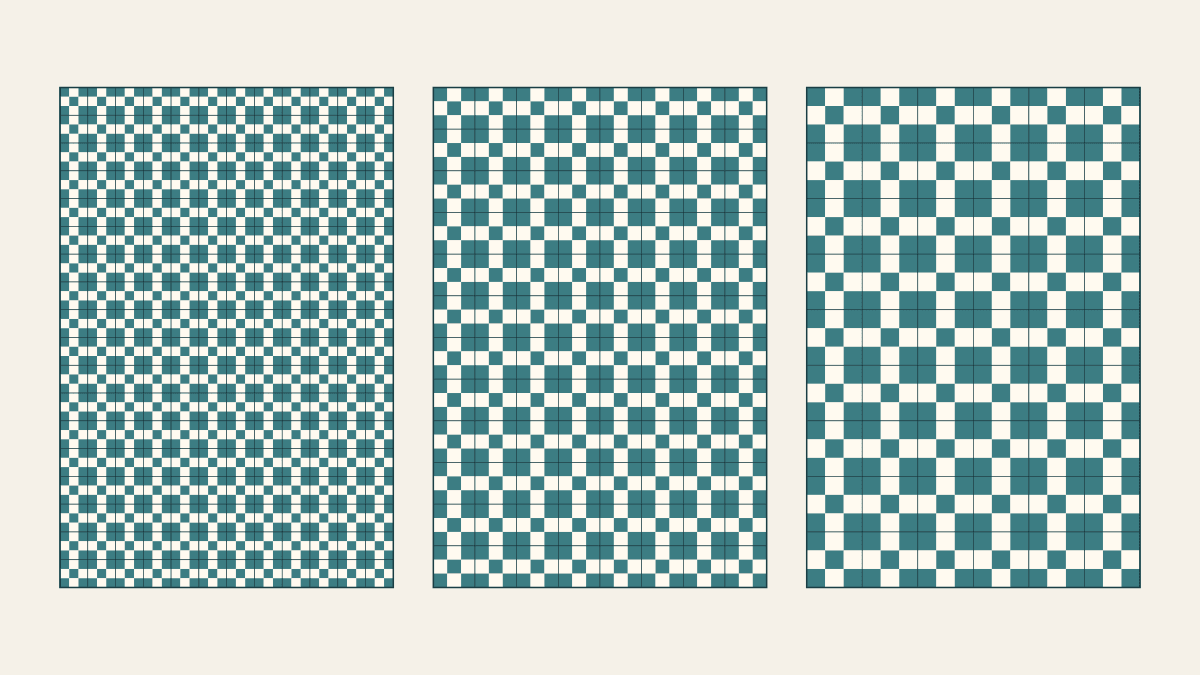
Compare three Nine Patch scales for one quilt footprint, count the joining work for a stated method, and audition prints at patch size.
How to Make a Quilt Pattern Smaller Without Losing the Center
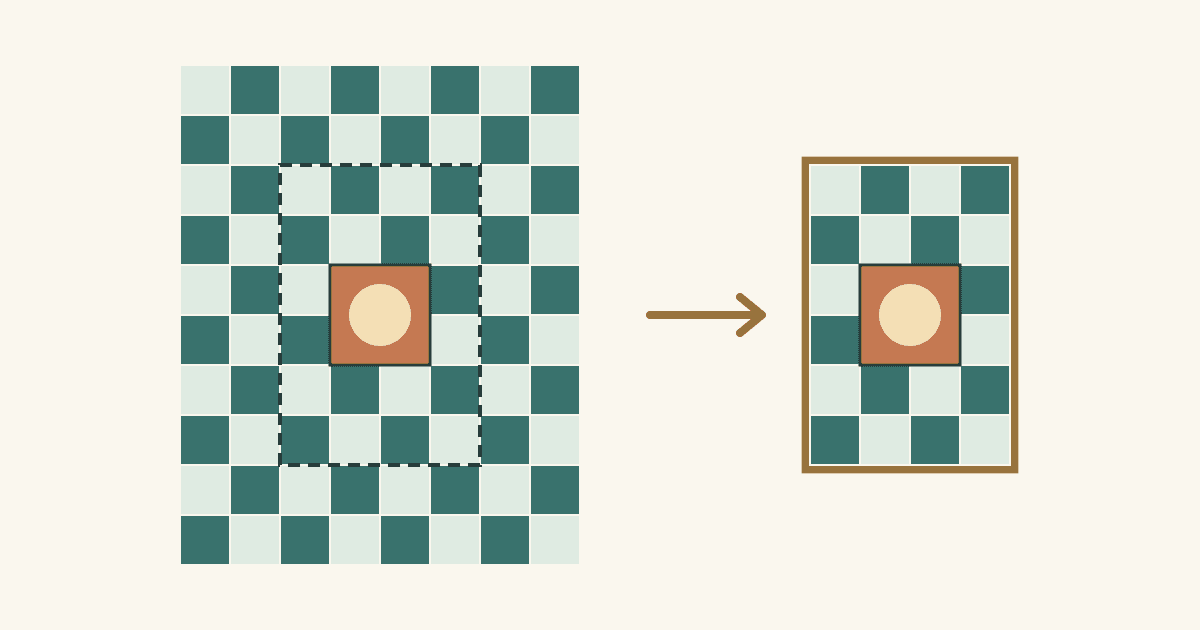
Drop whole rows and columns first. Here's how we'd shrink a 48 x 60-inch throw to a 26 x 38-inch wall quilt and keep its 12-inch center.
Planning a Bed Quilt That Fits Your Bed
Build a measured bed worksheet with unequal drops, pillow allowance, floor clearance and orientation checks before choosing a quilt pattern.