


How to Choose Longarm Quilting Designs
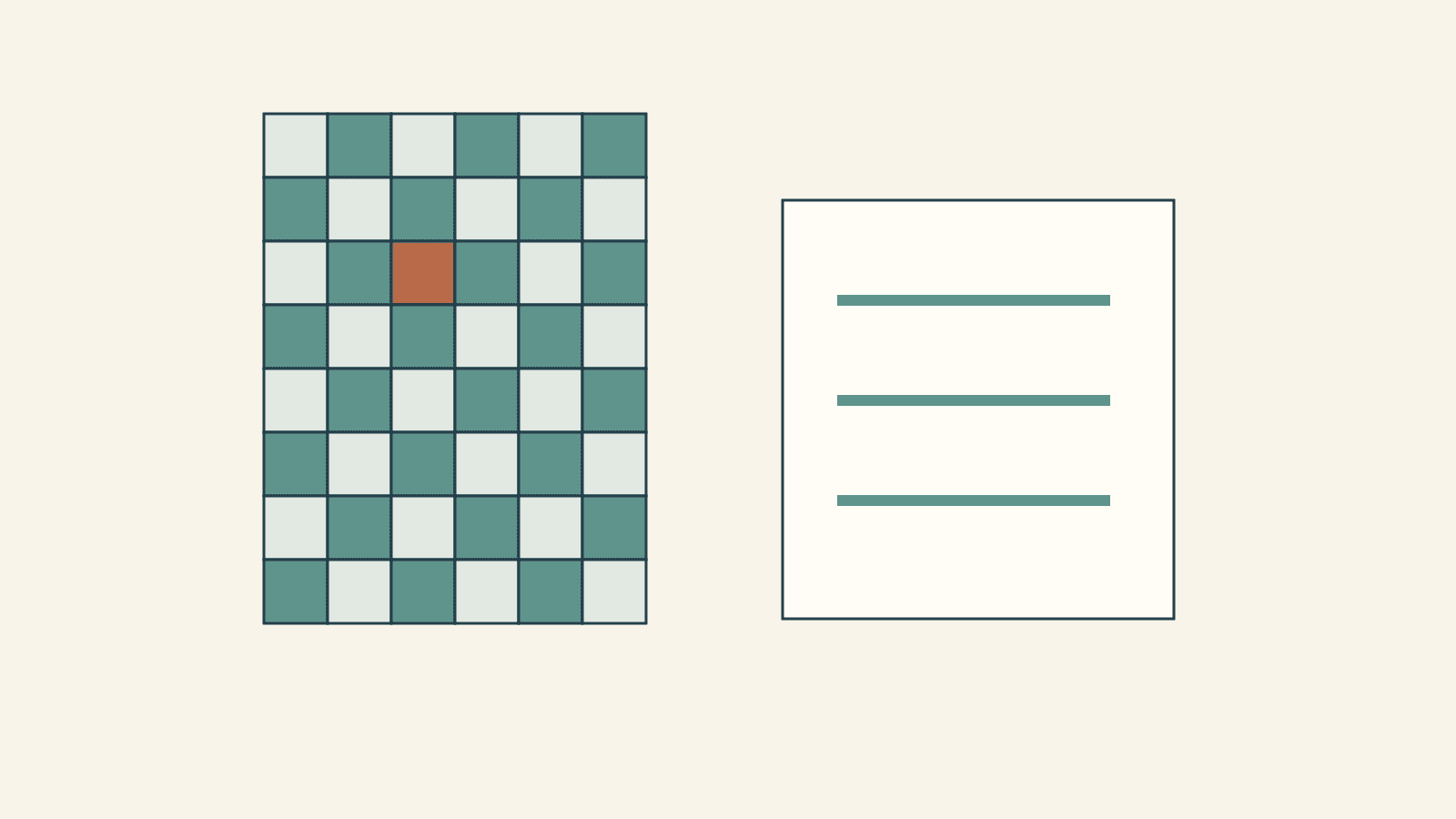
Choose a longarm quilting design by deciding what you want the quilt to feel like and what should stand out. Then discuss motif, scale, thread and placement with your quilter. A short written brief is more useful than a folder of attractive designs with no explanation of why you like them.
If you want an overall texture, start the conversation with an edge-to-edge option. If particular blocks or borders need their own treatment, explain that priority before choosing a stock repeat. The service can tell you which approach suits the top and the work you are requesting.
Start with purpose and feel
Write one sentence about the quilt's use and another about the desired appearance. For example: "This is a frequently used lap quilt. I want the patchwork to lead, with a relaxed-looking texture."
Joy's Life's guide to choosing a longarm design begins with purpose and desired feel. It explains the general tradeoff between denser, firmer quilting and more open, flexible quilting. That gives you useful words for a consultation, rather than an exact spacing to demand from a photograph.
The actual materials still matter. Your batting's requirements and the service's assessment set limits on the quilting plan. Keep the proposed feel in the brief, and ask the quilter how to achieve it within those limits. Our batting-distance article explains why a design preference and a material's maximum unquilted distance are different questions.
Decide whether the design should cross the piecing
An edge-to-edge repeat creates a continuous texture across the top. Custom placement can treat areas differently, depending on the service and agreed scope.
GEasy Longarm's design page describes its edge-to-edge patterns flowing across piecing and borders. It asks clients to name shortlisted designs on their intake information and discuss density during consultation. That is a concrete example of turning a preference into a discussion with the actual provider.
Look at your patchwork before choosing a motif. Are there large quiet spaces, many small seams, directional pictures or a strong center? Identify what you want a viewer to notice first.
If a pictured face or focal block matters, point to it. Ask whether the proposed repeat will cross it and how visible that crossing is likely to be. A highlighted zone is a request for discussion; leaving an area unsupported may conflict with the material's quilting requirements.
Shortlist motifs by the job they do
Choose a small number of options from the quilter's available catalog. Note the exact design names and what attracts you: curved movement, geometric repetition, open space or a motif that relates to the patchwork.
Ask to compare the scale of the repeat with your blocks. A motif that looks small on a screen could appear quite different across a large block. Rather than assigning an arbitrary size, ask the quilter what scaling is available and how it affects the result.
Keep motif density separate from machine stitch length. How much of the surface a design covers is not the same setting as how many stitches make a line. Your brief needs to communicate the texture you want; the quilter chooses suitable machine settings for the agreed work.
You can provide a reference link to explain a preference. Credit its creator, describe what you mean, and ask about an available option with that quality. A reference photograph does not give permission to reproduce someone else's commercial design.
Audition thread on the actual fabrics
Decide whether you want the quilting to blend with the patchwork or become a visible drawing across it. Check both the palest and darkest areas rather than choosing thread against only the dominant fabric.
Julia Graves's thread guide at APQS considers color, value, finish and thickness. She suggests pooling about a yard of thread over different fabrics to audition its appearance. Ask your quilter about an actual thread sample or audition from their available choices.
Put the preference in plain language: "Please favor blending through the pale background; show me where the same thread will contrast on the dark blocks." That is easier to discuss than a color name that may mean something different in two thread ranges.
If the back also matters visually, say so. Ask the service how its top and bobbin thread choices work together. Do not assume any requested combination is available or appropriate.
Work a brief from one simple layout
Our drawn example has six columns and eight rows of 9-inch finished blocks. Its finished design is 54 by 72 inches. With nominal quarter-inch joins and outside allowances, the raw-edge top would be 54 1/2 by 72 1/2 inches. Measure the actual top separately for the service.
One rust block marks a focal area in the diagram. It is simply a way to point out the design priority; we have not sewn or commissioned this example.
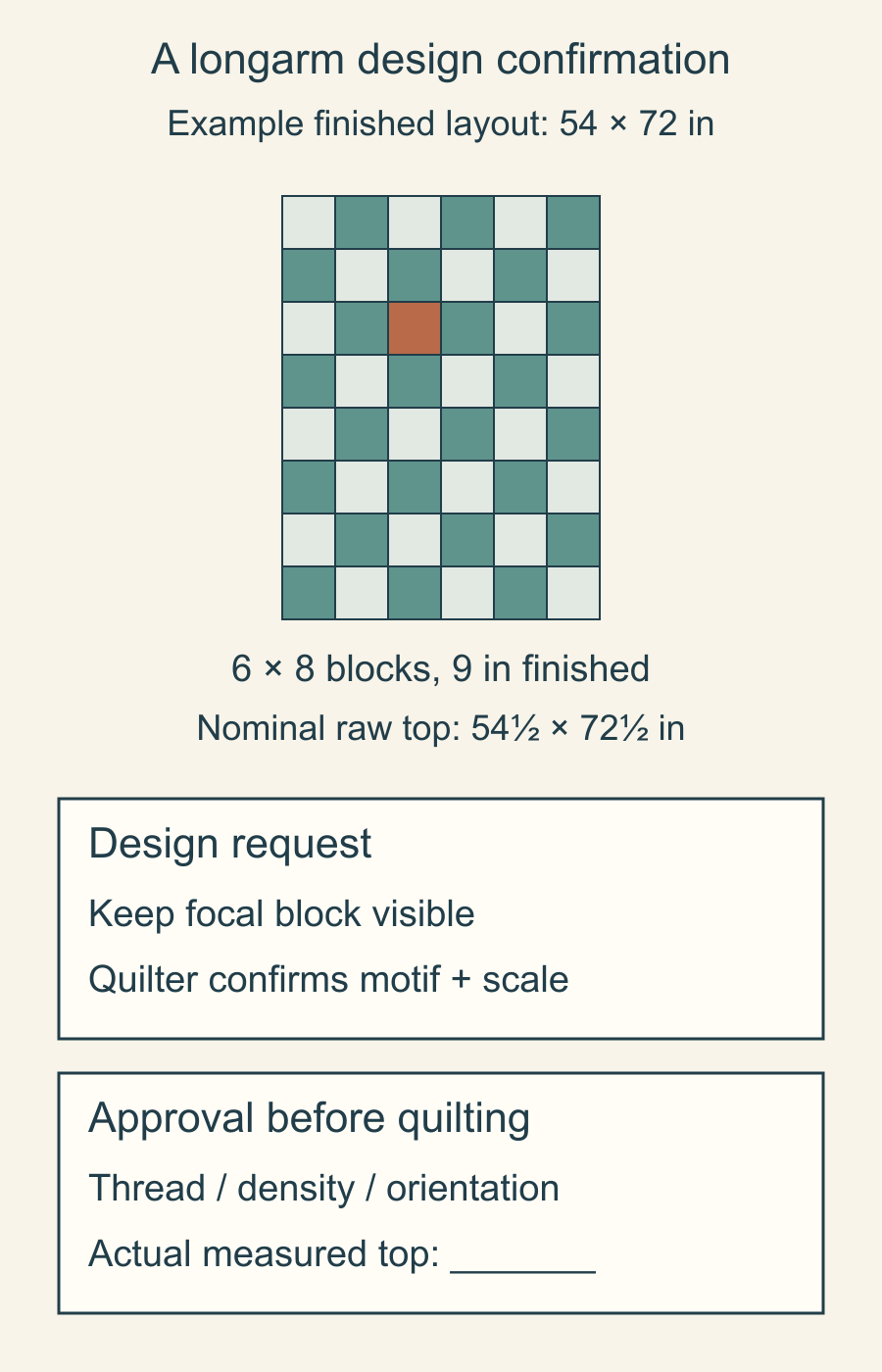
Here is a possible preference-to-confirmation sheet for that layout:
| Decision | Maker's request | Quilter confirms |
|---|---|---|
| Main emphasis | Patchwork remains easy to read | Suitable motif and placement approach |
| Texture | Flexible-feeling everyday quilt | Feasible density with these materials |
| Thread | Blend through the pale areas | Actual thread choice and contrast elsewhere |
| Direction | Top edge marked on the reference | Loading and design orientation |
| Focal block | Discuss crossings over rust block | What the chosen service can provide |
Leave the confirmation column blank until the conversation happens. Add the actual measured top size, relevant reference links and the agreed design name. Keep that final record with the project.
Confirm the work before handing over the layers
Ask the service to confirm the motif, scale or density discussion, thread, orientation and any special placement. Include the estimated scope and timing you have actually agreed on. If a choice is still open, label it as a question.
Cindy Roth's dated Longarm University consultation checklist is useful for its questions about vision, designs, thread and communication. Use the current provider's answers for availability, estimates and scheduling.
Physical preparation is a separate handoff. Our longarm preparation guide covers that checklist; your service supplies its actual layer and overhang requirements.
Choose one preferred overall effect and two available motif candidates now. Write why you like them, identify your important area, and ask the quilter to complete the confirmation column. That is enough to begin a productive design conversation.
Plan your next quilt
Lay out blocks and try colors in QuiltLab's grid editor before you cut.
Free forever, no card needed.
Get quilting tips by email
QuiltLab updates, tips and quilting inspiration. Unsubscribe anytime.
Related posts
Quilt Fabric Show-Through: What Should You Check?
Find out which layer is changing your pale quilt top with a repeatable comparison of seams, batting and backing.
How to Choose Quilt Batting Loft for the Texture You Want
Compare flatter and puffier batting with a four-sample plan that keeps fabric and thread steady while you change quilting density.
Fabric Grain Explained: Which Way Should You Cut?
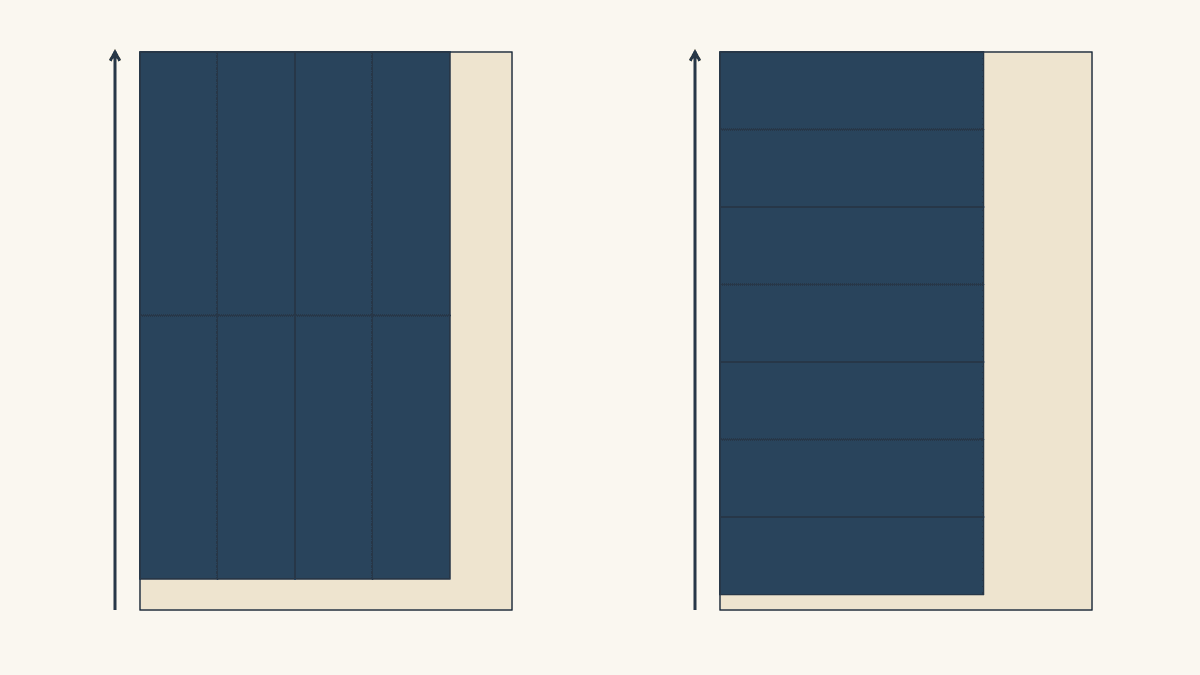
Mark lengthwise, crosswise and bias edges before cutting. Compare two rectangle layouts and see how turning a triangle moves its bias edges.