


How to Wash a Quilt for the First Time
To wash a quilt for the first time, start with the care directions for its actual fabric, batting and thread, then choose a method they all allow. Check the finished seams and binding before washing, and inspect it promptly after the wash and again when fully dry. Don't assume that every cotton quilt can use the same wash cycle and dryer setting.
For the new everyday quilt in our example, the known materials point to a cool, delicate wash with mild detergent and flat natural drying. That choice comes from the specific batting directions below. It is a worked care plan, not a report of a quilt we washed.
Decide whether this is an everyday-care question
This article concerns a newly made, sound patchwork quilt with known materials. An old, fragile, damaged or historically important quilt needs a different assessment. The International Quilt Museum's care and conservation guidance explains the risks around cleaning valuable textiles and the role of a textile conservator.
For a new quilt, find the material details you kept during construction. Our quilt materials record shows how to collect them. If an important ingredient is unknown, resolve it with the maker or supplier before treating a guessed care method as safe.
Also revisit any colorfastness concerns. Our fabric bleeding test guide belongs before this wash plan; a catcher sheet or a clear-looking wash isn't proof that every fabric is colorfast.
Work from one resolved set of materials
Imagine a newly finished everyday quilt whose top, backing and binding use Spoonflower Petal Signature Cotton, whose batting is Quilters Select Perfect Cotton, and whose piecing and quilting thread is ordinary Gütermann Sew-all. The batting has not been prewashed. There are no added trims, fusibles, paints or specialty fibers in this example.
The material names matter. A different batting or another Spoonflower fabric base would require another check.
| Known input | Current source direction relevant here | Effect on the plan |
|---|---|---|
| Petal Signature Cotton | Cool machine wash; fabric permits low tumble drying | Cool water fits; fabric permission alone doesn't choose the quilt's drying method |
| Select Perfect Cotton batting | Finished quilt: delicate, cool water, mild detergent; lay flat to dry naturally | Sets the example's gentle wash and flat drying |
| Ordinary Sew-all thread | Manufacturer care symbols permit washing and tumble drying | Doesn't require a harsher cycle than the other materials allow |
Spoonflower's care page lists its fabrics separately. Quilters Select's Perfect Cotton product directions distinguish loose batting from a completed quilt: the finished-quilt directions are the ones used here. Gütermann's Sew-all page links the official care information for that thread.
The thread's tolerance doesn't tell you to use hotter water, and the fabric's tumble-dry allowance doesn't override the batting's flat-dry instruction. Choose a compatible process for the assembled quilt and check the labels you actually have.
Inspect the finished quilt before adding water
Spread the quilt where you can see the front, back and edges. Look for an opening in the binding, an unsecured seam, loose thread tails that need attention, or an area left unquilted beyond the batting's allowed distance. Resolve those construction questions before washing.
Remove pins and other temporary items. Check that any removable marking has a treatment compatible with the whole quilt. If its removal directions conflict with the planned care, ask its maker before proceeding.
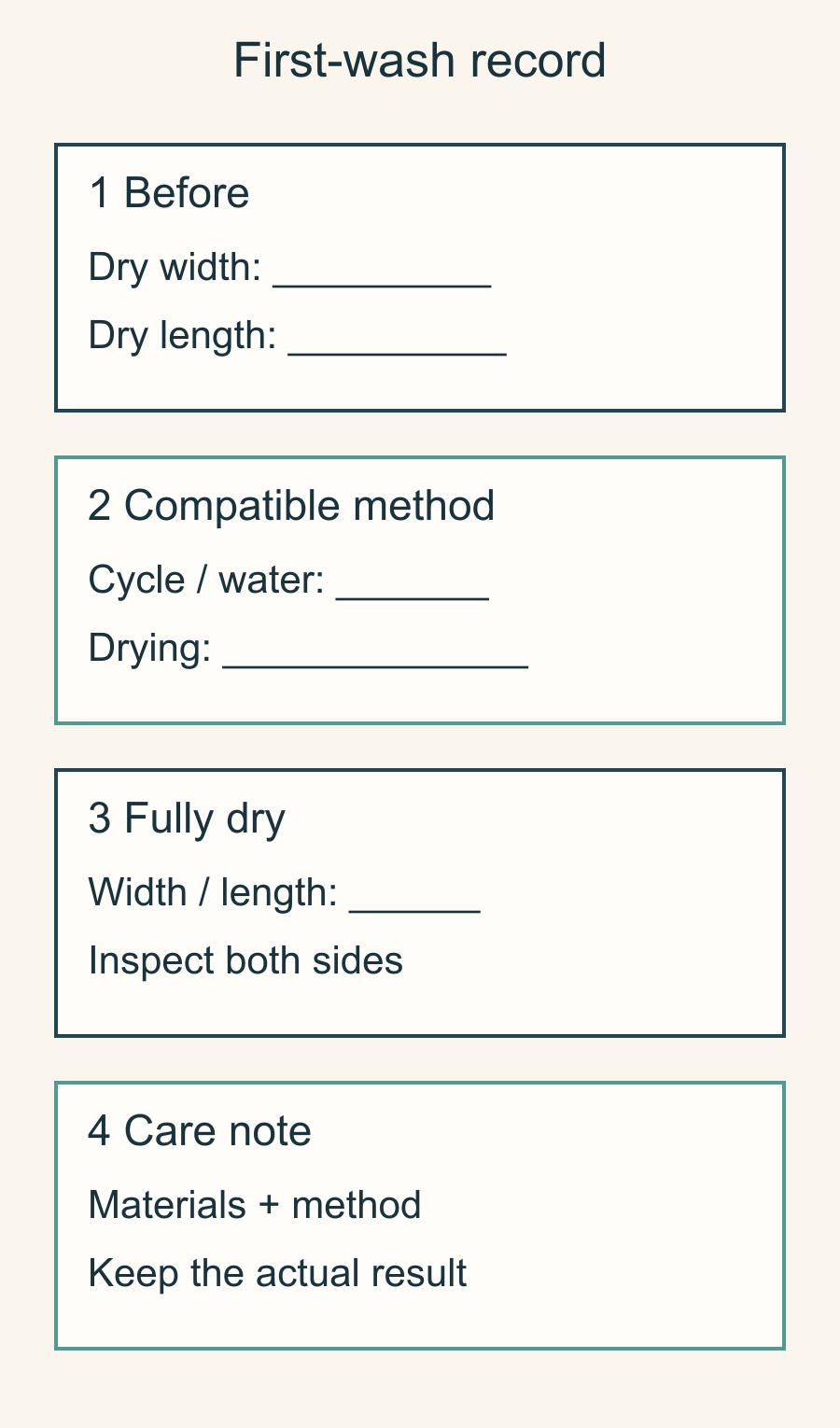
Take a photograph and record the quilt's dry width and length in consistent places. For example, measure through the center in both directions, with the quilt resting flat rather than stretched. These are your own starting measurements, not the size printed on a pattern.
Prepare the drying space before the wash
The example's flat-dry direction requires enough clean, supported space for the wet quilt. Arrange that space first. Follow the batting maker's directions and support the quilt as you transfer it; don't plan to hang a heavy wet quilt from a small section of binding.
Check your washer's instructions and capacity too. If the complete quilt cannot move as required by the chosen care method, the machine at hand isn't the right way to carry out this plan. Ask an appropriate cleaner or the material supplier about a compatible alternative.
Write the chosen cycle, water temperature, detergent and drying method on a short card before starting. Keeping that card beside the project makes it harder to slip into the machine's usual hot or tumble-dry routine.
Run the chosen method and check after drying
For this resolved example, use the compatible cool, delicate wash and mild detergent, then lay the quilt flat to dry naturally as the batting maker directs. Follow the equipment instructions and the exact product labels; this article supplies no detergent dose or universal machine setting.
Remove the quilt promptly when the cycle ends, supporting its wet weight. Check for dye transfer or other problems before drying it. Shannon Fraser includes this prompt removal and inspection in her first-wash walkthrough. If a problem appears, pause and seek material-specific advice before applying another treatment.
Once the quilt is completely dry, inspect both sides, the seams and the binding again. Look at color boundaries and areas where markings were removed. Photograph anything that needs follow-up before putting the quilt away or handing it over.
Measure in the same places and manner as before. A damp or stretched measurement isn't comparable to your relaxed dry starting measurement.
Here is an arithmetic example for reading a completed record: if a quilt measured 50 inches wide before washing and 48.5 inches after fully drying, the width loss is 1.5 inches. Divide 1.5 by 50 and multiply by 100: 3% width change. Those are hypothetical numbers, not a shrinkage prediction for the named materials. Calculate length separately from its own two measurements.
Turn observations into a useful care note
Keep the detailed wash record for yourself. Give the recipient a short note describing the quilt and the compatible method. For this example, after confirming it fits the actual labels and construction, the note could read:
New patchwork quilt with Petal Signature Cotton, Select Perfect Cotton batting and Sew-all thread. Wash on a delicate cycle in cool water with mild detergent. Lay flat to dry naturally. Please contact the maker before using another cleaning method.
Add the maker's name and finish date using your usual quilt label. If the first wash revealed a problem, fix or explain it before the quilt leaves your care. A clear record of the materials, method and actual dry result gives the next person more help than the single word "washable."
Related posts

Joining Quilt Binding Ends: Overlap by the Strip Width
Overlap the two binding tails by the cut width of your strip, then sew them on a 45-degree diagonal. Here's why that works, with a 12-inch worked example.
How to Read a Foundation Paper Piecing Pattern: Which Line Is Which?
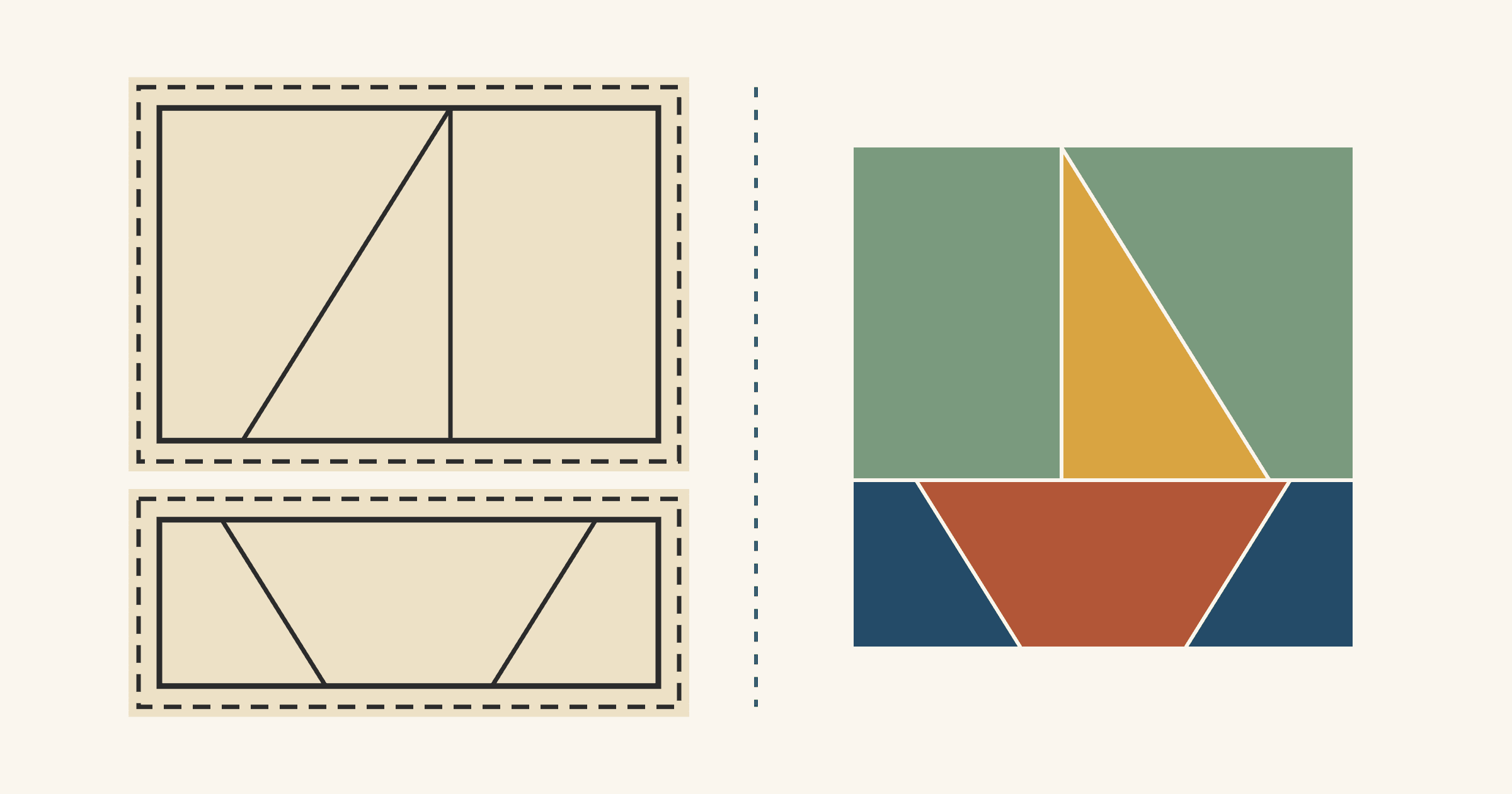
Numbers set the sewing order, the lines inside a section are where you stitch, and the outer pair of lines marks the finished edge and the trim line.

Block of the Month Quilt Planning When Blocks Are Still a Mystery
Separate known blocks from unreleased instructions, reserve fabrics by role, and keep the layout flexible until the program supplies the missing details.