How to Display a Quilt with Light and Support in Mind

For a sound quilt you want on the wall, a sewn hanging sleeve with a supported rod can spread its weight across the top edge. Horizontal display provides another option when space allows. First check the quilt's condition, then choose a spot away from strong light, damp and heat; a fragile textile needs a more protective support plan.
For a first decision, compare the available locations before buying hardware. The best-looking wall may put the quilt beside a bright window or ask weak fabric to carry too much weight.
Decide whether the quilt can support the display
Lay the quilt on a suitable supported surface and note visible weaknesses, loose areas, heavy embellishments and previous repairs. Use the material and care record if one exists.
The George Washington University Museum and The Textile Museum's display guidance ties the method to the textile's size, weight and condition. A method that suits a strong fabric may be unsuitable for a fragile silk or a heavily embellished piece.
If the quilt is fragile, important or of uncertain condition, seek textile-conservation advice before hanging or changing it. The support plan should follow the object rather than forcing every quilt into a familiar wall-sleeve arrangement.
Keep any unknown material or condition question visible in the notes. A family description such as "old cotton quilt" doesn't establish every fiber or the strength of each seam.
Compare the light at possible locations
Watch how the room changes through the day. Direct sun may reach a wall only briefly, while another location receives bright reflected light for much longer.
The Canadian Conservation Institute's basic quilt-care guidance describes sleeve-and-rod support and horizontal display, alongside the stresses of hanging. Its light section explains that damage is cumulative and irreversible.
Don't choose a location from its appearance during one evening visit. Check the actual daylight pattern, the lamps used nearby and how long the quilt would remain exposed.
Keep windows, glare and planned lighting changes in the record. If curtains or shades are part of the plan, the useful question is whether they will actually be used consistently.
Work a room-location comparison
Our drawn room study marks three candidate positions. A is away from the window and heat source; B is beside the window; C is close to the heat source. It illustrates the questions to check, not a measured room or an installation plan.
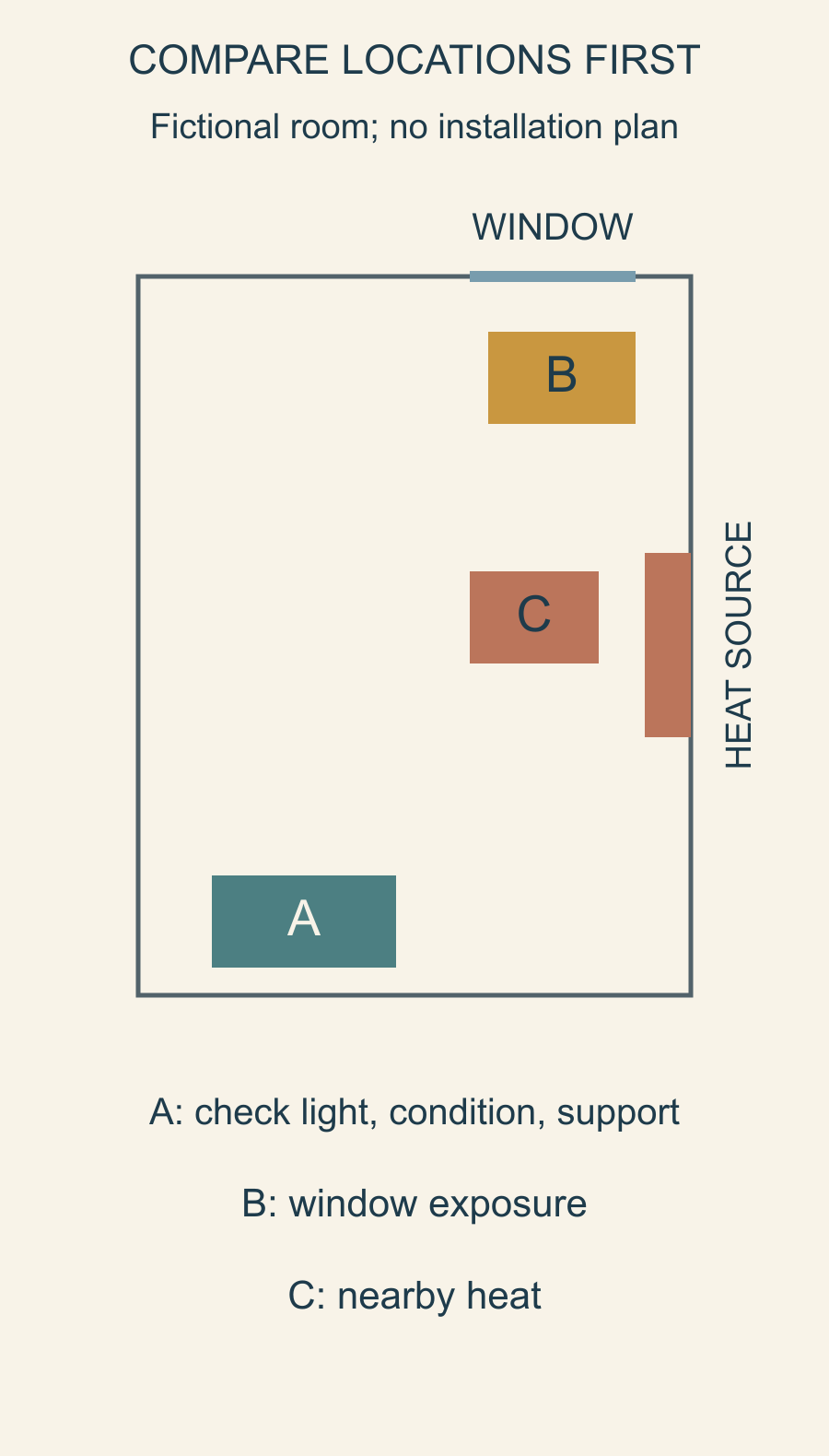
We would investigate A first. That means checking its actual light, wall conditions and support options, rather than declaring it safe from the drawing.
B raises a clear light question. C raises a heat question. The CCI guidance also cautions about damp or fluctuating exterior-wall conditions, so identify which walls and environmental conditions you actually have.
If none of the locations suits the quilt, consider another way to enjoy it, such as a shorter supported display or a photograph while the textile is stored appropriately. A display plan can conclude that this particular object should spend less time on the wall.
Record exposure time without inventing a safe limit
Light level and duration both matter. A simple ledger helps you see how a schedule changes the exposure, while keeping the actual textile's sensitivity an open question.
For arithmetic only, imagine a constant 50 lux over 60 days. At six hours a day, that is:
50 times 6 times 60 = 18,000 lux-hours.
At three hours a day, the same hypothetical level gives:
50 times 3 times 60 = 9,000 lux-hours.
Halving the hours halves that calculated exposure. It doesn't establish that either schedule is safe or that the actual damage would be halved. Real lighting varies, and textiles differ in their response.
Penny Ritchie Calder's museum textile-care advice discusses limiting light and turning it off outside display hours. Use the principle of reducing unnecessary exposure without turning a museum recommendation into a universal household guarantee.
Choose support after the condition check
Start with how the quilt's weight will be carried, including heavy areas and weak edges. A few clips or corners concentrate the load differently from a sleeve running across the top.
| Display candidate | Support to consider | Check before choosing it |
|---|---|---|
| Sound quilt on a wall | Sewn sleeve with a supported rod | Condition of the quilt, sleeve and attachment area |
| Supported horizontal display | A surface supporting the textile | No fragile section hanging over an edge |
| Weak, fragile or heavily embellished textile | A mount or support assessed for that object | Conservation advice before adding stitches or hanging it |
CCI describes a sleeve as one way to distribute a hanging quilt's weight. GWU's guidance also discusses overall support mounts for textiles that cannot safely hang from one edge. Choose between those approaches by the textile's condition and support needs.
Choose the support method with the actual textile in front of you. Installation hardware, fasteners and their safe load depend on the real wall, mounting arrangement and quilt; this article doesn't specify them.
Plan time off display too
The Textile Museum's care guidance recommends managing damaging exposure and alternating display with appropriate storage. A rotation is useful only if the quilt has a supported place to go afterward.
Our quilt-storage planning article covers footprint, padded folds and a condition record between uses. Choose the storage arrangement before the display period ends, so the quilt doesn't move from the wall into an overcrowded box.
Use a schedule that fits the textile and your circumstances. Check sooner after a suspected leak, unusual heat or a change in condition rather than waiting for a reminder date.
Keep a brief display record
Record the location, support method, start and removal dates, lighting routine and actual condition observations. A dated photograph can help you compare a specific area later, but it doesn't by itself measure fading accurately.
Link the record to the material information you can confirm. Separate observed changes from guesses about their cause.
Choose two possible locations now and inspect their light and nearby heat or damp. Then assess the quilt and the support it needs before committing to one. The useful display choice is the one your actual textile and room can support.
Free patterns to try
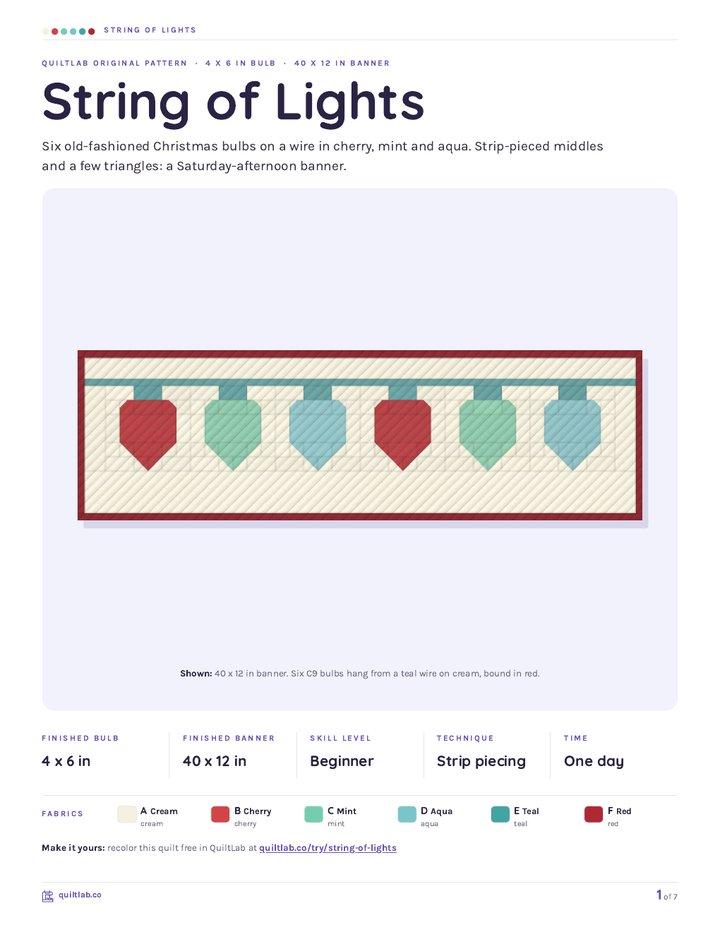
Printable PDF patterns with cutting charts and diagrams, free to download.


Plan your next quilt
Lay out blocks and try colors in QuiltLab's grid editor before you cut.
Free forever, no card needed.
Get quilting tips by email
QuiltLab updates, tips and quilting inspiration. Unsubscribe anytime.
Related posts

When Is an Improv Quilt Finished?
Stop changing a composition when it answers your current design question. A before-and-after study helps separate necessary fixes from new ideas.
Build an Abstract Quilt Design from Three Shapes
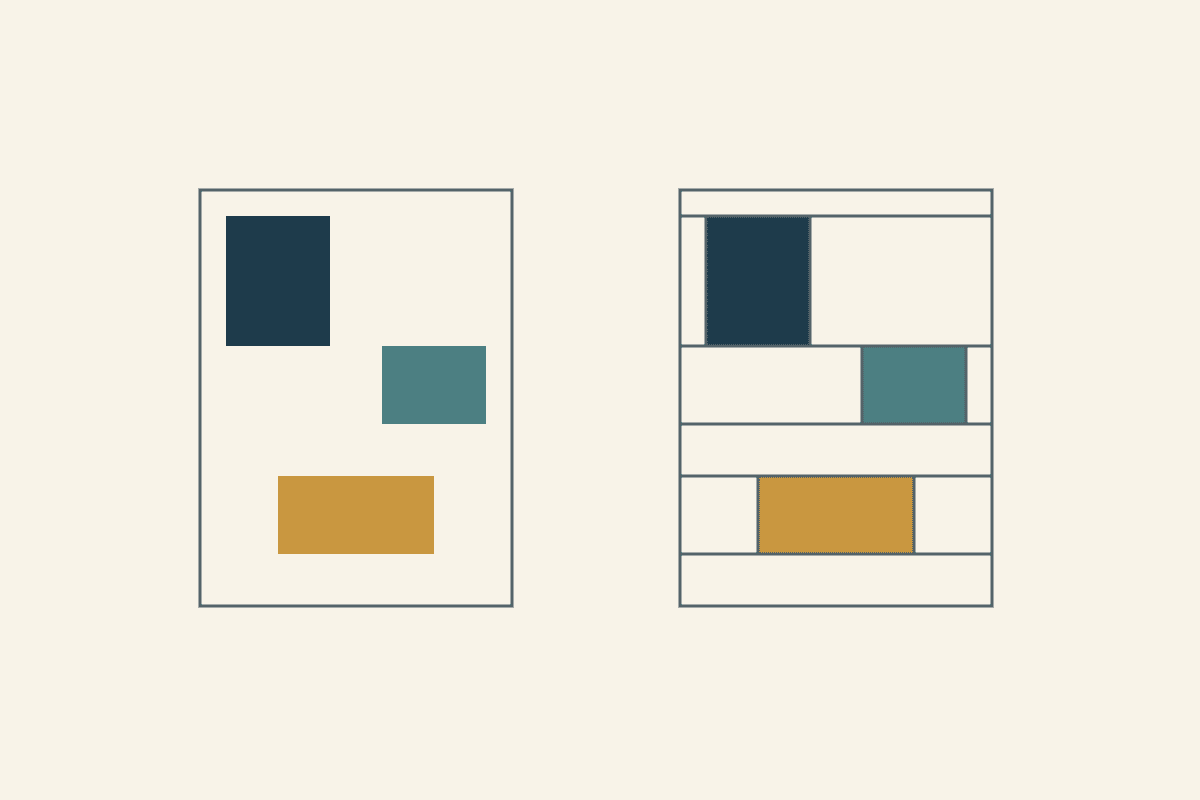
Turn a sketch you own into a clear patchwork plan. Three colored rectangles show how to preserve a composition while extending a few straight seams.
Start a Damaged Quilt Assessment Before Repair
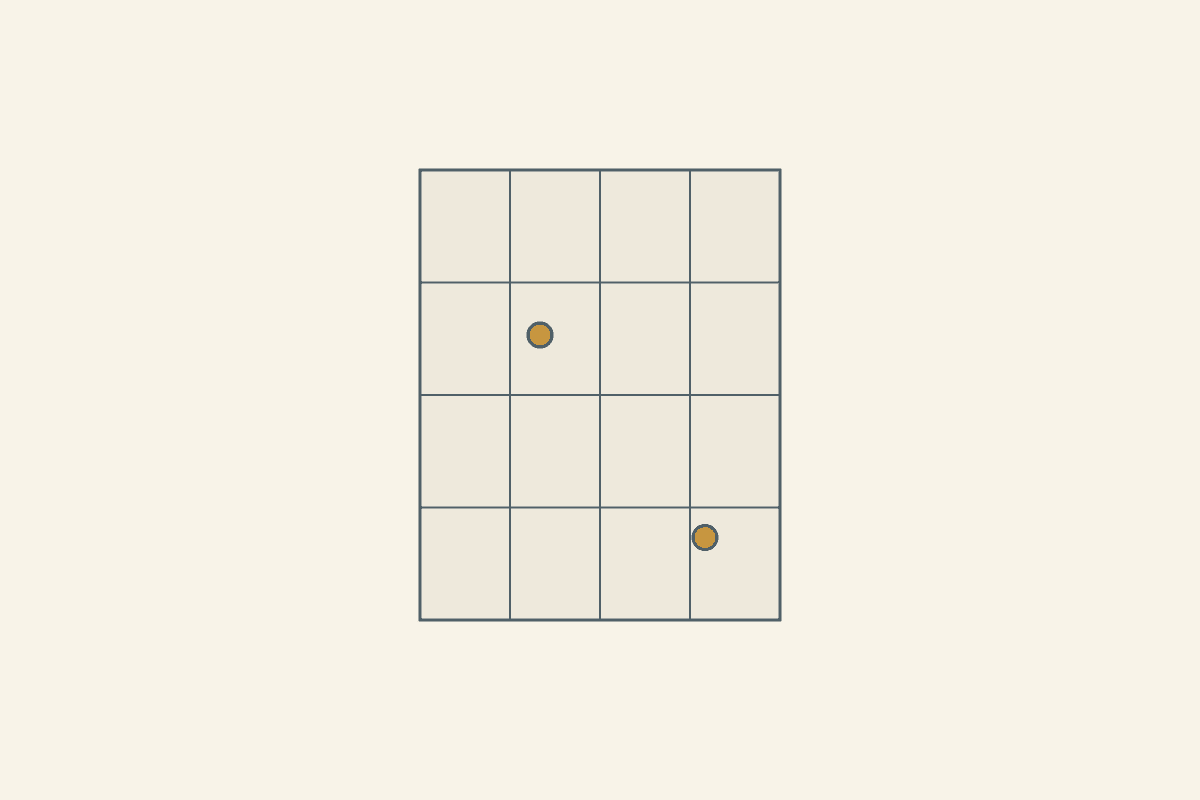
Record what you see, what you were told and what remains unknown before changing a damaged quilt. A simple condition map organizes the questions.